Usuba
Usuba

Tarama
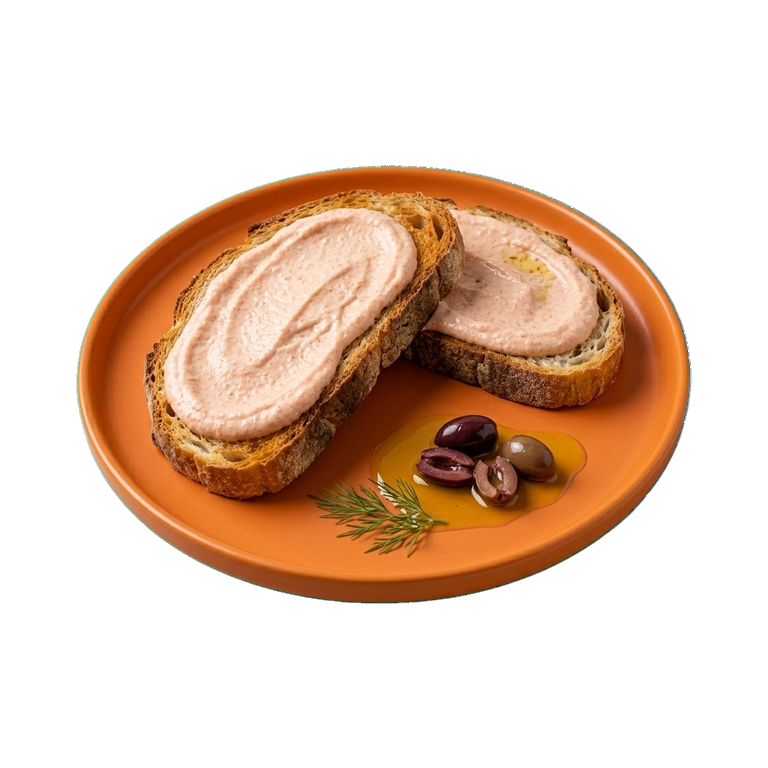
Mullet roe, salted and dried, with a firm texture and salty taste with a slight bitterness. Used as the base for preparing taramosalata — a creamy appetizer made by mixing roe with bread, oil, and lemon juice. When selecting, pay attention to the uniform color and density of the roe, and store it in a cool place in an airtight container.
About
Tarama is the roe of fish from the cod family, which is salted and often mixed with bread, butter, and lemon juice. In Mediterranean cuisine, it is valued for its rich, salty flavor and creamy texture, which is achieved through proper processing. The product requires minimal preparation but delivers maximum flavor — which is why tarama has become the foundation for an entire class of appetizers and pastes.
Taste and Texture
Tarama has a pronounced salty taste with a slight bitterness and fish aroma. The roe grains are small, dense, and slightly crisp when pressed. The color varies from light yellow to orange depending on the type of fish and processing method. When tarama is mixed with oil and bread, it becomes a paste with the consistency of cream cheese — delicate, but with character.
How to use in the kitchen
The classic way is to turn tarama into taramosalata paste: mix the roe with soaked white bread, olive oil, and lemon juice until smooth. Serve as an appetizer with bread, vegetables, or crackers. But tarama is also excellent on its own — a small amount on a slice of bread with butter is already a complete appetizer.
- Taramosalata paste — main method of use
- Filling for pancakes or pies together with butter
- Topping for groats or polenta
- Component of cold soups and side dishes
- Standalone appetizer on bread with butter and fresh herbs
Pairings and Harmonies
Tarama works well with acidity — lemon, vinegar, and white wine reveal its saltiness and make the flavor brighter. Olive oil softens the sharpness and adds roundness. Fresh vegetables — tomatoes, cucumbers, radishes — contrast with the dense texture of the roe. Herbs — dill, parsley, mint — refresh the dish. Bread, especially with a crispy crust, serves as the perfect vehicle for the taste.
Selection and Storage
When purchasing, pay attention to the color — it should be uniform, without darkening or spots. The smell should be oceanic, but not sharp or musty. The caviar should be dense, with grains that are not smudged. Tarama is sold in glass or tin cans; make sure the packaging is not damaged.
- Keep the closed jar in the refrigerator for up to 2–3 months
- After opening, transfer to a glass container and use within a week
- Can be frozen in small portions for up to 3 months
- Before using, let the tarama warm up to room temperature for 15–20 minutes
Tarama is not just caviar, but a ready-made ingredient that doesn't require complex preparation. A few spoonfuls with good bread and butter, and you already have an appetizer that looks like it's from a restaurant, yet takes only a minute to prepare.
Nutrition
per 100 g
- Calories
- 370 kcal
- Protein
- 11 g
- Fat
- 35 g
- Carbs
- 2 g
Measures and weight
- 1 tbsp
- 15 g
- 1 tsp
- 5 g
- 1 cup
- 250 g
Measure calculator
- Weight
- 100 g
- Calories
- 370 kcal