Usuba
Usuba
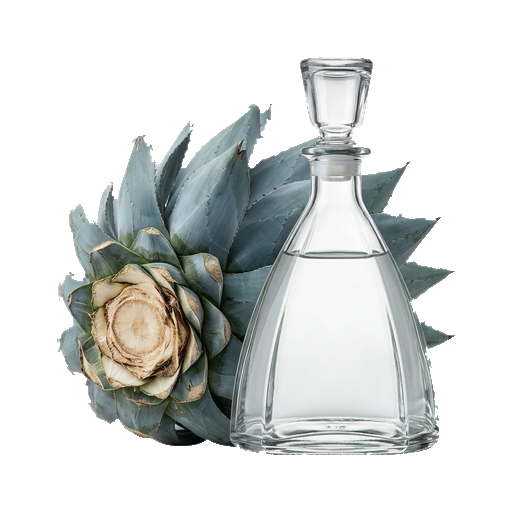
Tequila
A strong spirit distilled from blue agave juice, characterized by a sharp and slightly herbal flavor with citrus notes. In cooking, it is used in cocktails, marinades for meat and seafood, as well as in sauces and desserts to add depth and complexity. When selecting, pay attention to the aging period — silver tequila is fresher and sharper, while golden tequila has a more rounded flavor thanks to aging in oak barrels.
About
What is tequila and why is it used in cooking
Tequila is a strong spirit with a bold character that has long ceased to be merely a festive drink. In the kitchen, it works as an active ingredient: adding depth to sauces, marinades, and cocktail bases, lending sharpness to desserts, and revealing new dimensions in meat and fish dishes. Its sharp, slightly herbaceous profile contrasts well with sweet, spicy, and sour flavors, which is why chefs readily use it to balance taste.
Taste and Aroma
Tequila has a recognizable sharp, slightly burning taste with herbal and floral notes. Young tequila (blanco) is more harsh and straightforward, with a piquant finish. Aged in oak (reposado or anejo) it becomes smoother, acquiring vanilla and oak undertones, losing its aggressiveness. The aroma is always recognizable: herbal, with mineral nuances and a light sweetness.
Role in Dishes and Drinks
- Marinades for meat and fish: tequila softens fibers and adds piquancy, especially good with lime and garlic
- Sauces and glazes: creates a sharp, slightly sweet base for meat dishes and side dishes
- Cocktails: a classic ingredient, but also works in unexpected combinations with herbs, spices and berries
- Desserts: a few drops in chocolate mousse or caramel add adult piquancy and complexity
- Deglazing the pan: after searing meat, tequila evaporates quickly, leaving concentrated flavor and helping to collect all the tasty bits from the bottom
Successful Pairings
Tequila works well with acidity: lime, lemon, and vinegar enhance its herbal notes and soften its burn. Hot spices (chili pepper, cayenne pepper) and tequila complement each other, creating a multi-layered heat. With sweetness (honey, agave, brown sugar), an interesting contrast emerges. Herbs — cilantro, basil, mint — reveal mineral notes. Garlic and ginger enhance its piquancy.
Selection and Storage
For cooking, young tequila (blanco) is suitable — it's cheaper and its bright flavor doesn't get lost in dishes. If you're looking for smoothness and depth, try reposado, but remember: aged tequila is more expensive, and its subtle notes can be lost in a hot sauce. Pay attention to the alcohol content: standard tequila contains 38–40% alcohol.
- Store in a cool dark place, away from direct sunlight
- After opening, the bottle keeps for months without any change in taste thanks to its high alcohol content
- Seal tightly to prevent alcohol from evaporating
- Use an open bottle within a year for maximum quality
Practical Tips
Start small: 1–2 tablespoons of tequila per serving of marinade or sauce. Its flavor is intense, and it's easy to overdo it. When heated, the alcohol evaporates, but the sharpness remains, so add acidity (lime, vinegar) for balance.
If you're cooking for those who don't like strong spirits, mix tequila with orange juice or agave syrup — this will soften the taste while preserving its character. In desserts, use aged tequila: it's smoother and won't overpower the sweetness.
Nutrition
per 100 ml
- Calories
- 231 kcal
- Protein
- 0 g
- Fat
- 0 g
- Carbs
- 0 g
Measures and weight
- 1 tbsp
- 14 g
- 1 tsp
- 4.7 g
- 1 cup
- 232.5 g
Measure calculator
- Weight
- 100 g
- Calories
- 248 kcal