Usuba
Usuba
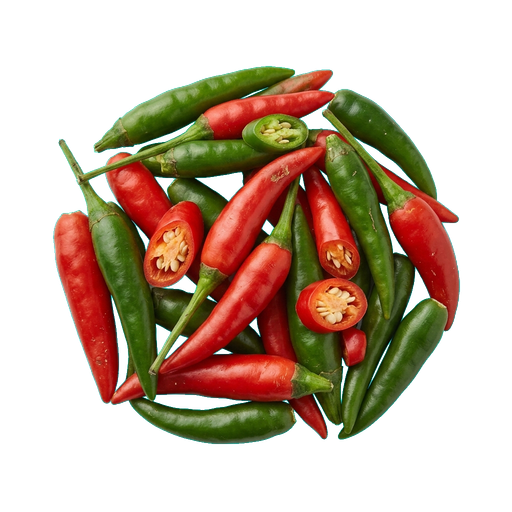
Thai bird's eye chili
A small thin-walled chili pepper with sharp piquancy and fruity notes in flavor, originating from Southeast Asia. Used in Thai, Vietnamese, and Indonesian cuisine for preparing pastes, sauces, and spicy dishes, giving them a characteristic fiery taste with floral aroma. When selecting, prefer firm peppers of rich red or green color, and when substituting, keep in mind that this variety is significantly hotter than European peppers, therefore requires a smaller quantity.
About
Small but formidable pepper with a distinctive shape — this is not just a hot spice, but a real tool for adding depth and heat to a dish. Its compact size is deceptive: just a few pods can completely transform a dish's flavor profile, adding not only spiciness, but also floral and fruity notes that unfold when used correctly.
Aroma and Spice
This pepper is not just hot — it's multilayered. The first bite brings a bright, piercing heat that quickly spreads across your tongue. But if you take your time, you can catch delicate fruity and slightly floral notes hidden beneath the burn. The aroma is fresh, herbaceous, with a hint of sweetness.
How to use in the kitchen
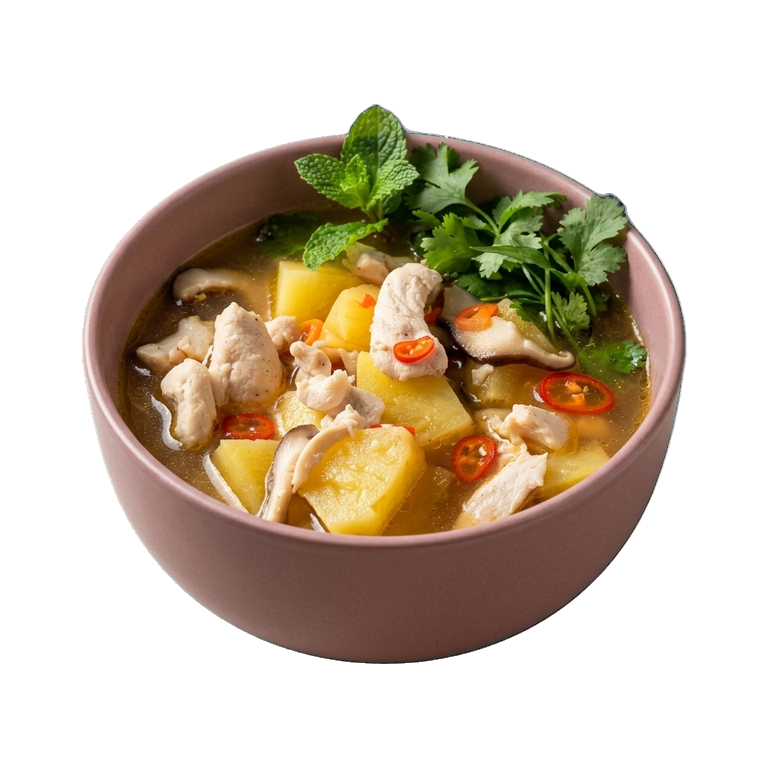
Fresh peppers work best in dishes where you need a vibrant heat and aroma. Add sliced pods to curries in the final minutes of cooking, place whole peppers in soups and broths to release heat gradually, or use in salads for a contrasting bite. For pastes and sauces, it's better to grind the pepper in a mortar or blender — this way the heat will be distributed evenly.
Dried bird's eye chili is a concentrated version. It stores longer, but requires more respect for dosing. Soak it in hot water before use or add directly to hot oil to release its full aroma. This type of pepper is ideal for oils, vinegars, and marinades that need to last.
Combinations with other ingredients
- Coconut milk and lemongrass — a classic combination for curries and soups
- Fish and seafood — spiciness highlights freshness and tenderness
- Garlic and ginger — enhance spiciness and add depth
- Lime and fish sauce — create a classic balance of sour, spicy and salty
- Peanuts and sesame — soften the spiciness, adding creaminess
Selection and Storage
Fresh peppers should be firm with smooth skin and no soft spots. The color varies from green to red as they ripen — both options are good, but red peppers are sweeter. Store them in the refrigerator in a paper bag for up to two weeks or freeze whole in a container for several months.
Keep dried peppers in a tightly closed jar in a dark, cool place — this way it will retain its sharpness and aroma for up to a year. Before using, check the smell: it should be bright and fresh, without mustiness.
Start with half a pod per serving and add more to taste. Remember: spiciness builds gradually, and it often seems milder after a few minutes. It's better to under-season with heat than to overdo it.
Nutrition
per 100 g
- Calories
- 40 kcal
- Protein
- 1.9 g
- Fat
- 0.4 g
- Carbs
- 7.3 g
Measures and weight
- 1 tbsp
- 3 g
- 1 tsp
- 1 g
- 1 cup
- 50 g
- 1 pcs
- 2 g
Measure calculator
- Weight
- 100 g
- Calories
- 40 kcal