Usuba
Usuba
Thin pancakes
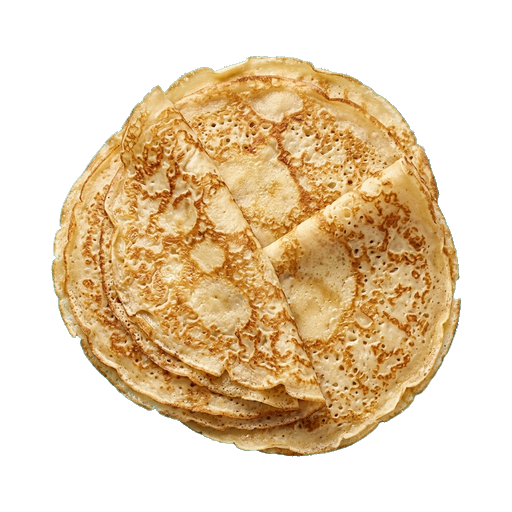
Thin pancakes are delicate, thin flatbreads made from liquid batter, cooked on a heated skillet with oil. They serve as the base for many dishes: they are filled with meat, cottage cheese, berries, or caviar, rolled into a tube or folded into an envelope. When preparing them, it is important to maintain the correct batter consistency and skillet temperature so that the pancakes turn out even and flip easily, and also to oil them regularly so they don't stick together.
About
Thin pancakes are not just breakfast, but a universal canvas for culinary creativity. They are thinner than American pancakes, yet denser than French crêpes, and it is this golden mean that makes them an ideal compromise for any cuisine. When you cook thin pancakes, you get a delicate, slightly elastic base that works equally well with both sweet and savory fillings.
Texture and taste
The main charm of thin pancakes lies in their texture: they melt on your tongue, yet hold their shape and don't tear when folded. The taste is delicate, milky, with a barely noticeable sweetness — even if you didn't add sugar to the batter. A thin golden crust forms on the surface, while the inside remains soft. This is achieved through the correct ratio of liquid to flour and a short cooking time on a well-heated skillet.
How to use in dishes
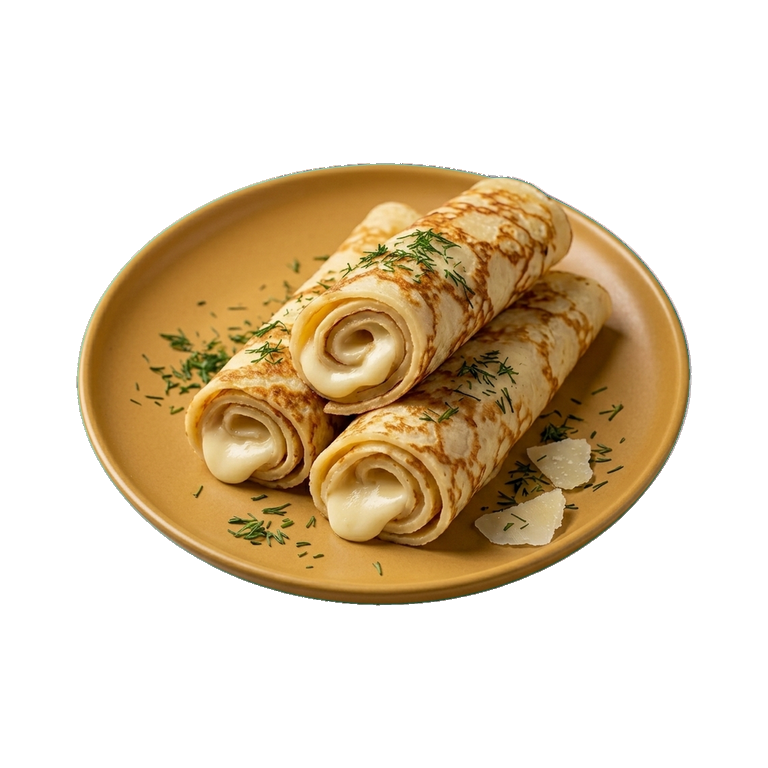
Thin pancakes truly shine with sweet fillings. They are perfect for jam, condensed milk, cottage cheese with berries, chocolate, or butter with honey. Thanks to their thinness, they don't overload the filling but complement it. You can roll them into tubes, fold them into triangles, or fold them like envelopes — the shape holds perfectly.
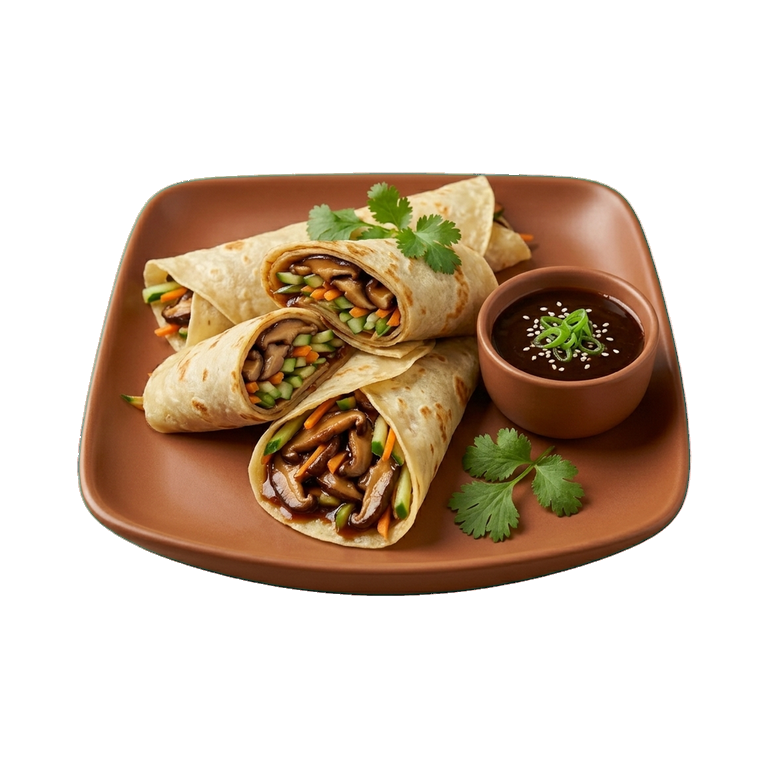
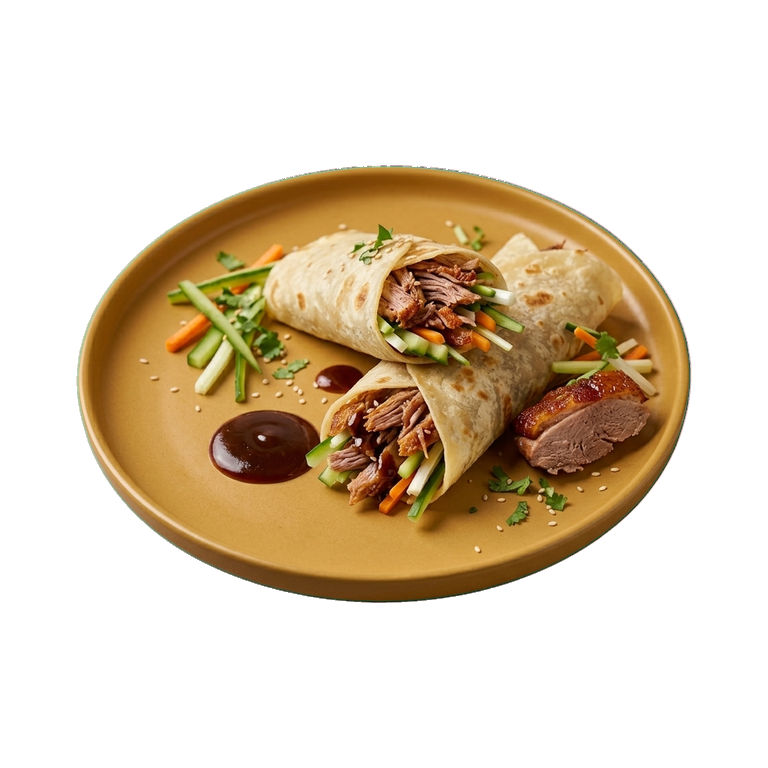
But don't forget about the savory side. Thin pancakes work great with fillings made from meat, mushrooms, cheese, herbs, or fish. They become the foundation of a dish, not just a sweet addition. Some prepare them with herbs or spices added directly to the batter to enhance the flavor.
Successful Combinations
- With sour cream, caviar and herbs — a classic option for a festive table
- With cottage cheese, berries and sugar — a simple and hearty breakfast
- With banana, Nutella and nuts — for those who love sweets
- With ground meat, onions and spices — a full meal for lunch
- With sausage, cheese and tomatoes — a quick snack
Selection and Storage
If you're making pancakes at home, pay attention to the batter consistency — it should be liquid, almost like milk, but not quite. It's better to use soft wheat flour without additives. If you're buying ready-made pancakes at the store, choose ones that are hermetically sealed and don't show signs of drying on the edges.
Fresh homemade pancakes are best eaten on the day they are made while they are still soft. If you need to store them, stack them with parchment paper between each layer and keep them in the refrigerator for up to three days. Before serving, you can warm them slightly in a pan or microwave. Finished pancakes with filling should be stored for less time — eat them within a day.
Thin pancakes are great because they don't require special skills, yet they make an impression. They are versatile, quick to prepare, and always come in handy when you need something delicious on the table. The key is not to worry too much about the amount of filling and to remember that the texture of the pancake itself is already part of the pleasure.
Nutrition
per 100 g
- Calories
- 200 kcal
- Protein
- 6 g
- Fat
- 8 g
- Carbs
- 25 g
Measures and weight
- 1 pcs
- 40 g
Measure calculator
- Weight
- 100 g
- Calories
- 200 kcal