Usuba
Usuba
Whole grain bun
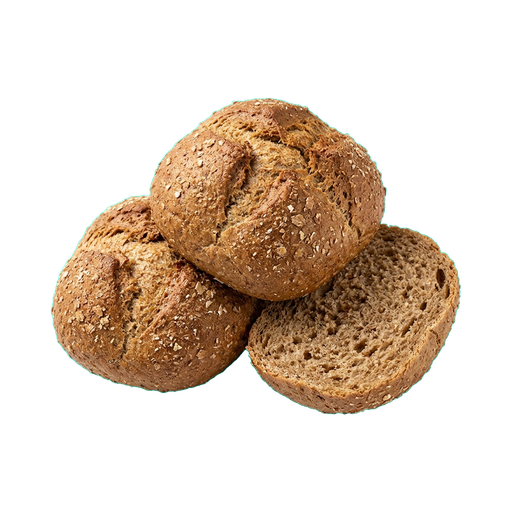
A dense bun made from whole grain flour with the preserved grain husk, which gives it a characteristic brownish color and nutty flavor. Such a bun contains more fiber and nutrients than products made from refined flour, but has a denser structure and less airy crumb. It is used for sandwiches, served at breakfast, or as a side, keeping in mind that it absorbs moisture well and can quickly become stale, so it is best stored in airtight packaging.
About
A whole grain bun is not just bread, but a full-fledged ingredient for culinary experiments. Unlike buns made from white flour, it preserves the entire grain: the bran, germ, and endosperm. This makes it denser, darker, and much more nutritious. If you're preparing something serious rather than just grabbing a quick snack, this bun will be an excellent foundation.
Taste and texture
The taste of a whole grain bun is nutty, slightly sweet, with a barely noticeable bitterness. The texture is dense, but not dry, if the bun is fresh. The crumb holds its shape better than white bread, so the bun doesn't fall apart when sliced or handled. This is important when you crumble it for breading or make crumbs for a dessert base.
If a bun is dried out, it becomes crispy on the outside and remains elastic inside. A fresh bun is softer, but it's easier to slice it evenly — this is convenient for sandwiches or for making croutons.
Where and how to use it
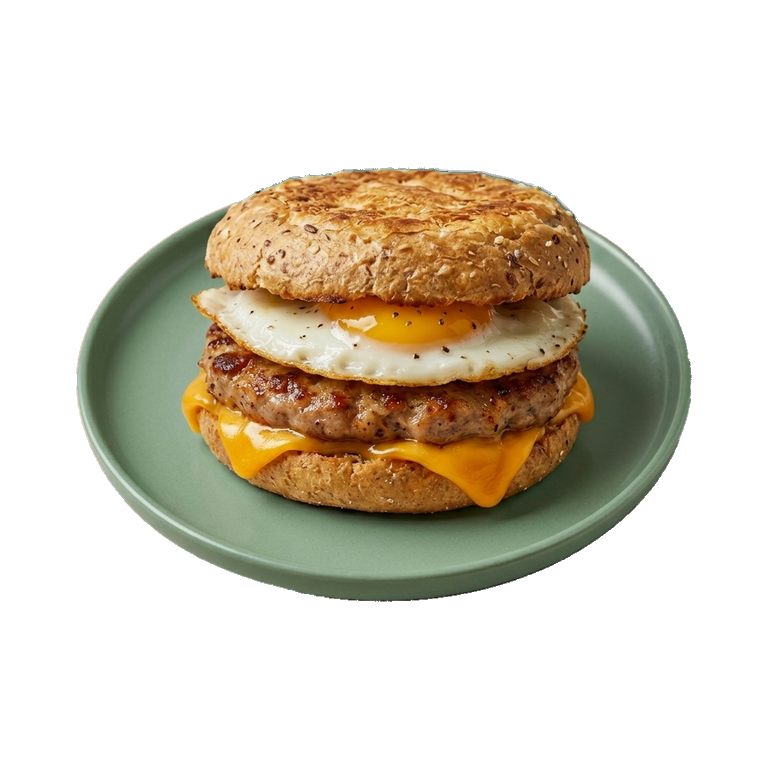
A whole grain bun is great as a base for hearty sandwiches — it holds fillings better than fluffy white bread. You can slice it in half and make a burger that won't fall apart on the first bite. Bun slices work perfectly as croutons for soups and salads: they absorb liquid but don't crumble.
A dried bun makes perfect breadcrumbs — finely chopped or grated. This breadcrumb coating gives the dish a more interesting, slightly nutty flavor. The crumbs can be used to top casseroles, as a base for sweet pies, or for making bread pudding — here the nutty note will be very welcome.
Combinations and Compatibility
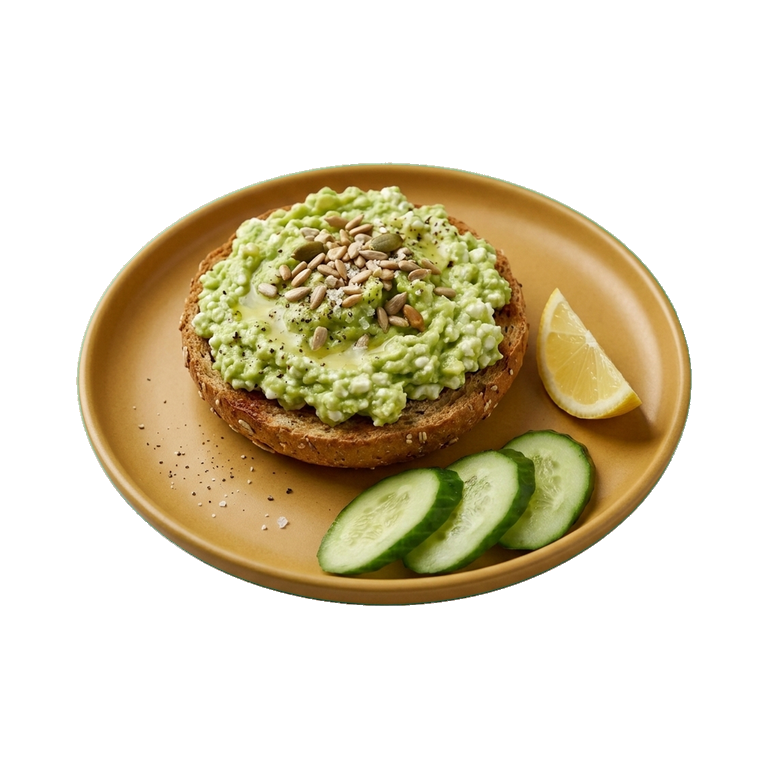
Whole grain rolls work well with oils, avocado, cream cheese, and pâté — their dense structure holds moist fillings. They stand up well next to sharp sauces, mustard, and hot peppers. The nutty notes of the roll complement the flavors of honey, jam, and nut butter.
- With smoked meat and bacon — hot smoking and the nutty flavor of the bun enhance each other
- With vegetables and herbs — the bun doesn't overpower freshness, but adds depth
- With cheese — especially good with aged varieties
- With egg — classic breakfast, the bun holds its shape when sliced
Selection and Storage
Choose buns with even color and without cracks. If you're going to use it within a few hours, a soft bun will work. If you need a bun for several days — it's better to choose one that's slightly denser, as it will stay fresh longer.
It's best to store a bun in a paper bag at room temperature — this way it will stay soft but won't get moldy. In plastic, the bun becomes stale faster. If the bun has dried out, you can lightly spray it with water and warm it in the oven for a few minutes — it will restore its softness. For long-term storage, dried slices can be frozen in a container for up to three months.
Nutrition
per 100 g
- Calories
- 250 kcal
- Protein
- 9 g
- Fat
- 4 g
- Carbs
- 45 g
Measures and weight
- 1 pcs
- 80 g
Measure calculator
- Weight
- 100 g
- Calories
- 250 kcal