Usuba
Usuba
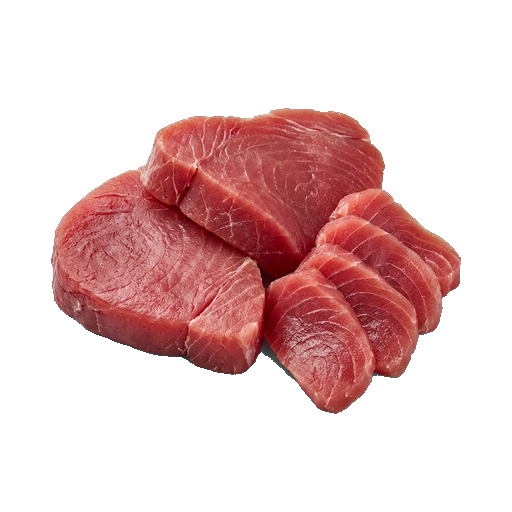
Tuna fillet
Tuna fillet is the meat of a large saltwater fish with a dense structure and a rich, slightly briny flavor. The meat has a dark red or pink color depending on the part of the fish and the tuna species, and is distinguished by high fat and protein content. Used in sushi, sashimi, steaks, salads, and other dishes where freshness and quality are important — when choosing, pay attention to uniform color without brown spots and characteristic ocean smell without ammonia notes.
About
Tuna fillet is one of the most versatile seafood products in the kitchen. Dense, tender meat with minimal bones makes it ideal for a variety of cooking techniques: from quick searing to slow braising. Tuna holds its shape during cooking, doesn't fall apart, and doesn't become watery if not overcooked. This is exactly why it is so often seen on the menus of both professional restaurants and home kitchens.
Taste, aroma and texture
The taste of tuna depends on its freshness and storage method. Fresh fillet has a subtle marine aroma, reminiscent of the ocean, but not sharp. The meat is firm, with a characteristic reddish or pinkish hue, which can be darker in some varieties and lighter in others. On the palate, you can detect a slight saltiness, delicate sweetness, and a light metallic note — this is normal and indicates product quality.
The texture of the fillet is dense and fibrous. When cooked properly, the meat remains juicy inside but not mushy. If you overcook tuna, it becomes dry and tough, so it's important to monitor the cooking time and not cook it completely during searing — it's enough to quickly seal the crust.
Where and how to use
- On the grill or pan: quick searing with minimal processing highlights the natural flavor
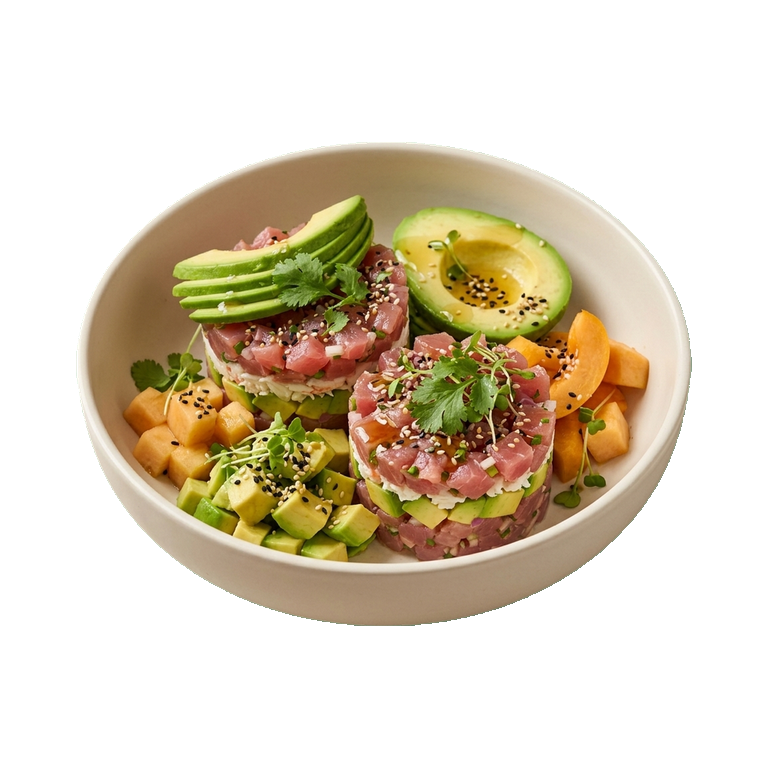
- Raw: for sushi, sashimi and carpaccio, select special fillet of the highest quality
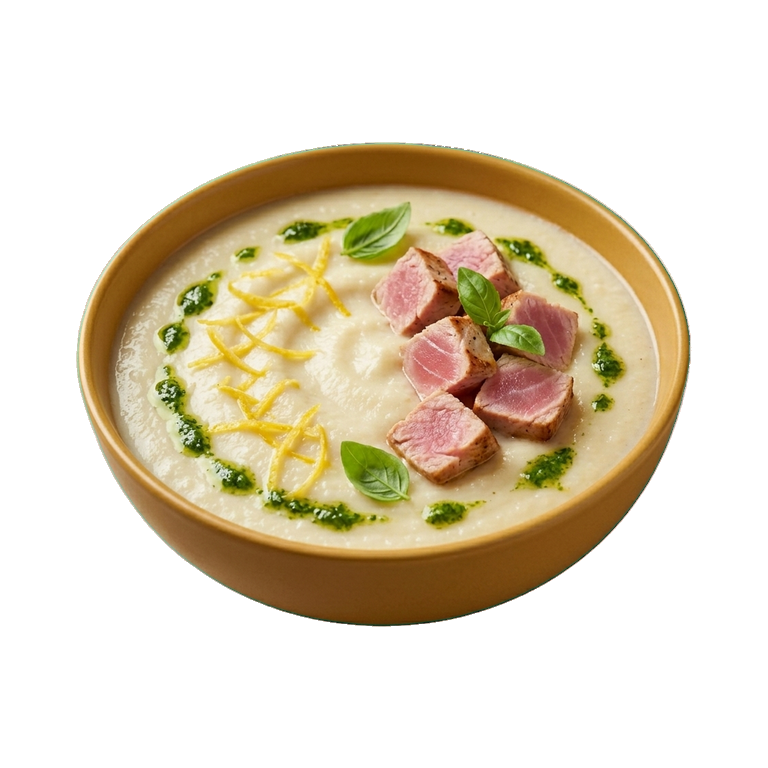
- In soups and broths: tuna imparts a deep flavor to the broth, while becoming more tender itself
- In salads: fillet is cut into pieces or flakes, combined with vegetables and light dressings
- Baked: with vegetables, creamy sauces or en papillote
- In pâtés and terrines: dense meat holds its shape well and creates a delicate texture
Perfect Combinations
Tuna works well with bright and fresh flavors. Lemon and lime highlight the fish's oceanic nature without overpowering it. Soy sauce, mirin, and wasabi are a classic trio for Asian approaches. Olive oil, garlic, and herbs (dill, parsley, basil) create a Mediterranean profile. Hot spices, ginger, and coconut milk contrast well with the meat's richness.
- Citrus: lemon, lime, orange
- Vegetables: avocado, cucumber, carrot, beet, tomatoes
- Sauces: soy, teriyaki, ponzu, lemon mayonnaise
- Spices: black pepper, sesame, nori, paprika
- Fats: extra virgin olive oil, butter, coconut milk
How to Choose and Store
When choosing tuna fillet, pay attention to the color: it should be bright, without gray or brown spots. The meat should not have a sharp ammonia smell or a rotten odor. The surface should be moist, but not slippery. If the fillet is sold in a vacuum package, check the integrity of the package and the production date.
Fresh tuna fillet is stored in the refrigerator for no more than two days at a temperature between 0 and 4 degrees. It is best to keep it on the coldest shelf, placing ice under the packaging. If you don't plan to cook it in the next few days, freeze the fillet at a temperature of minus 18 degrees or lower — it will keep for up to three months. Thaw slowly in the refrigerator, not at room temperature.
The Main Rule of Cooking
Tuna is better undercooked than overcooked. Even if a slightly pink center remains inside, this is normal and safe provided the product is fresh. The meat will continue to cook from residual heat after being removed from the pan.
For quick searing, heat a skillet or grill to a very high temperature. The fillet should be dry before cooking — pat it dry with paper towels. Sear for 1–2 minutes on each side, no more. Season generously with salt and pepper right before cooking. Let the cooked fillet rest for 2–3 minutes before serving — this allows the meat to distribute heat evenly and remain juicier.
Nutrition
per 100 g
- Calories
- 144 kcal
- Protein
- 29.9 g
- Fat
- 1.3 g
- Carbs
- 0 g
Measure calculator
- Weight
- 100 g
- Calories
- 144 kcal