Usuba
Usuba
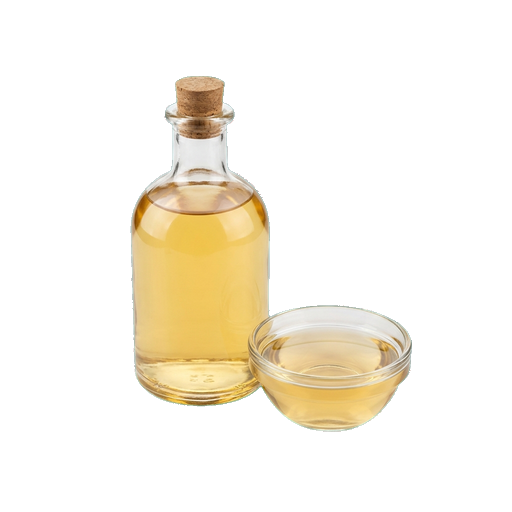
Champagne Vinegar
A delicate vinegar with a subtle fruity aroma and mild taste, made from sparkling wine. Used in salad dressings, sauces, and marinades where acidity is needed without the sharpness and aggression of regular vinegar. When choosing, pay attention to the acidity level — it is usually lower than wine vinegar, so slightly more is required to achieve the desired balance in a dish.
About
Champagne vinegar is a delicate culinary tool that does what ordinary vinegar cannot. It doesn't overpower a dish with sharp acidity, but instead adds depth and subtle elegance. When you open a bottle, you immediately sense: this is not just vinegar, but a reminder of the taste of sparkling wine with its fruity notes and mild acidity.
Taste and Aroma
The main difference from wine vinegar is its softness and elegance. The acidity here doesn't bite, but rather glides smoothly across the palate, leaving behind barely perceptible floral and fruity notes. The taste reminds you of what it was made from: there are hints of apple, pear, sometimes a light honey sweetness. This makes it ideal for dishes where vinegar should work in the background, not dominate.
Where to use it
Champagne vinegar is a reliable assistant in refined cuisine. It is added to light sauces for fish and seafood, where harsh vinegar would be out of place. A few drops will transform vinaigrette for a salad with delicate greens or grilled vegetables. It works well in marinades for delicate meats — chicken or veal. Even in a simple vegetable dressing, it gives the dish a restaurant-quality touch.
- Sauces for fish and seafood
- Light salad dressings
- Marinades for tender meat
- Deglazing the pan after searing
- Additive to emulsion sauces
Combinations and Proportions
Champagne vinegar works excellently with delicate ingredients: white fish, oysters, tender meat, and fresh herbs. Its mild flavor allows you to not worry about overdoing it — even if you add a bit more than planned, the dish won't become sour and unpleasant. In dressings, a ratio of 1 part vinegar to 3–4 parts oil is typically used. In marinades and sauces, the concentration can be higher, but it all depends on what effect you want to achieve.
Selection and Storage
When choosing, pay attention to acidity — it is usually 6–7 percent, which is lower than regular wine vinegar. The color should be light, golden, without cloudiness. Good champagne vinegar is transparent and has a noble appearance. It stores well in a cool, dark place, away from direct sunlight. A tightly sealed bottle will retain its properties for several years, although the taste may become sharper over time.
- Store in a dark cool place
- Avoid temperature fluctuations
- Keep away from heat and sun
- Tightly close the lid after use
Champagne vinegar is not a mandatory ingredient, but once you try it, you'll understand why professional chefs keep it in their kitchen. It transforms an ordinary salad into a refined dish, and a simple sauce into something worthy of the best restaurant. It's one of those ingredients that works quietly, but effectively.
Measures and weight
- 1 tbsp
- 15.2 g
- 1 tsp
- 5 g
- 1 cup
- 252.5 g
Measure calculator
- Weight
- 100 g