Usuba
Usuba
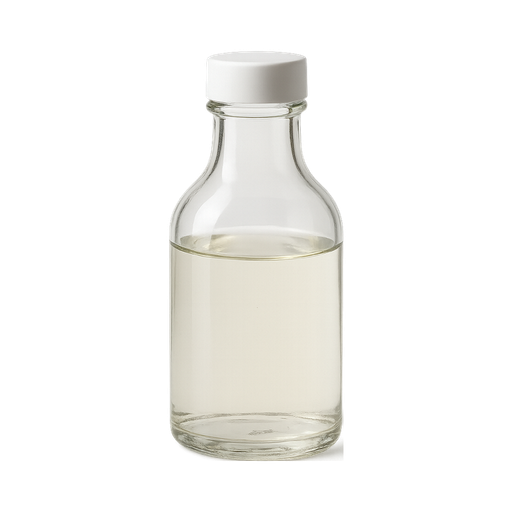
Table vinegar (9%)
Nine percent table vinegar is a mildly acidic liquid with a sharp, penetrating aroma and pungent taste that serves as a universal preservative and flavor enhancer in the kitchen. It is used for pickling vegetables and meat, preparing dressings, sauces and preserved dishes, as well as for neutralizing baking soda in baking. When choosing, it is important to check the concentration — 9% provides sufficient acidity for preservation, but when substituting a stronger vinegar, it should be diluted with water, and when using a weaker one, you may need to increase the amount.
About
Nine percent table vinegar is the workhorse of any kitchen. Not as aggressive as vinegar essence, and not as mild as wine or apple vinegar, it strikes the perfect balance. Its acidity is sufficient to handle most tasks: from marinating to salad dressing, from preserving to baking. It is a universal helper that can be found in the home of every cook.
Taste and Application
Distilled vinegar has a clean, straightforward acidity without bright fruity or floral notes. This means it doesn't hog the spotlight and doesn't compete with the flavor of the dish's main ingredients. Its purpose is to enhance, balance, and preserve.
- Marinades for meat, fish and vegetables — nine percent acidity is ideal for tenderizing fibers and adding piquancy
- Preservation and canning — stable acidity ensures safety and long storage
- Dressings and sauces — mixes with oil, mustard, herbs for classic vinaigrettes
- Baking — neutralizes baking soda, helps dough rise and become softer
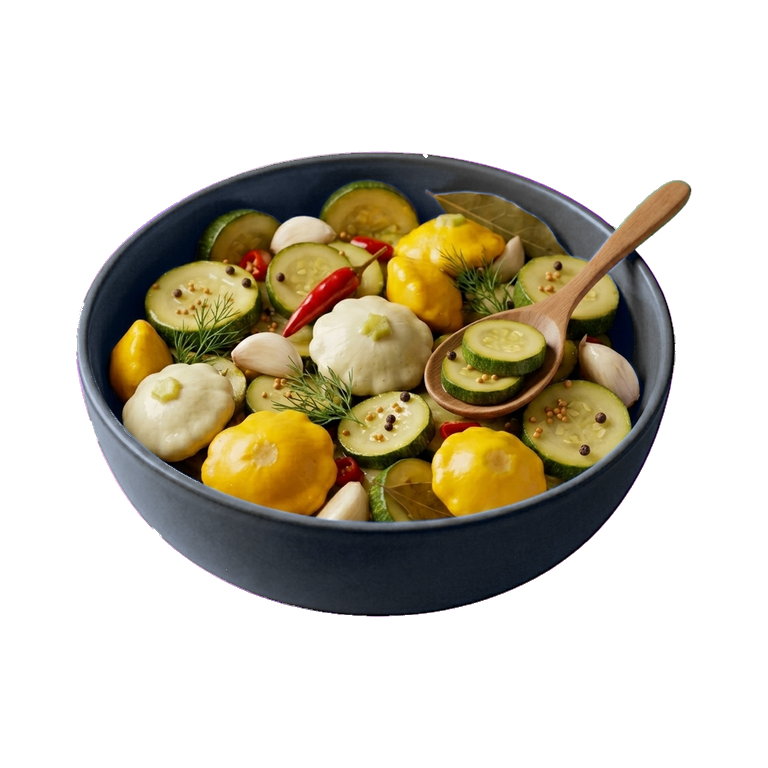
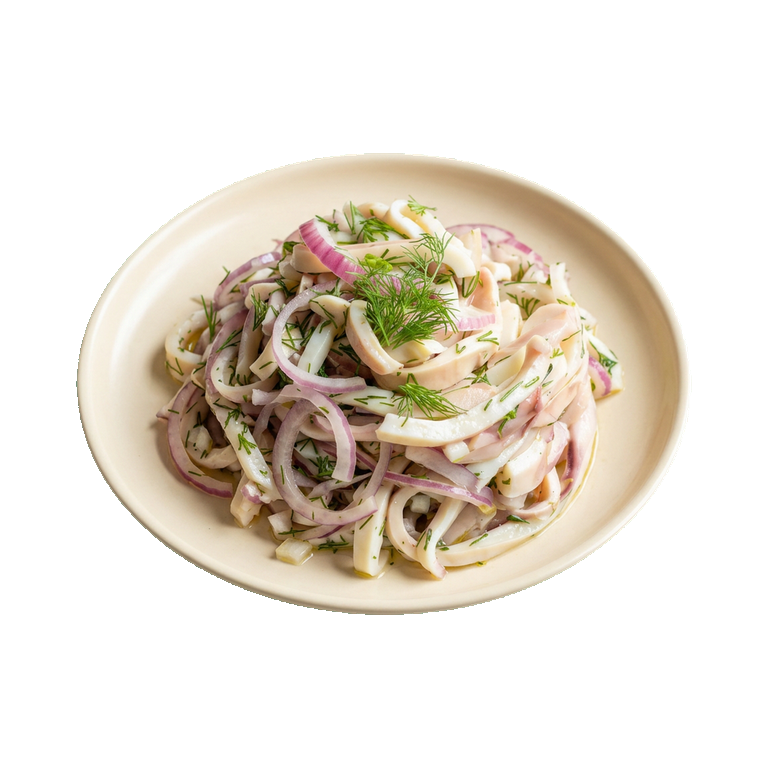
- Quick appetizers — pickled vegetables, onion rings, spicy tomatoes prepared in hours
What it works with
Table vinegar pairs well with simple and bold flavors. It enhances the sharpness of pepper, highlights the aroma of garlic and onion, and harmonizes with herbs like dill and parsley. In sweet dishes — compotes, jams, fruit marinades — it creates a pleasant contrast. Remember that a little vinegar at the end of cooking soup or stew often makes the dish brighter, even if you don't notice the acidity itself.
Selection and Storage
When purchasing, pay attention to the transparency of the liquid — it should be clear, without cloudiness or sediment. On the label, check specifically for nine percent acidity: this is the standard convenient for most recipes. If you come across vinegar with lower or higher acidity, you will need to recalculate the proportions in marinades and preservation.
Table vinegar is stored for practically forever. A sealed bottle will sit comfortably in a dark cabinet at room temperature for years. Even after opening, it doesn't spoil quickly, but it's better to keep it away from direct sunlight and cap it tightly to prevent the acid from evaporating. If sediment or cloudiness appears at the bottom — that's not a reason to throw it away, just filter it through cheesecloth or use it as is if that works for you.
Tip: always add vinegar at the end of cooking or just before serving. If boiled for a long time, it loses its sharpness and aroma. Exception — marinades, where vinegar should undergo full heat treatment for safety.
Nutrition
per 100 ml
- Calories
- 18 kcal
- Protein
- 0 g
- Fat
- 0 g
- Carbs
- 0.9 g
Measures and weight
- 1 tbsp
- 15.2 g
- 1 tsp
- 5 g
- 1 cup
- 252.5 g
Measure calculator
- Weight
- 100 g
- Calories
- 18 kcal