Usuba
Usuba
Vermouth
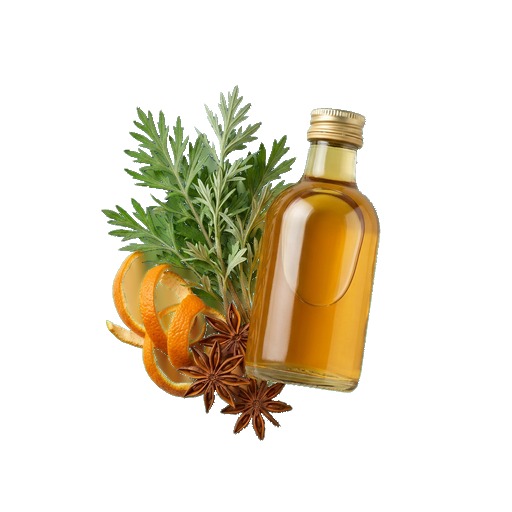
Fortified wine with a bitter taste and aroma of herbs, spices, and roots, used both in cocktails and as an aperitif. In cooking, vermouth is added to sauces, marinades, and fish dishes to impart depth and complexity to the flavor. When choosing, it's important to distinguish between dry vermouth for cooking and sweet vermouth for drinks, as they produce different results in dishes.
About
Vermouth is a fortified wine infused with herbs and spices. In cooking, it is valued not so much as a standalone beverage, but as an ingredient that adds depth and complexity to dishes. Its bitter, slightly herbal flavor works as a flavor enhancer, similar to the role of fish sauce or soy sauce in Asian cuisine.
Aroma and taste
There are two main types: dry vermouth with spicy, herbal notes and a slightly bitter finish, and sweet vermouth with a rounder taste and noticeable sweetness. The dry variety is more versatile in cooking — it doesn't darken the dish's flavor and works well in sauces, soups, and stewed dishes. Sweet vermouth is added to bolder combinations or desserts.
Role in dishes
Vermouth is added at the beginning of cooking — its alcohol evaporates, leaving behind a complex flavor profile. A few tablespoons in a sauce for fish or seafood brings unexpected elegance. In meat stews, it softens the heaviness and adds piquancy. Even a small amount in broth for soup makes it more expressive.
Pairings
- Fish and seafood — vermouth emphasizes their delicacy and maritime character
- Mushrooms — herbal notes of vermouth enhance the earthy flavor
- Poultry — adds sophistication to sauces without overpowering the meat
- Grilled vegetables — adds a bitter note that contrasts with the smoke
Selection and Storage
For cooking, choose a dry vermouth in the mid-price range — expensive collectible specimens will be lost in the dish, while very cheap ones often have a synthetic taste. Check the release date: vermouth oxidizes over time and loses its freshness. After opening, store in the refrigerator — fortified wine lasts longer than regular wine, but still not indefinitely. It's best to use an opened bottle within two to three months.
The main rule: vermouth is not the main ingredient, but a helper. Its task is to enrich the flavor, not to make itself known. Start small: one to two tablespoons per serving of sauce, and you will understand what amount works for your kitchen.
Nutrition
per 100 ml
- Calories
- 105 kcal
- Protein
- 0 g
- Fat
- 0 g
- Carbs
- 4 g
Measures and weight
- 1 tbsp
- 14.7 g
- 1 tsp
- 4.9 g
- 1 cup
- 245 g
Measure calculator
- Weight
- 100 g
- Calories
- 107 kcal