Usuba
Usuba
Wheat noodles
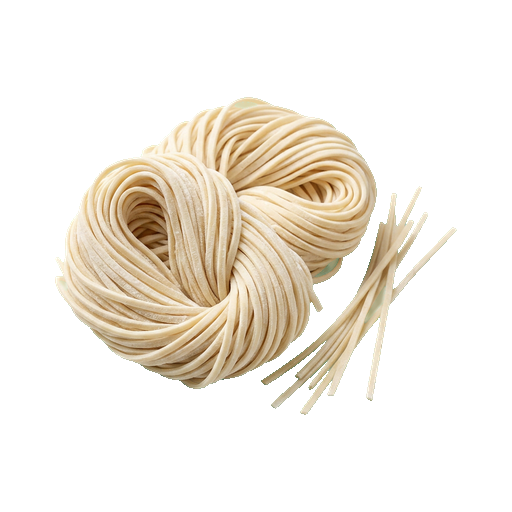
Wheat noodles are thin strips of dough made from wheat flour and water, with a neutral flavor and dense texture. They cook quickly, absorb sauces and broths well, making them ideal for Asian dishes, soups, and pasta side dishes. When choosing, pay attention to the color — quality noodles should be light yellow rather than white, and should have no cracks on the surface.
About
Wheat noodles are one of the most versatile pasta products in the kitchen. Thin strips of wheat dough cook in minutes and absorb sauce flavors like a sponge. They are the foundation for Asian dishes, but work equally well in European cuisine and homemade soups.
Taste and texture
Wheat noodles have a delicate, slightly sweet grain flavor. When cooked to al dente, they remain firm and don't fall apart when stirred. They are easy to overcook — even a minute longer, and the texture becomes soft and sticky. Thickness varies: thin noodles cook in 3–4 minutes, while thicker ones require 5–7 minutes.
Where to use
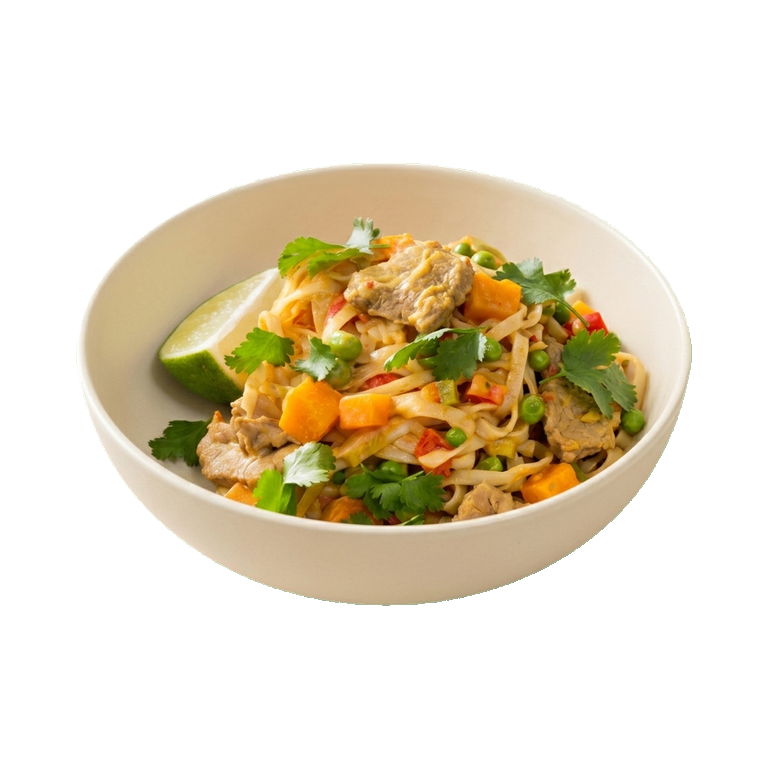
- In Asian broths soups — ramen, miso soup, Vietnamese pho
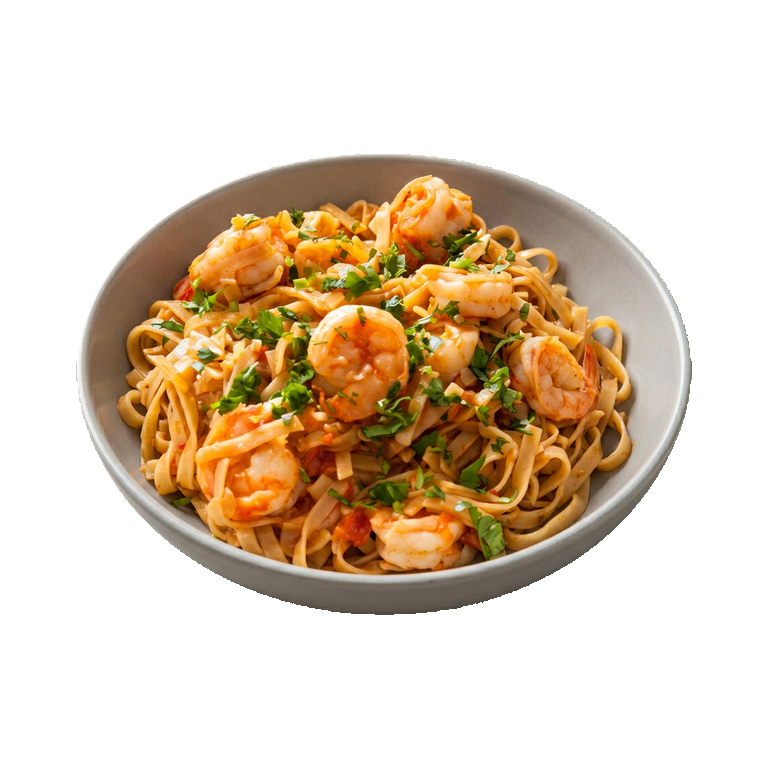
- In stir-fried wok-style dishes with vegetables, meat or seafood
- In cold salads in summer, dressed with sesame oil or lemon sauce
- In creamy and tomato sauces as an alternative to spaghetti
- In soups with chicken, vegetables and light broth
Pairings and Sauces
Wheat noodles work well with bright, rich flavors. Try them with soy sauce, sesame oil, garlic, and ginger. They aren't afraid of hot pepper, pair nicely with lime and cinnamon. Creamy sauces also work, but thin noodles can get lost in a heavy dish — it's better to choose thicker ones. With seafood, chicken, mushrooms, and fresh herbs, they reveal themselves in a new way.
How to Choose and Store
When purchasing, pay attention to the color — good wheat noodles should be light yellow, uniform, without cracks or dark spots. The packaging should be intact, without crumbs at the bottom. Dry noodles keep for months in a dry place at room temperature. Keep fresh chilled noodles in the refrigerator for no more than a week. If cooking ahead, slightly undercook — upon reheating, they will reach the perfect texture.
Tip for result
Boil the pasta in a large amount of salted water — this prevents sticking and helps it cook evenly. Immediately after cooking, drain it in a colander, but do not rinse with cold water if you plan to add hot sauce right away. The starch on the surface will help the sauce stick better. If the pasta will sit before serving, lightly spray it with oil so it doesn't stick together.
Nutrition
per 100 g
- Calories
- 371 kcal
- Protein
- 12.3 g
- Fat
- 1.1 g
- Carbs
- 74.9 g
Measure calculator
- Weight
- 100 g
- Calories
- 371 kcal