Usuba
Usuba
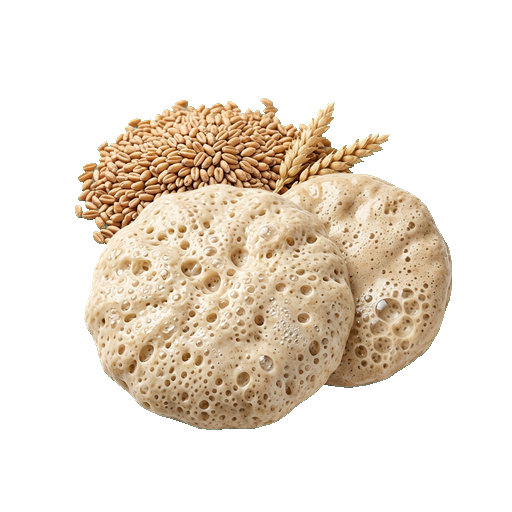
Wheat Starter
Wheat sourdough is a living culture made from flour and water, in which wild yeasts and lactic acid bacteria develop. It gives bread a characteristic tangy flavor, a porous structure, and improves its digestibility, while also eliminating the need for commercial yeast. When working with sourdough, it is important to feed it regularly with flour and water, maintain proper temperature conditions, and account for fermentation time, which can be longer than when using commercial yeast.
About
Wheat starter is a living culture of lactic acid bacteria and wild yeast fungi that slowly raises the dough and gives bread its characteristic sour taste. It is made from flour and water by leaving the mixture to ferment for several days until foam begins to form and a pleasant fermentation aroma appears. It is not just an ingredient — it is a living organism that requires attention and regular feeding, but in return it gives bread a depth that commercial yeast cannot provide.
Aroma and taste
A mature wheat starter smells like dairy products with light fruity notes — this is a sign of healthy fermentation. When you add it to the dough, it works slowly, creating a complex flavor profile: a light tang, nutty undertones, and sometimes a barely noticeable sweetness. The intensity of flavor depends on how long the dough ferments. A short proofing time gives a mild acidity, while a longer one produces a more pronounced, almost savory flavor.
Role in bread and baking
Wheat sourdough works slower than commercial yeast, but it makes bread more stable: it stays fresh longer, stores better, and is easier to digest. It naturally acidifies the dough, which enhances the aroma and improves the crumb structure. Sourdough is ideal for wheat, rye, and mixed bread, as well as for buns, if you are willing to wait longer than usual.
Where to use it
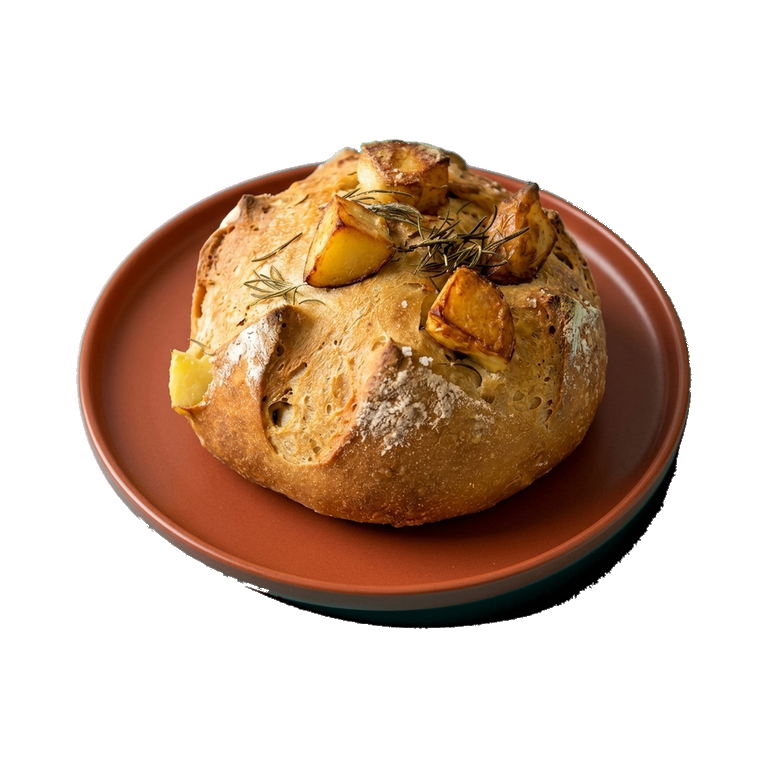
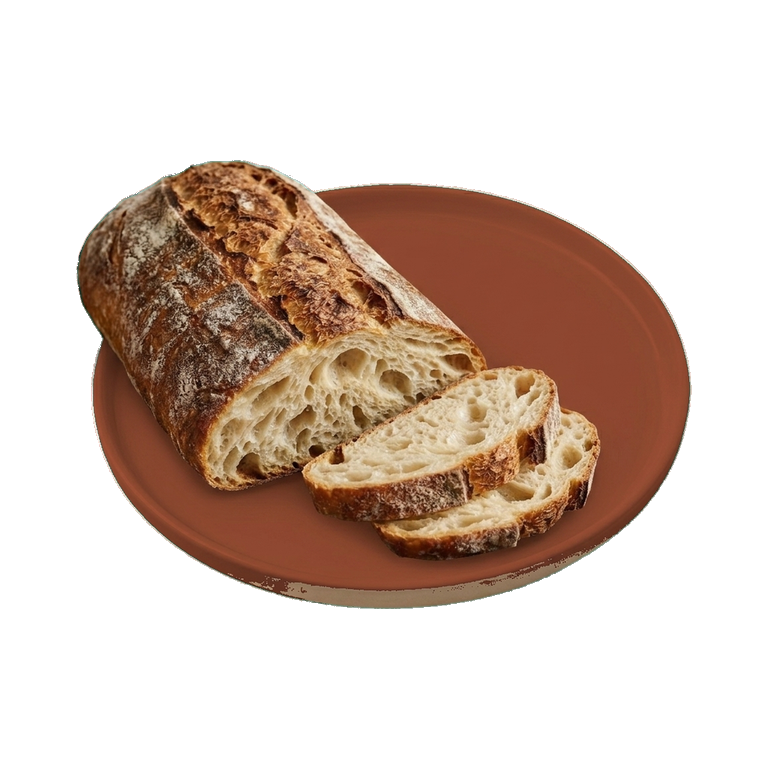
- Wheat sourdough bread — a classic option with a light tang and porous crumb
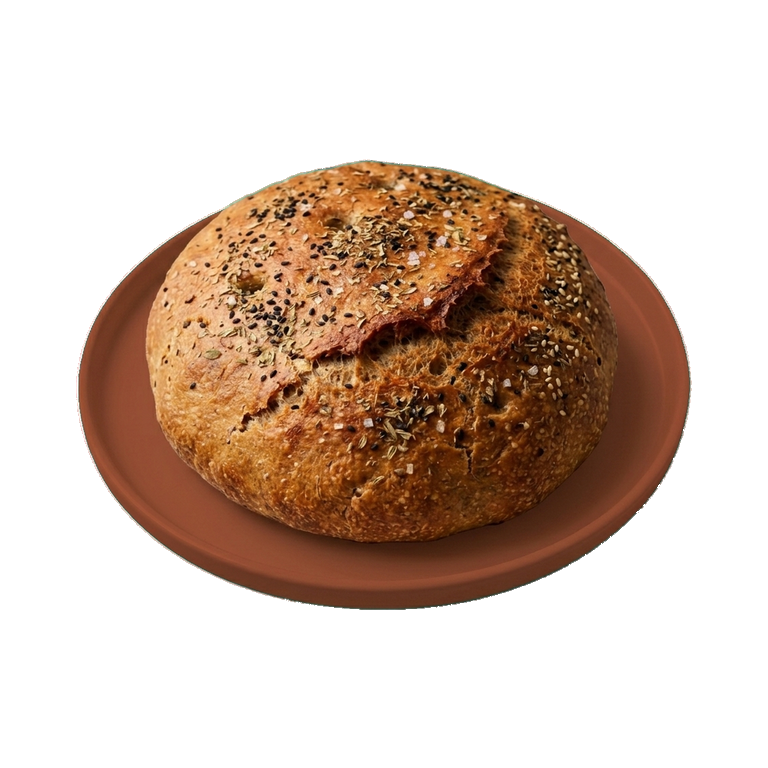
- Mixed bread with rye or spelt — sourdough highlights their deep flavor
- Buns and croissants — if you add sourdough along with commercial yeast, you'll get a more interesting taste
- Pancakes and fritters — sourdough makes them fluffier and tastier
- Appetizers and black bread — here the tanginess is especially appropriate
Selection and Storage
If you're making a starter from scratch, you'll need 5–7 days of patience. Mix equal parts flour and water, leave at room temperature, and stir every day. When a stable smell and active fermentation appear, your starter is ready. Store it in the refrigerator in a glass jar — it can live for months this way. Before using, feed it with flour and water, let it sit for a few hours at room temperature until it starts to rise.
- Use pure flour — the cleaner the flour, the more stable the fermentation
- If the starter has been sitting in the refrigerator for a long time, activate it a day before baking
- Don't throw away "extra" starter — it's perfect for pancakes and fritters
- Starter loves stable temperature — avoid sudden temperature changes
Wheat starter is an investment in bread quality. The first time it will require time and attention, but then it becomes a habit. The bread turns out more aromatic, stays fresh longer, and the taste becomes that very "special touch" that distinguishes homemade baking from store-bought.
Nutrition
per 100 g
- Calories
- 80 kcal
- Protein
- 3.5 g
- Fat
- 0.3 g
- Carbs
- 16 g
Measures and weight
- 1 tbsp
- 15.8 g
- 1 tsp
- 5.3 g
- 1 cup
- 262.5 g
Measure calculator
- Weight
- 100 g
- Calories
- 80 kcal