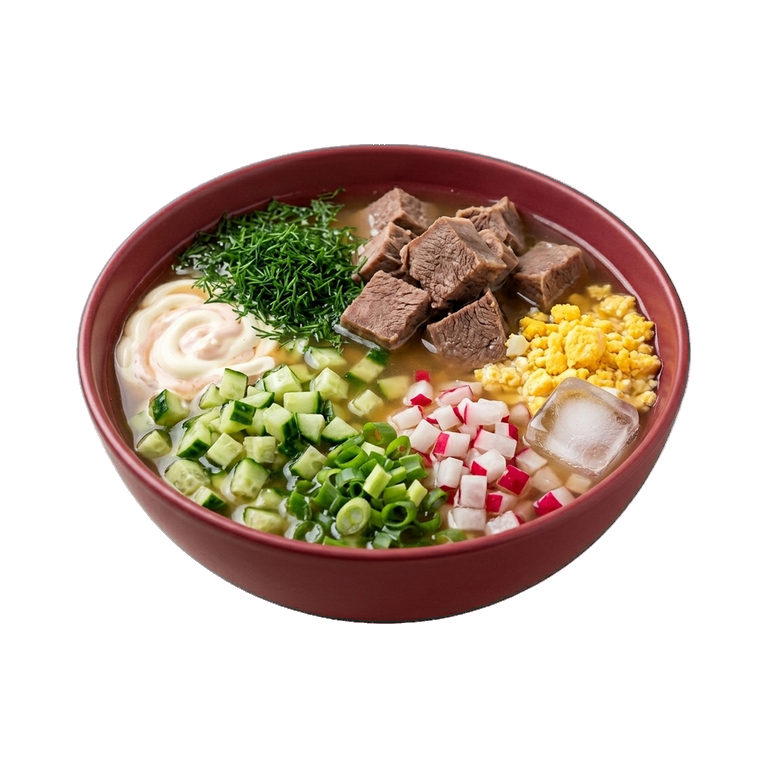
Usuba
Usuba
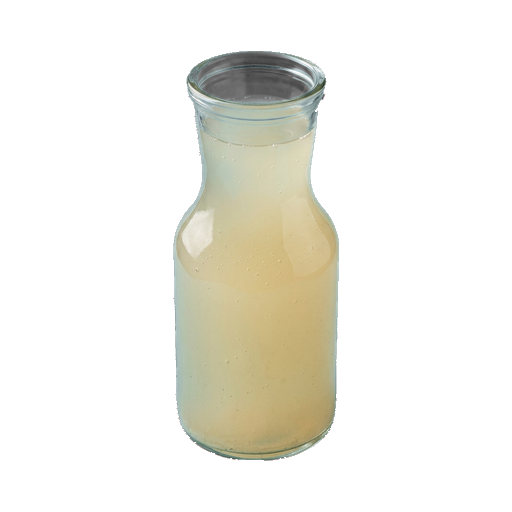
White kvass
White kvass is a low-alcohol beverage made from rye or barley malt with lactic acid starter culture, distinguished by its light color and mild, slightly tangy taste with notes of bread. In cooking, it is used as a base for okroshka and other cold soups, added to batter for pancakes and baked goods, and also enjoyed as a standalone drink. When choosing, it is important to pay attention to the presence of natural starter culture and minimal additives — quality white kvass has a pleasant bread aroma and a slightly cloudy appearance.
About
White kvass is a fermented milk drink that is often confused with regular kvass, although they are quite different things. While classic kvass is made from rye bread, white kvass is made from wheat or light varieties of rye bread, sometimes with the addition of milk whey or starter culture. The result is a drink with a soft, delicate taste and a barely noticeable tartness, which quenches thirst well and aids digestion.
Taste and Aroma
White kvass is distinguished by a delicate, almost creamy flavor with a light acidity. It is not as rich and bread-like as dark kvass, but rather resembles slightly soured milk with bread notes. The aroma is fresh and milky, sometimes with a subtle rye undertone. This makes it a versatile beverage — not too sour, not too sweet, not aggressive.
Role in the Kitchen
White kvass is a drink that is consumed on its own, chilled in hot weather. But it also serves as a base for okroshka: its mild flavor doesn't overpower vegetables and meat, while its acidity helps bring out their tastes. It is added to dough for fluffiness, used in marinades for meat and fish, where it provides delicate acidity without harshness. Some chefs add it to soups instead of vinegar when a subtle sourness is needed.
Pairings and Uses
- Okroshka with beef, potatoes and herbs — a classic combination
- Marinade for meat and fish together with herbs and spices
- Base for kvass with the addition of berries or herbs
- Additive to dough for bread or pancakes
- Cold soup with cucumbers and radishes
Selection and Storage
White kvass is sold in stores in bottles or dispensed at markets. When choosing, pay attention to the production date — fresh kvass is better. If you're making it yourself, remember that white kvass ferments faster than dark kvass, usually in 2–3 days at room temperature. It keeps in the refrigerator in a closed container for up to two weeks, but the taste will be most vibrant in the first week. Before using in hot dishes, it's better to add kvass at the end of cooking to preserve its beneficial properties.
Practical tip
If you're making okroshka or cold soup, white kvass is your choice. Its delicate flavor doesn't overpower the tastes of other ingredients, and its acidity works as a seasoning. When you need a tangy note in a marinade or dough, but you're afraid of overdoing it with vinegar, white kvass becomes the perfect alternative. Try it in kvass-based cocktails too — its mild flavor pairs well with berry syrups and mint.
Nutrition
per 100 ml
- Calories
- 27 kcal
- Protein
- 0.2 g
- Fat
- 0.1 g
- Carbs
- 5.8 g
Measures and weight
- 1 tbsp
- 15 g
- 1 tsp
- 5 g
- 1 cup
- 250 g
Measure calculator
- Weight
- 100 g
- Calories
- 27 kcal