Usuba
Usuba
Ranetka apples
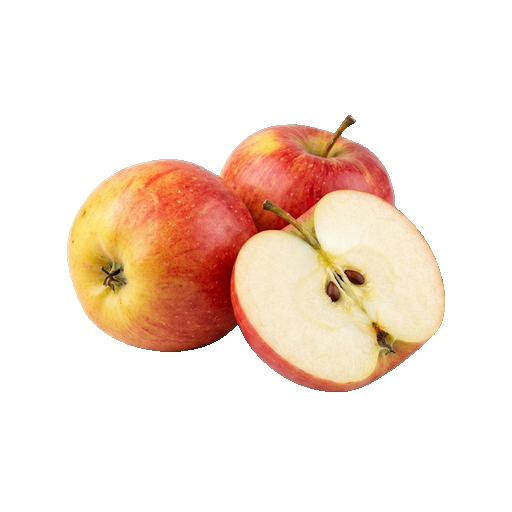
Small tart-sweet apples with dense flesh and thin skin, often red or yellow in color. Thanks to their compact size and crispy texture, they are ideal for whole baked desserts, jams, and compotes, and also hold their shape well during heat treatment. When choosing, look for firmness of the fruit and the absence of dark spots, as such apples deteriorate faster in storage.
About
What is a crabapple and why you need it in the kitchen
Ranetka is a small, dense apple the size of a walnut that is often confused with a decorative fruit. In fact, it is a full-fledged culinary ingredient with its own character. The main difference from regular apples is the high content of pectin and acid with relative sweetness. The flesh is dense, almost crispy, the skin is thin but strong. It is precisely because of these properties that ranetka behaves predictably in jams, compotes, and baked goods — it doesn't fall apart, maintains its shape, and doesn't turn into mush.
Taste and Aroma
Crabapple has an intense and slightly tart taste with a noticeable acidity. If the apple is well-ripened, honey notes and a light spiciness appear. The aroma is bright and distinctive — not blurred like in large varieties, but concentrated. This quality makes crabapple particularly valuable for compotes: a small amount of fruit gives the drink a pronounced flavor and aroma.
How to cook and use
Ranetka apples are versatile, but shine especially brightly in three directions. First, jams and preserves: thanks to their pectin content, the mass thickens on its own without additives, and the apples don't break down into a uniform puree, retaining their pieces. Second, compotes and fruit drinks: a few ranetka apples per three-liter jar create a noticeable flavor and aroma. Third, baked goods: whole or halved ranetka apples decorate pies, charlottes, and cheese pancakes, maintaining their shape during heat treatment.
- Jam and fruit preserve — classic use, often without sugar or with minimal amount
- Compotes for winter — a couple of apples per jar gives rich flavor
- Fruit paste and marmalade — high pectin allows you to do without gelatin
- Pie and tart decoration — halves of small apples look beautiful on the surface
- Meat garnish — baked whole apples served as a spicy sweet appetizer
Selection and Storage
When shopping, pay attention to density and color. A ripe ranetka should be firm, without soft spots, with a bright red or yellow-red color. If the apple is soft or has dark dents — it is overripe or has started to spoil. Size does not matter; small ranetkas are often even more aromatic than large ones.
Store ranetka apples best in a cool place — a refrigerator, cellar, or unheated balcony. At temperatures of 4–8 degrees Celsius, apples will retain their firmness and flavor for several weeks. Don't place them next to other fruits that ripen quickly: ranetka apples are sensitive to ethylene. If apples start to soften, use them in jam or compote as soon as possible — pectin will remain effective even in overripe fruit.
Successful Combinations
Ranetka apple works well with spices: cinnamon, clove, and cardamom enhance its spicy notes. With vanilla and lemon, you get a classic, balanced combination. Ginger or black pepper can be added to the jam — they will emphasize its tartness. Ranetka pairs well with other apples in one dish, serving as an aromatic accent, or with pear, if a milder acidity is desired.
Nutrition
per 100 g
- Calories
- 47 kcal
- Protein
- 0.3 g
- Fat
- 0.4 g
- Carbs
- 11 g
Measures and weight
- 1 pcs
- 25 g
Measure calculator
- Weight
- 100 g
- Calories
- 47 kcal