Usuba
Usuba
Yellow curry powder
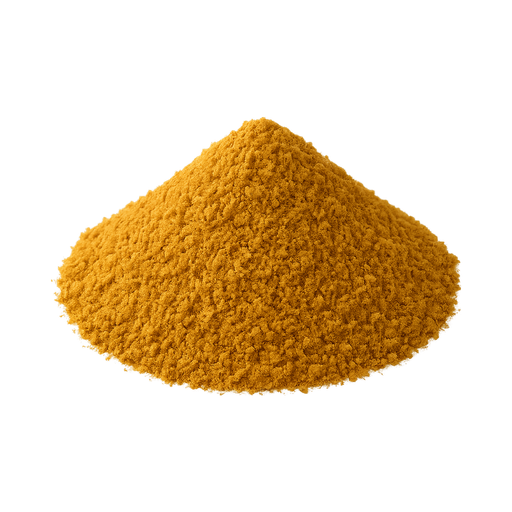
Yellow curry powder is a blend of ground spices where turmeric, coriander, and cumin play the main role, giving it a characteristic golden color and warm, slightly earthy flavor. The spice has a mild, non-spicy profile with a subtle bitterness and is suitable for dishes where deep spiciness is needed without heat. Used in curries, rice, and vegetable dishes; when substituting red or green curry, keep in mind that yellow is less spicy and more aromatic.
About
Yellow curry powder is a spice blend that works as a universal tool in the kitchen. Its mild, slightly sweet flavor doesn't intimidate those just beginning to explore spicy seasonings, while experienced chefs appreciate it for its ability to harmonize flavors into one cohesive whole. Unlike red or green curry, the yellow variety is less aggressive, yet carries a complete set of aromatic notes.
Taste and Aroma
You open the jar — and immediately feel the warm, earthy notes of turmeric, which forms the basis of the blend. It is complemented by the spicy touches of coriander and cumin, the light piquancy of ginger, and the barely perceptible bitterness of black pepper. Together, this creates an aroma that is both cozy and exotic — it doesn't assault the nose, but gently invites you to taste the dish.
On the palate, yellow curry unfolds gradually. First, you feel warmth and subtle sweetness, then spiciness appears, and finally—a barely noticeable peppery bite. The heat here is not the main focus; it's rather a background support for the main melodic line.
Where and how to use it
Yellow curry is ideal for soups and broths — it doesn't overpower the main flavor, but enhances it. Add a pinch to a creamy vegetable soup, and the dish will acquire an oriental charm. It works well in sauces for chicken, fish, or seafood: mix it with coconut milk, lemon juice, and fish sauce — and you'll get a base for a complete dish.
- Rice and grains: sprinkle cooked rice or couscous before serving to add depth
- Marinades: mix with oil and garlic for a marinade for meat or vegetables
- Vegetable dishes: stir-fry carrots, potatoes or cauliflower with curry and coconut milk
- Legumes: curry pairs wonderfully with lentils and chickpeas in soups and stews
What goes well with it
Yellow curry respects coconut milk — they create a perfect pair, where spices unfold against a creamy texture. Lime and lemon will enhance its spiciness and add freshness. Garlic and ginger will become its faithful companions, emphasizing the spicy notes.
Curry looks great on the table alongside neutral side dishes: white rice, noodles, or bread. They absorb the sauces and allow the spices to fully shine. Fresh herbs — cilantro, basil, mint — add contrast and refresh the flavor.
Selection and Storage
When purchasing, pay attention to the color — it should be bright yellow, without gray or brown specks. Smell it: fresh curry has a lively, clean aroma without mustiness. If the powder has clumped together, this is a sign of improper storage or age.
Store curry in an airtight jar or container, away from light, heat, and moisture. A shelf in your kitchen cabinet, not above the stove, is its ideal place. With proper storage, the powder maintains its aroma and flavor for a year, but it's best to use it within 6 months while it's at its peak.
If curry seems too spicy to you, start with half of the recommended amount. It's easier to add later than to remove from the finished dish.
Nutrition
per 100 g
- Calories
- 354 kcal
- Protein
- 12.7 g
- Fat
- 13.9 g
- Carbs
- 44.8 g
Measures and weight
- 1 tbsp
- 13.5 g
- 1 tsp
- 4.5 g
- 1 cup
- 225 g
Measure calculator
- Weight
- 100 g
- Calories
- 354 kcal