Usuba
Usuba
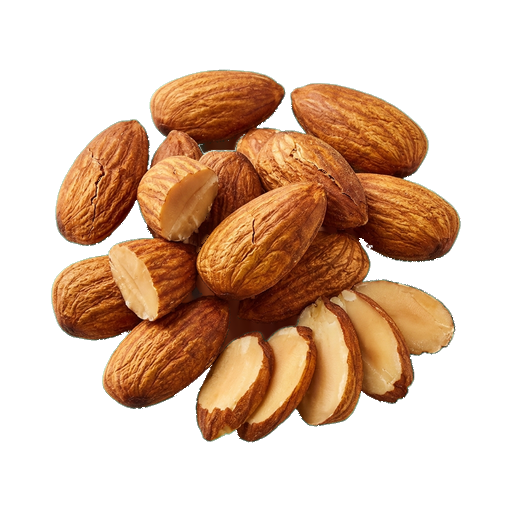
Fried Almonds
Roasted almonds are nuts processed at high temperature until they develop a golden color and crispy texture. During roasting, almonds acquire a rich nutty aroma and a more pronounced flavor with a slight bitterness, becoming denser and more brittle than raw almonds. Used as a standalone snack, added to salads, desserts, sauces, and Asian dishes, and also serves as a base for nut butters and toppings.
About
Aroma and Taste
Roasted almonds are a completely different product than their raw counterpart. In a pan or oven, the nutty oils fully unfold: a deep, rich aroma with a subtle caramel note emerges, the taste becomes more pronounced and complex. The crispy texture makes every bite pleasant to eat, and the aftertaste lingers long and pleasantly. It's no longer just a nut, but a full-fledged ingredient with character.
Role in dishes
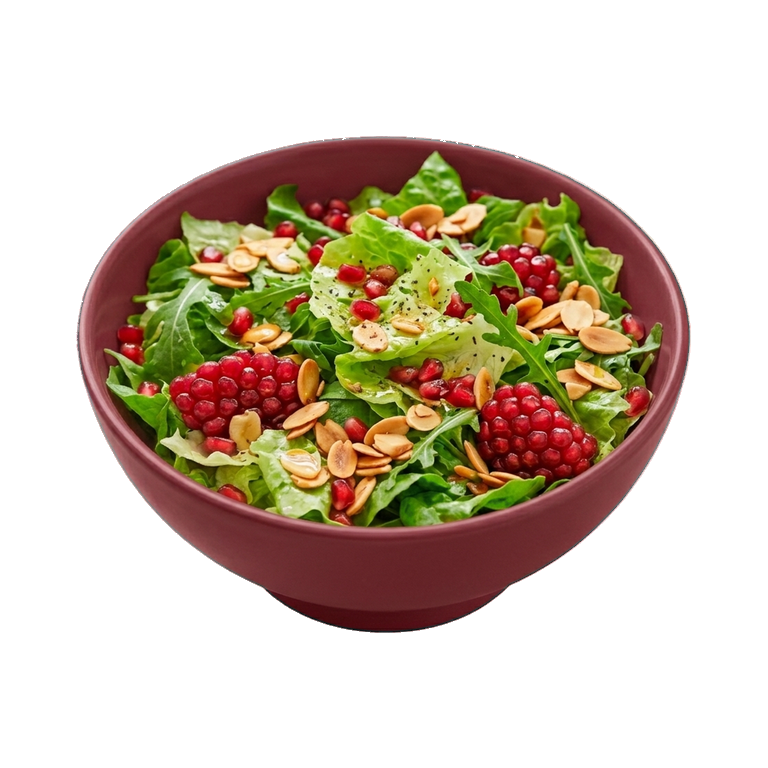
Roasted almonds work everywhere you need texture and nutty flavor. In salads, they don't get soggy quickly, so the dish stays crispy. In baking, they add depth and aroma — especially great in cookies, cakes, and cupcakes. They're added to side dishes for fish and poultry, sprinkled on desserts, and mixed into granola and muesli. Even just a handful of roasted almonds makes an excellent snack that's both filling and satisfying.
Successful Combinations
- With honey and cinnamon — a classic duo for sweet dishes
- With lemon and herbs — a contrast for salads
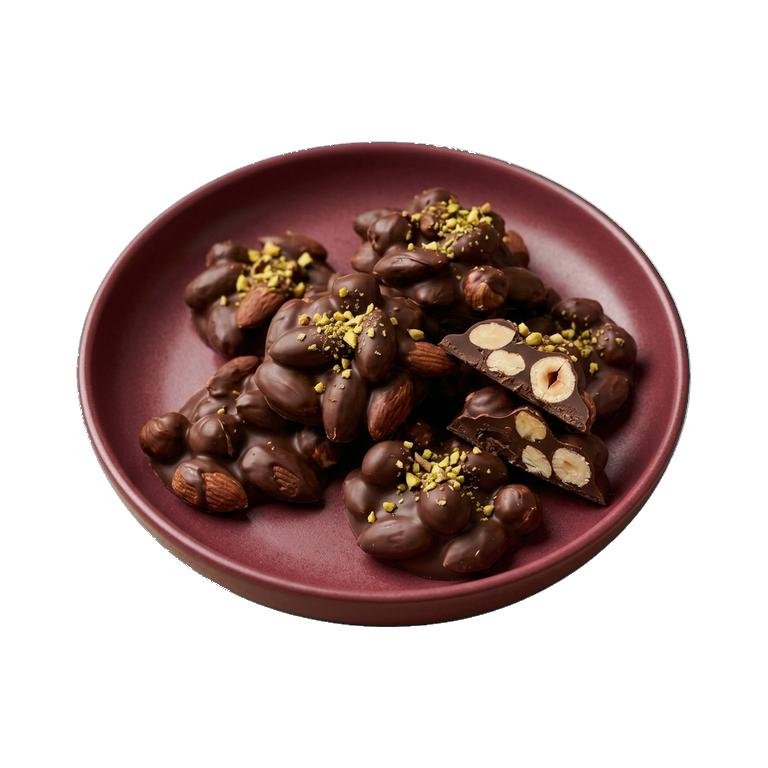
- With chocolate — for desserts and candies
- With sea salt — for appetizers and side dishes
- With vanilla and dairy products — for baked goods and creams
How to Choose and Store
When purchasing, pay attention to the color: good roasted almonds have a uniform golden or light brown shade. Avoid dark or burnt pieces — they give bitterness. Smell it: the aroma should be pleasant and nutty, without any mold or musty smell. If you see moisture in the packaging — this is a sign of improper storage.
Roasted almonds store better than raw ones due to reduced moisture. Keep them in an airtight container or bag in a cool, dark place — at room temperature they will keep well for several months. In the refrigerator, the shelf life is even longer. If you notice that the nuts have started to taste bitter or have developed an unpleasant smell — this means the oils have oxidized, and such almonds are better not to use.
Practical Tips
- If you need a more pronounced flavor, lightly toast the almonds in a dry pan before adding to the dish
- For salads, chop or break the nuts right before serving to maintain crunchiness
- Add to baked goods at the end of mixing to prevent it from grinding during the process
- Ground roasted almonds are an excellent base for nut flour in low-carb baking
Nutrition
per 100 g
- Calories
- 579 kcal
- Protein
- 21.2 g
- Fat
- 50.6 g
- Carbs
- 21.6 g
Measures and weight
- 1 tbsp
- 9.8 g
- 1 tsp
- 3.3 g
- 1 cup
- 162.5 g
- 1 pcs
- 1.2 g
Measure calculator
- Weight
- 100 g
- Calories
- 579 kcal