Usuba
Usuba
Jasmine Rice
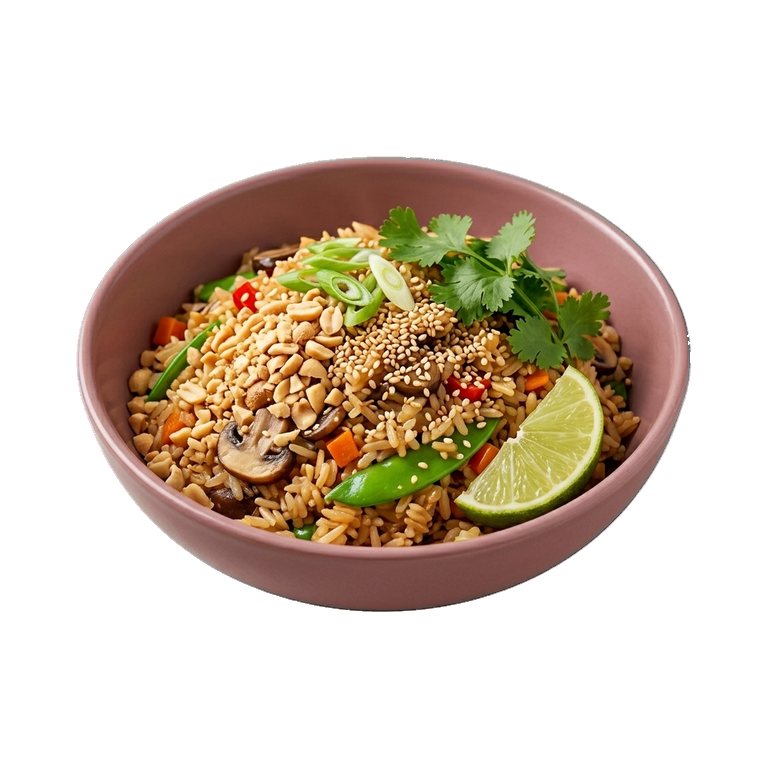
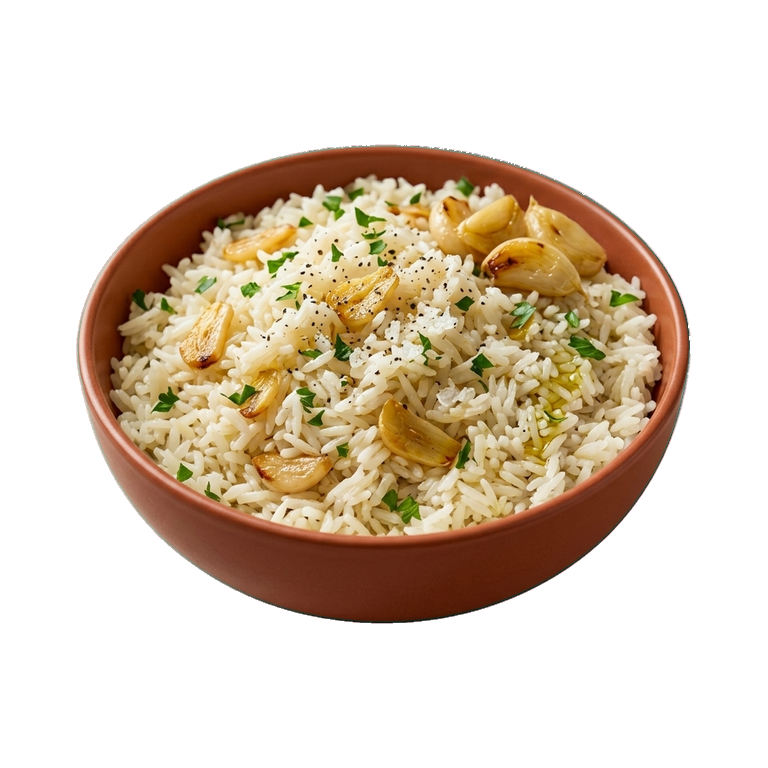
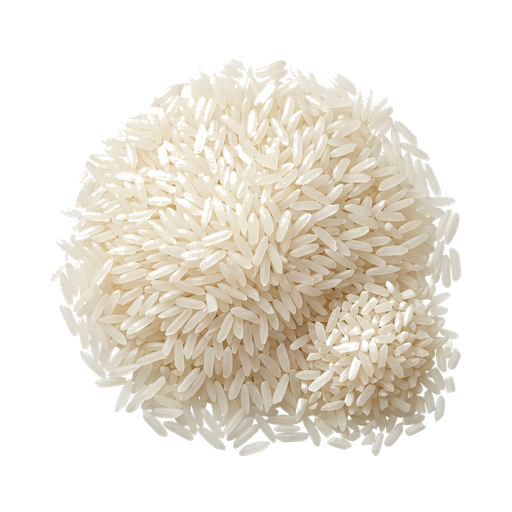
Jasmine rice is a long-grain variety with a characteristic sweet aroma reminiscent of floral notes. The grains remain fluffy after cooking and have a tender, slightly sticky texture inside with a crispy surface. Ideal for Asian dishes — Thai vegetable rice, sushi, and side dishes served with spicy sauces, as its aroma complements pungent and sour flavors well.
About
Aroma and flavor
Jasmine rice is instantly recognizable — just open the package and a delicate, almost floral aroma rises into the air. This is not an added scent, but a natural property of the grains. When the rice is cooked, the aroma becomes even more pronounced and spreads throughout the kitchen. The grains taste delicate, slightly sweet, with a barely noticeable nutty note. The texture is soft, but the grains remain separate, they don't stick together into porridge if you maintain the correct ratio of water to rice.
Role in dishes
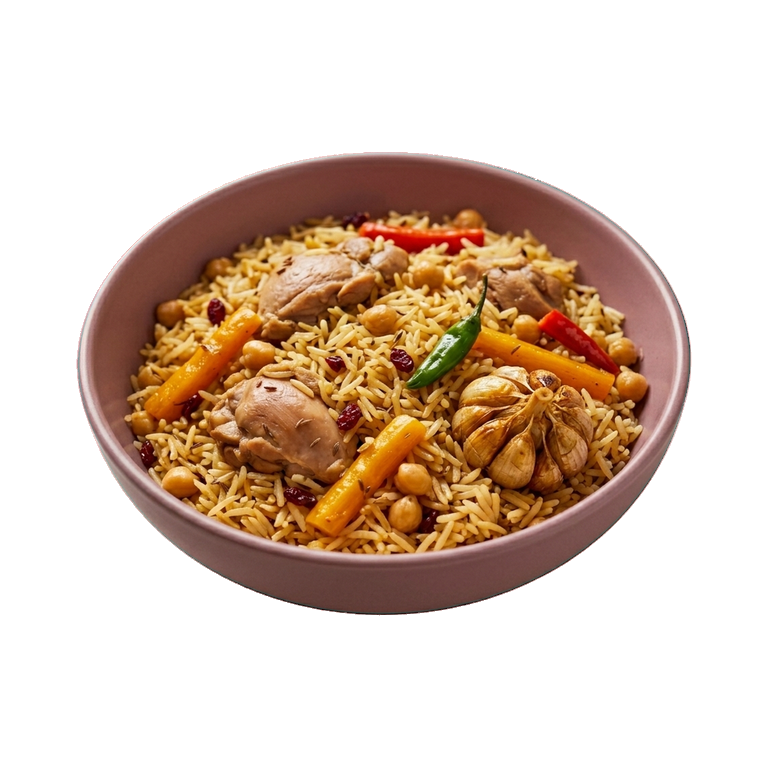
This rice is ideal for Asian cuisine — it is the foundation for Thai, Vietnamese, and Cambodian dishes. In curries, with vegetables, with seafood or meat, jasmine rice complements but does not overpower the main flavors. Its delicate aroma pairs well with spicy and hot sauces. Suitable for rice salads when you need lightness and elegance. Some chefs use it for sushi, although this is not a classic choice — the grains become softer than Japanese tradition requires.
Pairings
- Coconut milk and lemongrass — a classic Asian combination
- Hot sauces: chili, Thai tom yam, Vietnamese nuoc mam sauce
- Seafood: shrimp, squid, grilled fish
- Vegetables: cucumber, tomatoes, carrots, bell pepper, basil and cilantro herbs
- Chicken and beef in marinades with spices
Selection and Storage
When selecting, pay attention to the color of the grains — they should be white or slightly creamy, without dark specks and damage. Smell the rice if possible: the aroma should be pleasant, floral, without mustiness. Avoid packages showing signs of moisture or mold. Jasmine rice should be stored in a dry place, protected from light and moisture. An airtight container or tightly sealed bag in a cabinet are ideal conditions. With proper storage, rice maintains its quality for several months.
Cooking Tips
- Rinse the rice with cold water before cooking to remove starch and make the grains more crumbly
- Ratio — one part rice to one and a half parts water
- Bring to a boil, then reduce heat and simmer covered for 15–18 minutes
- Let the rice rest for 5 minutes after cooking without opening the lid
- For more aroma, add a pinch of salt or a lemongrass stick to the water
Nutrition
per 100 g
- Calories
- 345 kcal
- Protein
- 7 g
- Fat
- 0.7 g
- Carbs
- 77 g
Measures and weight
- 1 tbsp
- 12.8 g
- 1 tsp
- 4.3 g
- 1 cup
- 212.5 g
Measure calculator
- Weight
- 100 g
- Calories
- 345 kcal