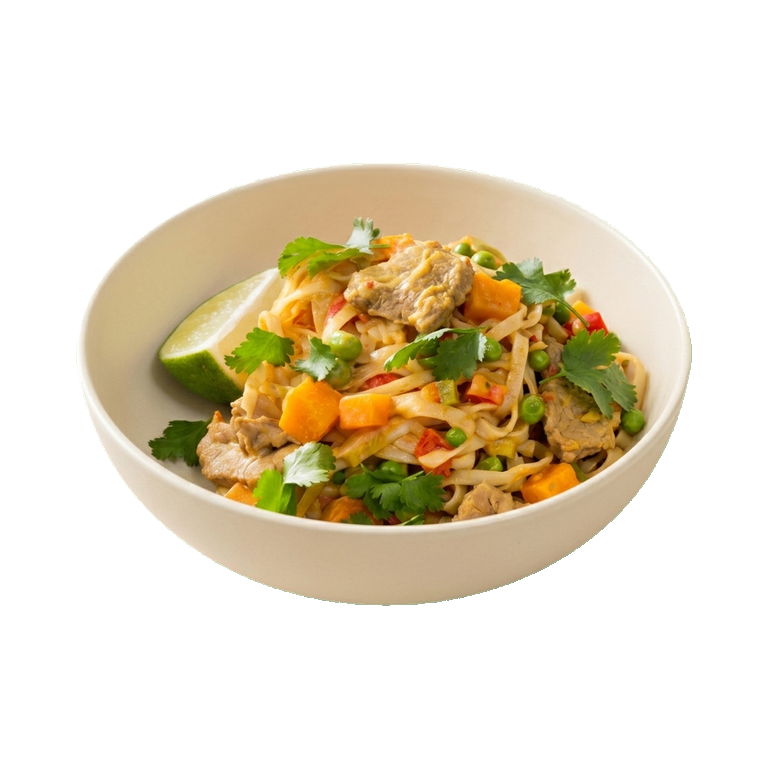
Usuba
Usuba
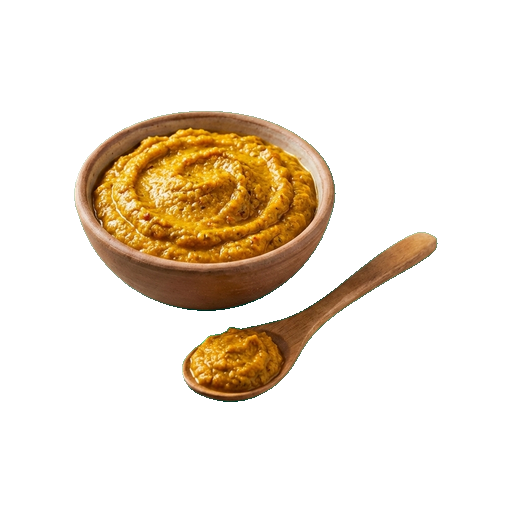
Yellow Curry Pasta
A paste with a soft, slightly sweet flavor and warm spicy notes, made from turmeric, ginger, garlic, and other spices. Primarily used in Thai and Asian cuisine as a base for sharp and aromatic sauces for meat, seafood, and vegetables. When choosing, pay attention to consistency — the paste should be homogeneous and not separate, and when added to a dish, it should dissolve well in liquid or oil.
About
Yellow curry paste is the foundation of Thai cuisine, transforming simple ingredients into an aromatic dish in just a few minutes. The paste already contains all the necessary spices, so you don't need to search for a dozen components: turmeric, coriander, fennel and other seasonings are already mixed in the right proportion. This saves time and guarantees consistent results.
Aroma and Flavor
Yellow curry paste has a mild, warming taste with pronounced turmeric as its base. It is less spicy than red or green curry paste, making it suitable for those who prefer delicate spices. The aroma is rich but not aggressive — earthy with subtle floral notes.
How to use in dishes
Curry paste works with both meat and vegetables and seafood. It is usually fried in oil for a few seconds to release the aroma, and then coconut milk, broth, or cream is added. The paste dissolves in the liquid and creates a smooth sauce.
- Chicken curry with vegetables — a classic version, takes 20–25 minutes
- Tom yum soup or curry soup — paste provides the base flavor, the rest depends on additional spices
- Marinade for meat before frying — paste is mixed with oil and lemon juice
- Paste for omelette or fried eggs — adds depth without heat
Combinations and Proportions
For one can of coconut milk (400 ml), use 2–3 tablespoons of paste. If you prefer a more pronounced flavor, add more. The paste works well with fish sauce, lemon juice, sugar, and salt — these ingredients balance its spiciness and create a layered taste.
- Coconut milk — a classic choice that softens the spice
- Cream or sour cream — for a more delicate, European curry variant
- Broth (chicken or vegetable) — if you want a lighter dish
- Lime and fish sauce — essential final touches for authentic flavor
Selection and Storage
Curry paste is sold in jars, tubes, and sachets. Check the ingredients: good paste should contain spices, garlic, pepper, and oil, without a long list of preservatives. The color should be bright yellow, uniform, without separation.
After opening the jar, keep it in the refrigerator — the paste will keep for several months. If the paste is in a tube, it can last longer. Before using, check the smell: fresh paste has a pleasant and bright aroma, without mustiness or rancidity.
Yellow curry paste is an investment in speed and quality. One tube in your kitchen cabinet saves the day when you need to cook quickly but want something delicious and unusual.
Nutrition
per 100 g
- Calories
- 168 kcal
- Protein
- 5.2 g
- Fat
- 13.5 g
- Carbs
- 4.8 g
Measures and weight
- 1 tbsp
- 15.8 g
- 1 tsp
- 5.3 g
- 1 cup
- 262.5 g
Measure calculator
- Weight
- 100 g
- Calories
- 168 kcal