Usuba
Usuba
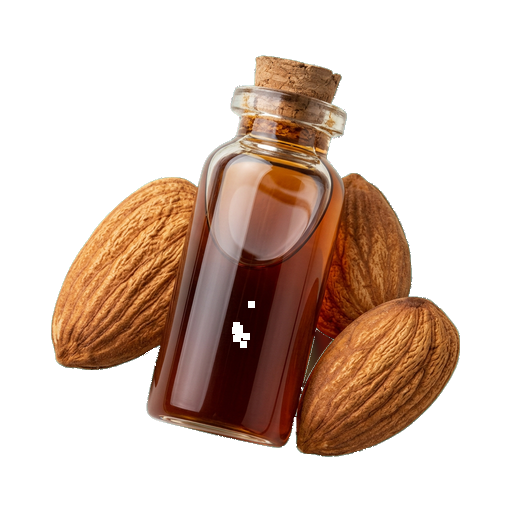
Almond Extract
Concentrated almond extract with an intense nutty aroma and slightly sweet taste, used to enhance almond flavor in baked goods, desserts, and beverages. The extract is added in small amounts — typically half or one teaspoon per portion of dough or cream, as its flavor is very pronounced and can overpower other ingredients. When choosing, pay attention to the naturalness of the composition: natural extract is more expensive, but provides a deeper and more complex flavor than its synthetic counterpart.
About
Almond extract is a concentrated flavoring that carries all the intensity of taste and aroma of almond kernels, but without their structure and fat content. It is used drop by drop, because a single drop can impart a noticeable almond character to a dish. It is not just an additive: it is a way to restore the almond profile to places where whole nuts would be inappropriate or technically impossible.
Aroma and Taste
Almond extract smells like freshly processed almonds, but sharper and cleaner. When added to a liquid base, it reveals itself with a delicate nutty aroma with a light sweetness. The taste is straightforward: almonds without impurities, without bitterness, if it's a quality product. Some extracts give a slight wine or alcohol background — this is normal and quickly dissipates when heated.
Where to use
- Creams and mousses — a few drops provide the desired depth without graininess and lumps
- Beverages: milk cocktails, coffee, cocoa — extract dissolves quickly and doesn't leave sediment
- Syrups and dessert sauces — add before final cooling
- Cookie and pie dough — 1–2 drops per portion of dough will enhance the nutty undertone
- Marzipan and pastille — extract helps almond flavor sound brighter
Main rule: start with one drop per serving and add gradually. Extract is easy to overdo, and you can't take it back. For a liter of liquid base, 5–10 drops is usually enough; for solid dough — 2–4 drops per kilogram.
Selection and Storage
- Check the composition: the extract should contain almonds, water, and alcohol (usually ethanol). If there are many additives — it's not a pure extract
- Color — light brown or amber. Too light may be diluted, too dark — oxidized
- Smell before purchase, if possible. The aroma should be clear, without mustiness or staleness
- Store in a tightly sealed bottle in a cool dark place. With proper storage, the extract lasts 2–3 years
- Avoid moisture getting into the bottle — alcohol evaporates, and the extract loses its potency
What goes well together
Almond extract harmonizes beautifully with vanilla, cinnamon, cardamom, and clove. It pairs well with chocolate and cocoa, enhancing their depth. Combined with milk and cream, it creates a classic nutty profile. It works wonderfully with apricot, cherry, and plum — the nutty undertone highlights their acidity.
Almond extract is a tool for those who want almond flavor without excess. One drop can save a dish if it requires a nutty note, but cannot accommodate whole kernels or nut flour.
Nutrition
per 100 ml
- Calories
- 260 kcal
- Protein
- 0.1 g
- Fat
- 0.1 g
- Carbs
- 65 g
Measures and weight
- 1 tbsp
- 15 g
- 1 tsp
- 5 g
- 1 cup
- 250 g
Measure calculator
- Weight
- 100 g
- Calories
- 260 kcal