Usuba
Usuba
Baking powder
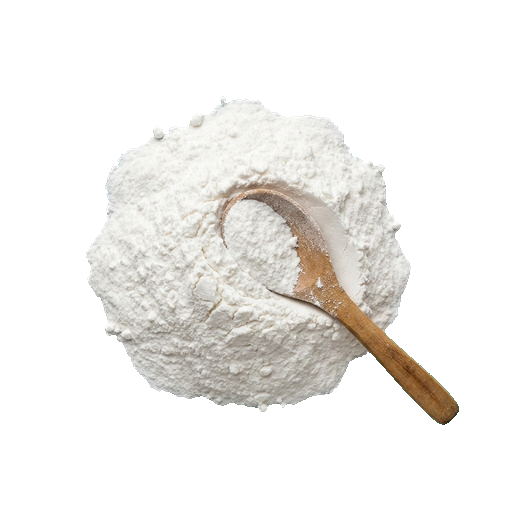
Baking powder is a leavening agent that helps dough rise and develop a fluffy structure through a chemical reaction when heated. It consists of baking soda, an acidic component, and starch, which together release carbon dioxide directly into the dough. It is used in cupcakes, cookies, pancakes, and quick breads where there is no time for fermentation — it is important to add it at the end of mixing and immediately place the dough in the oven to avoid losing the leavening effect.
About
Baking powder is the workhorse of the kitchen, raising dough without yeast and unnecessary fuss. Hidden inside it is a chemical reaction: acid meets base, and suddenly the dough begins to bubble, becoming airy and fluffy. It's not magic, but simple chemistry that saves time and guarantees results.
How it works and why it's chosen
The main difference between baking powder and baking soda is that baking powder already contains an acid ready for reaction. You simply mix it with dry ingredients — and the leavening agent is already built into the dough. Activation begins the moment moisture is added, so it's important to quickly put the dough in the oven while the gas is still working.
It is indispensable in recipes where there are no dairy products or where an instant reaction is needed. Pancakes, cupcakes, cookies, quick breads — everywhere you want to get a result in one mix and without fermentation.
Where to apply it in practice
- Pancakes and fritters — powder gives them tenderness and fluffiness
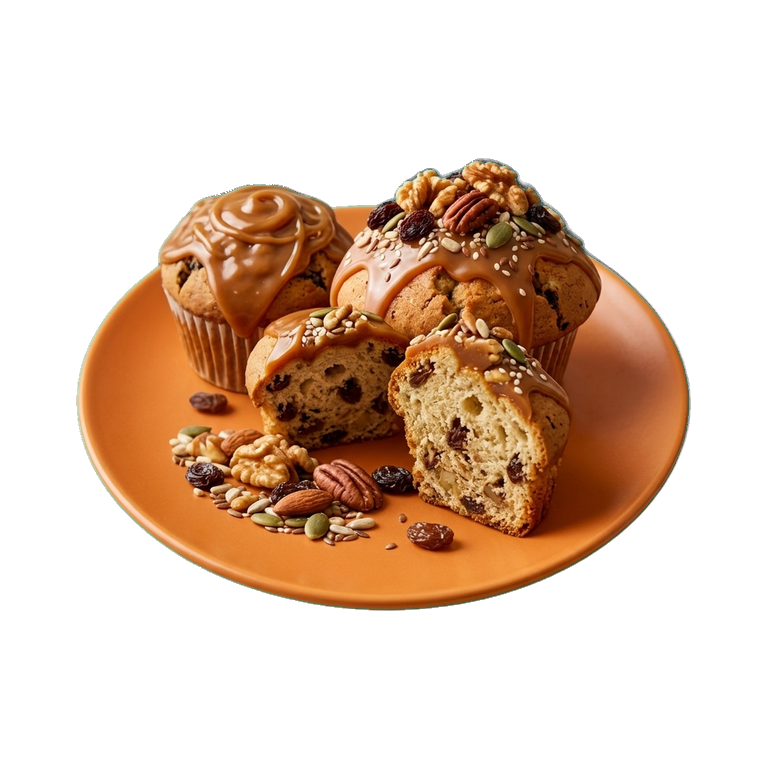
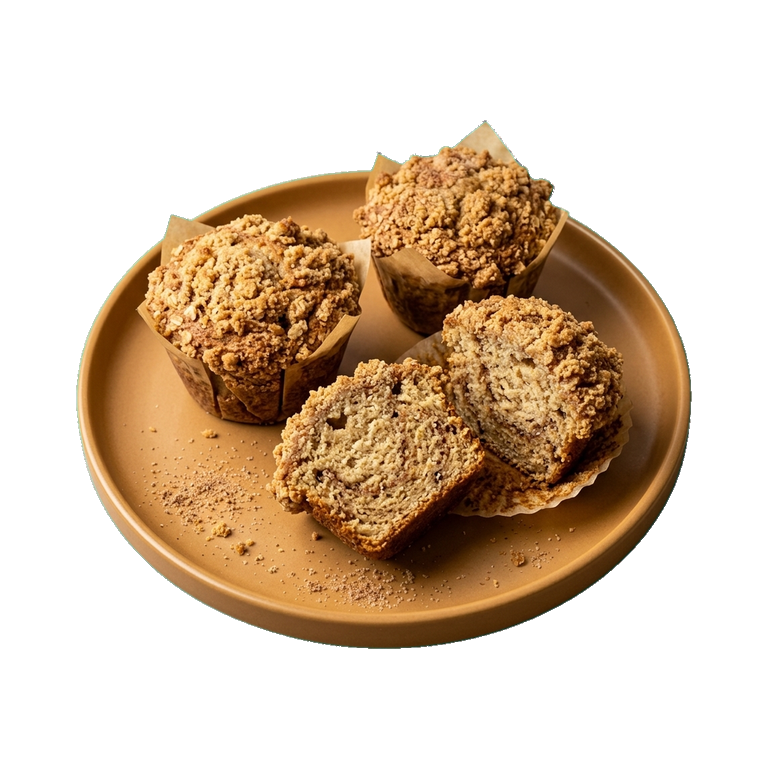
- Cupcakes and muffins — stable rise without yeast tantrums
- Cookies — if you need a light texture, not a dense structure
- Quick bread and scones — ideal base for leisurely baking
- Cakes and sponges — even rise throughout the volume
Selection and Storage
When purchasing, pay attention to the release date — over time, the powder loses its potency. Store it in an airtight container, away from moisture and heat. Even slight dampness can trigger the reaction prematurely, and the powder will simply lose its effectiveness.
The standard rate is one teaspoon per glass of flour, but in specific recipes the dosage may vary. Too much powder gives an unpleasant metallic aftertaste, too little — the dough does not rise. Follow the recipe, especially if you are a beginner.
The main secret: prepare the dough with baking powder at the last moment before baking. Don't give it time to rest — the reaction happens here and now.
Nutrition
per 100 g
- Calories
- 0 kcal
- Protein
- 0 g
- Fat
- 0 g
- Carbs
- 0 g
Measures and weight
- 1 tbsp
- 13.5 g
- 1 tsp
- 4.5 g
- 1 cup
- 225 g
Measure calculator
- Weight
- 100 g
- Calories
- 0 kcal