Usuba
Usuba
Beef Fillet
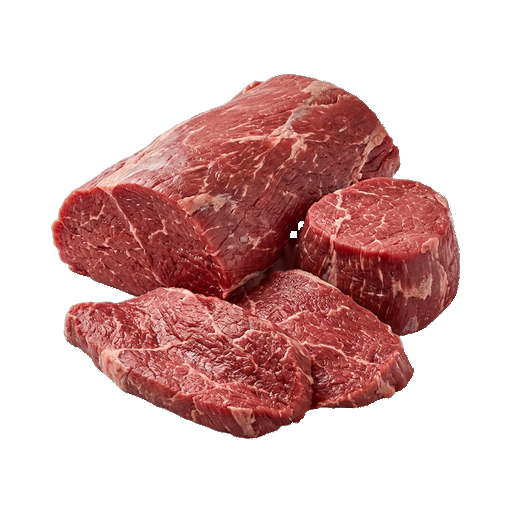
Beef tenderloin is the most tender part of the beef carcass with minimal fat and connective tissue content. The meat is distinguished by its soft structure, cooks quickly, and absorbs marinades and spices well. It is used for steaks, roast beef, tartare, and quick cooking over high heat. When selecting, it is important to pay attention to the color — it should be bright red, without gray spots or drying on the cut.
About
Beef tenderloin is a muscle that barely works during the animal's life, so it remains tender and soft. It is the most expensive and sought-after cut of beef, and it should be cooked in a way that doesn't spoil its natural delicacy. Tenderloin is perfect for a festive table and requires minimal intervention — often good temperature treatment and a pinch of salt are enough.
Taste and Texture
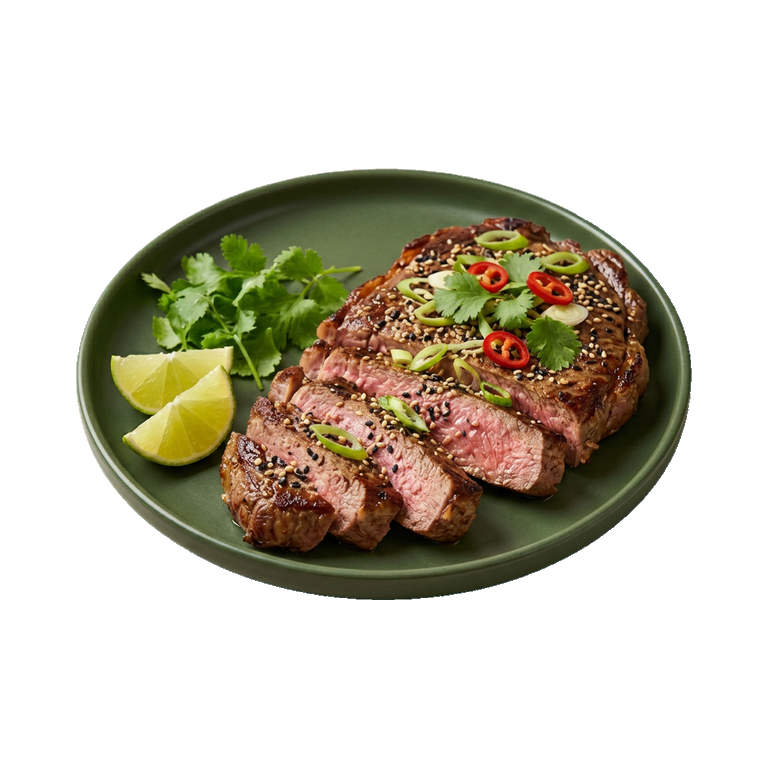
The meat has practically no fat layers — this is both its advantage and its challenge. The taste is beefy, but mild and unobtrusive, without the richness that fattier cuts provide. The texture is dense, but melts in your mouth when cooked properly. This is why fillet is often prepared with minimal processing: as a steak with a crust, rare inside, or quickly seared as a whole piece.
How to Cook
The main rule is not to overcook. Fillet is best revealed at an internal temperature of 50–55 degrees (rare or medium-rare). If overcooked, the meat becomes dry and tough, because it has little fat to compensate for moisture loss.
- Pan-seared steak: heat the pan to maximum, pat the meat dry, salt before cooking, sear for 3–4 minutes on each side, let rest for 5–7 minutes under foil
- On the grill: cook over medium heat, do not raise temperature above 200 degrees, flip rarely, use a thermometer
- In the oven: sear in a pan for a crust, then bring to desired temperature in the oven at 180 degrees
- Sous-vide: the most reliable method if you have the equipment — cook at 54 degrees for 1–2 hours, then quickly sear in a pan for a crust
Pairings and Seasonings
Fillet doesn't require complex sauces — often good salt, black pepper, and butter are enough. But if you want something more, consider acidity and brightness: mustard, wine sauce, red wine reduction, fresh herbs (rosemary, thyme), or spicy seasonings complement tender meat well.
- Classic: butter with garlic and rosemary
- Spicy direction: black pepper, cayenne pepper, turmeric
- Acidity: lemon juice, vinegar, wine, mustard
- Umami: soy sauce, Worcestershire sauce, truffle oil
Selection and Storage
Look for meat with a bright red color, without darkening or films. Marbling (fat streaks) in the fillet is minimal, but small inclusions are still desirable. The piece should be firm, without soft spots. The smell should be fresh, meaty, without any sourness.
Fillet is a perishable product. In the refrigerator at 0–4 degrees Celsius, it can be stored for no more than 3–4 days. If you plan to cook it later, freeze it immediately: in the freezer at minus 18 degrees Celsius, meat will keep for up to 3 months. Thaw in the refrigerator slowly, overnight — this way the meat will retain its juiciness.
Main secret: take the fillet out of the refrigerator 30–40 minutes before cooking. Room temperature meat cooks evenly and turns out juicier.
Nutrition
per 100 g
- Calories
- 113 kcal
- Protein
- 21 g
- Fat
- 3 g
- Carbs
- 0 g
Measure calculator
- Weight
- 100 g
- Calories
- 113 kcal