Usuba
Usuba
Black tea
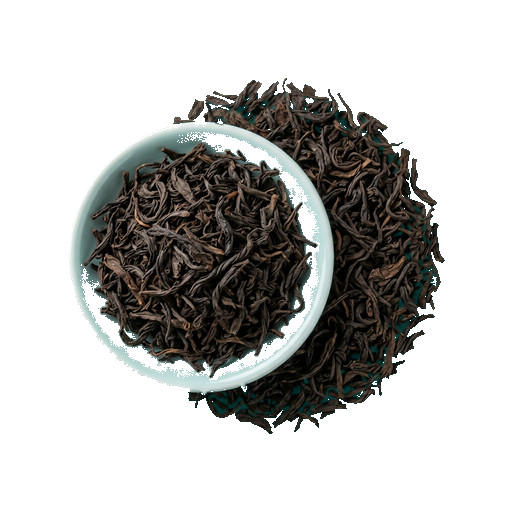
Fully fermented tea with a rich, slightly astringent taste and characteristic aroma that ranges from honey-floral to smoky notes depending on the variety and origin. In cooking, it is used for preparing beverages, adding to marinades, sauces and desserts, as well as an ingredient in dry rubs for meat and fish. When selecting, pay attention to leaf size — larger leaves provide a more delicate flavor, while smaller leaves and dust steep faster and deliver a more intense result.
About
Black tea is the workhorse of the kitchen, functioning not only as a standalone beverage but also as an ingredient. Its rich flavor and strength make it indispensable in cooking: from marinades and sauces to desserts and cocktails. When you brew black tea for cooking, you get a concentrated extract with bitterness, astringency, and deep aromatics that can transform a dish.
Aroma and Taste
Black tea smells of malt, wood, and sometimes floral notes — it all depends on the variety and degree of oxidation. On the palate, it delivers a bitterness that is not sharp, but pleasant and coating. This bitterness is a key element: it balances the sweet and sour components of the dish, adding depth and complexity.
For culinary purposes, black tea is often brewed stronger than usual: more leaves are used or the brewing time is increased. A strong infusion reveals all its qualities and works better in recipes where a pronounced tea note is needed without being watery.
Where to use in cooking
- Marinades for meat and game — black tea softens fibers and adds aroma
- Sauces and glazes — hot infusion well restores flavor when reduced
- Desserts and baked goods — added to dough, creams, mousses for subtle bitterness
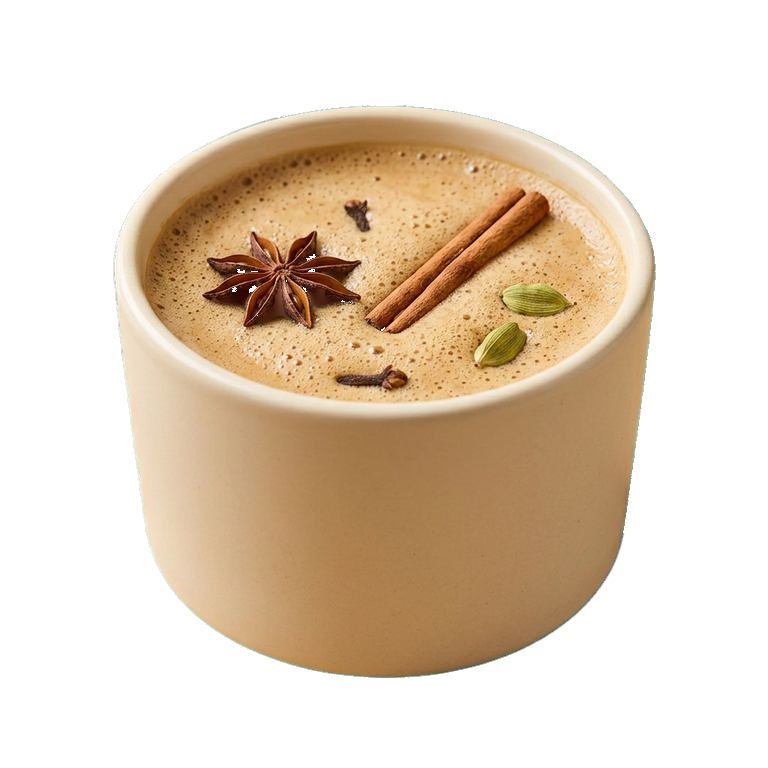
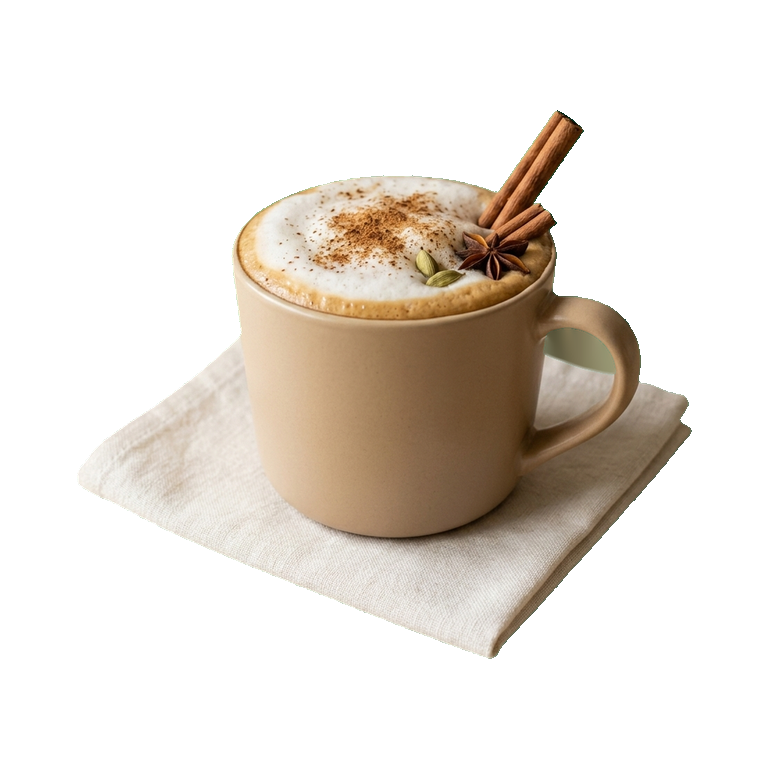
- Cocktails and hot drinks — base for complex mixes with spices
- Jams and compotes — tea emphasizes fruity notes and adds astringency
What pairs with
Black tea pairs well with spices: cinnamon, cloves, ginger, and cardamom. Its astringency balances the sweetness of honey and sugar. With citrus fruits — lemon, orange — you get a classic combination where acidity complements the bitterness. Vanilla and almond soften the tea's harshness, making the flavor more rounded.
Selection and Storage
Any black tea is suitable for cooking — from strong Indian assams to aromatic Kenyan varieties. The main thing is that the tea is fresh: old or long-stored tea loses its aroma and becomes flat. Check the packaging date if it is indicated. Loose leaf tea produces a more saturated brew than tea bags, but in a hurry, tea bags will also do.
Store black tea in an airtight container, away from light, moisture, and foreign odors. It absorbs odors, so keep it separate from spices and aromatic products. With proper storage, quality is preserved for 6–12 months, but it is best to use it within six months.
Tip: if the recipe calls for black tea but you're in a hurry, brew it in hot water for 5–7 minutes before use. For marinades and sauces, you can use room temperature tea — the effect will be the same, just slower.
Nutrition
per 100 g
- Calories
- 0 kcal
- Protein
- 0 g
- Fat
- 0 g
- Carbs
- 0 g
Measures and weight
- 1 tbsp
- 7.5 g
- 1 tsp
- 2.5 g
- 1 cup
- 125 g
- 1 pcs
- 2.5 g
Measure calculator
- Weight
- 100 g
- Calories
- 0 kcal