Usuba
Usuba
Bourbon
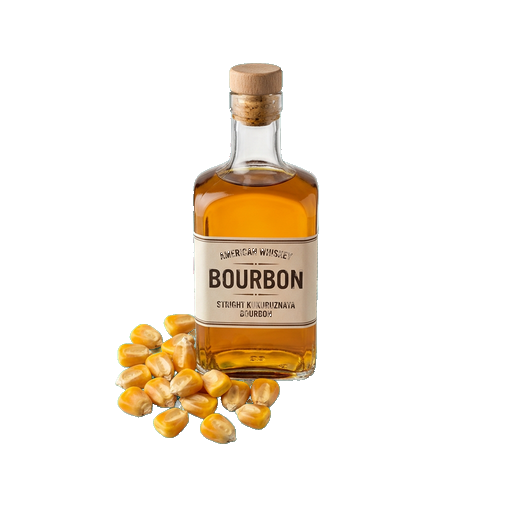
A robust American whiskey with a distinctive sweet taste and notes of vanilla, caramel, and oak. Produced from corn mash and aged in new charred oak barrels, which gives it a golden color and smoothness. In cooking, it is used for meat marinades, sauce preparation, and desserts, where its sweetness balances spicy and salty notes well.
About
Bourbon is an American whiskey that has conquered kitchens around the world not only as a beverage, but also as a cooking ingredient. In culinary applications, it works quite differently than at the cocktail bar: the alcohol evaporates when heated, leaving behind a deep, slightly sweet flavor with notes of vanilla and oak. If you've cooked sauces with wine or cognac, bourbon will reveal to you a similar, but more powerful and rounded technique.
Taste and aroma in the dish
Bourbon smells of grains, caramel, and wood — this is a natural result of aging in charred oak barrels. When you add it to a hot dish, the alcohol quickly evaporates, but leaves behind a sweet-spicy undertone that enriches meat sauces, stews, and even desserts. The flavor is not sharp, but rather rounded and slightly vanilla, so bourbon works well even in delicate dishes if you don't overdo the amount.
Where to use it
- Sauces for meat — beef, pork, duck. Bourbon is added at the end of cooking so it slightly evaporates and infuses the sauce.
- Marinades for meat and fish. Alcohol helps soften the fibers, and the sweetness of bourbon masks any unpleasant odors.
- Desserts and baking — cookies, pastries, chocolate cakes. Here bourbon adds depth without a pronounced alcoholic note.
- Caramel and toffee. A drop of bourbon in hot caramel creates a complex, layered flavor.
- Stewed dishes — beans, rice, vegetables. Bourbon acts as a flavor enhancer, especially when combined with spices.
Pairings with spices and ingredients
Bourbon loves the company of smoky and spicy spices: black pepper, cloves, cinnamon, nutmeg. With them, it creates a warm, cozy backdrop. It works well alongside mustard, soy sauce, and Worcestershire sauce. On the sweet side, its partners are brown sugar, honey, molasses, and black molasses. With fruits, it's better to choose dark and dense ones: cherries, plums, apricots. Bourbon will enhance their tartness and add roundness.
Selection and quantity
For cooking, medium-priced bourbon is suitable — there is no need to use rare aged varieties. The alcohol content usually ranges from 40 to 50%, and this is not critical for the dish: the main thing is that the alcohol completely evaporates when heated. Start with a small amount: one to two tablespoons per serving of meat or sauce. If the taste seems weak, add more, but remember that excess can overpower the other aromas.
Technical moment
Always add bourbon to a hot dish or hot pan — the alcohol will evaporate quickly and you'll avoid a sharp alcoholic taste. If you're making a sauce, pour in the bourbon and let it simmer for 1–2 minutes, stirring. For marinades, you can add bourbon directly to the cold mixture. In baking and cold desserts, the alcohol evaporates in the oven or remains in small amounts — this is normal and adds complexity to the flavor.
Bourbon in cooking is not exotic, but a reliable tool for enhancing flavor. Its woody, slightly sweet notes work in any cuisine that values depth and complexity. Start with a simple meat sauce, and you'll understand why this ingredient has become a classic.
Nutrition
per 100 ml
- Calories
- 235 kcal
- Protein
- 0 g
- Fat
- 0 g
- Carbs
- 0 g
Measures and weight
- 1 tbsp
- 14 g
- 1 tsp
- 4.7 g
- 1 cup
- 232.5 g
Measure calculator
- Weight
- 100 g
- Calories
- 253 kcal