Usuba
Usuba
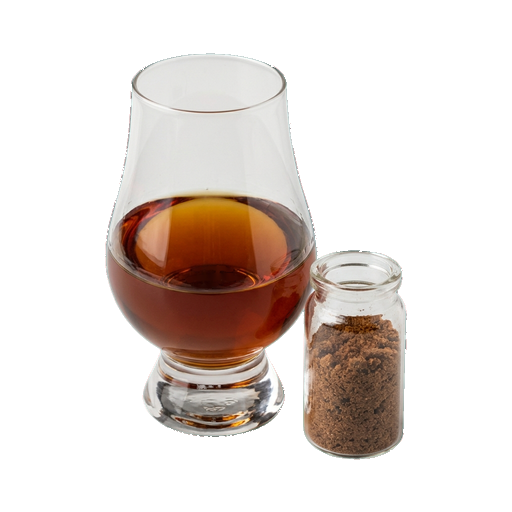
Dark rum
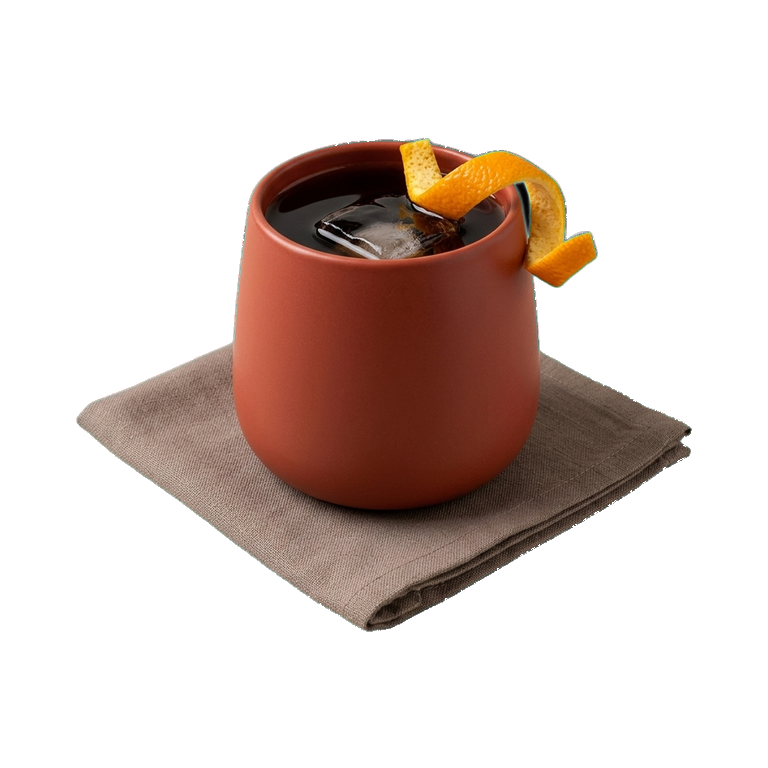
Dark rum is a strong alcoholic beverage aged in oak barrels that develops a deep brown color and rich flavor with notes of caramel, vanilla, and spices. In cooking, it is used for meat marinades, added to sauces, desserts, and baked goods, giving dishes a complex, full-bodied taste and subtle sweetness. When substituting in recipes, consider the strength of the spirit and its sweetness — in some cases, cognac or brandy can be used, though the flavor profile will differ.
About
Dark rum is not just a spirit, but an ingredient with character. In cooking, it works as an amplifier of depth and flavor complexity, adding notes of caramel, spices, and smokiness to dishes. Its rich color and saturated taste make it indispensable in desserts, sauces, and marinades, where a serious flavor base is needed.
Aroma and Flavor Profile
Dark rum smells different from its lighter counterparts. Here, notes of caramel and dark chocolate dominate, with undertones of vanilla and spices — clove, cinnamon, nutmeg. When added to a dish, these aromas don't disappear but transform, creating a multi-layered flavor. The alcohol evaporates quickly when heated, leaving behind precisely this aromatic base.
The taste is bittersweet with a light smokiness. The rum leaves warmth and a slight astringency in the mouth. This quality helps balance sweet desserts and rich sauces, preventing cloying flavors.
Where and how to use
- Desserts and baking: add to cake batter, gingerbread, chocolate cakes. Even 2–3 tablespoons will give baked goods depth and aroma.
- Sauces and glazes: dark rum is ideal for chocolate sauces, caramel glazes, meat sauces. It binds ingredients and adds complexity.
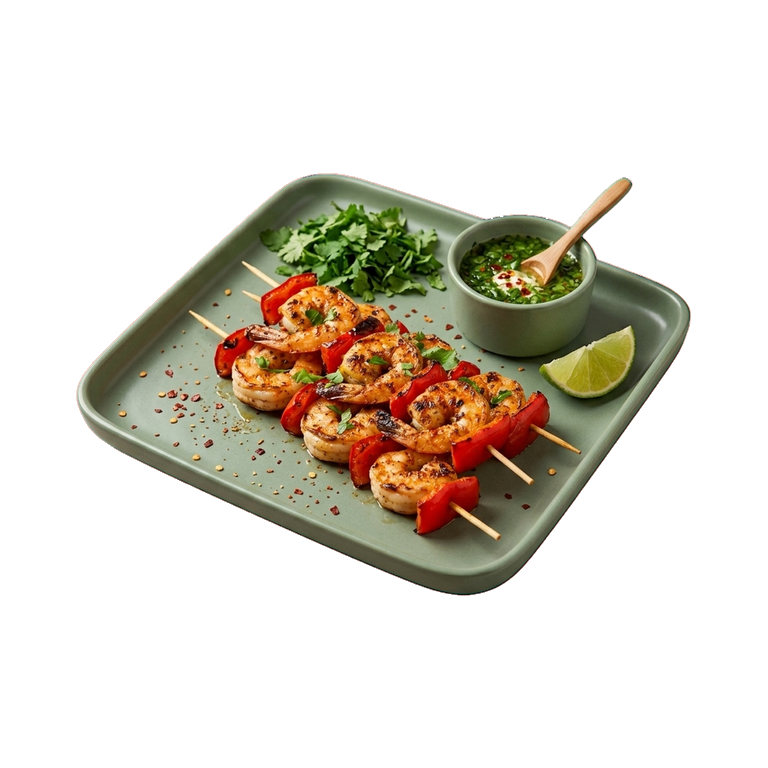
- Marinades: rum works well in marinades for pork, beef, and poultry, especially when spices and brown sugar are included.
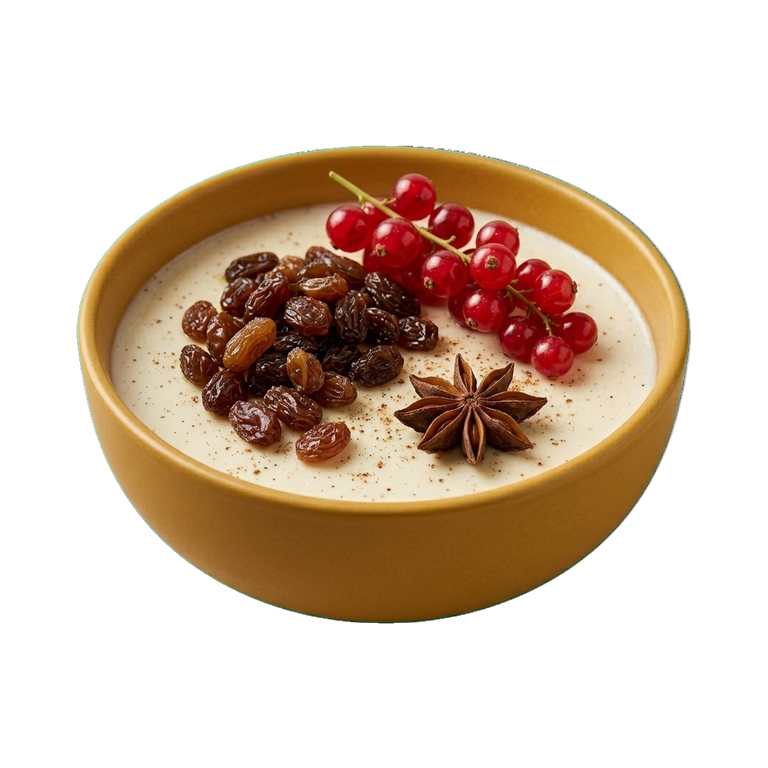
- Fruits and berries: dried fruits or berries soaked in rum become an ingredient for fillings, compotes, and dessert sauces.
- Creams and mousses: add rum to buttercream, panna cotta, or mousse for sophistication.
Successful Pairings
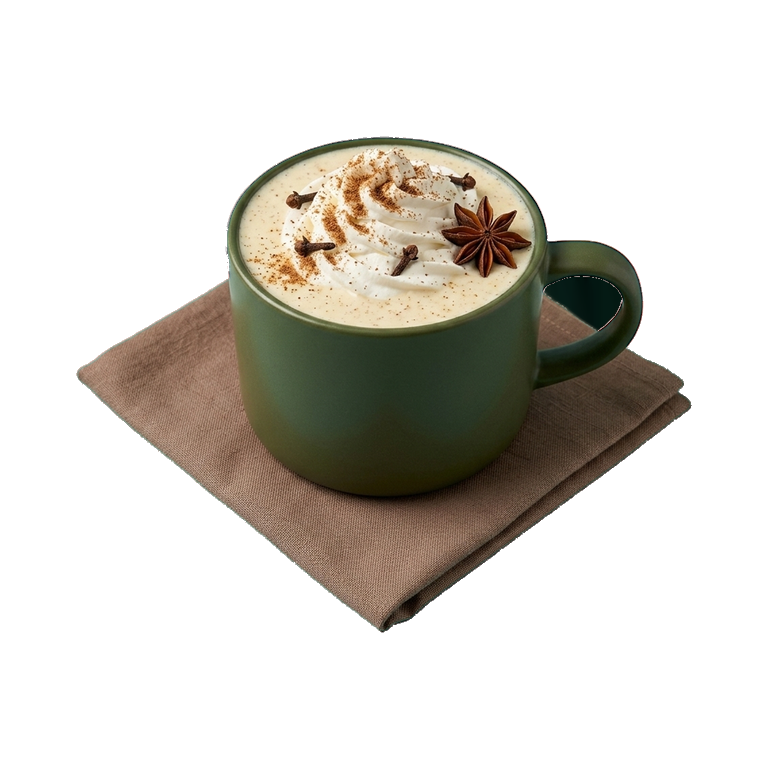
Dark rum pairs well with chocolate, vanilla, cinnamon, and cloves. Its caramel notes emphasize the sweetness of cocoa and brown sugar. With coconut and pineapple, rum creates a tropical mix. Don't forget about spices: black pepper, ginger, and cardamom will enhance its spicy profile.
Selection and Storage
You don't need premium rum for cooking. Choose rum with a strength of 37–40 degrees and a rich dark color. Check that the composition doesn't contain unnecessary additives and colorants. Cheap rum often contains artificial flavorings — it's better to avoid such options.
Store rum in a tightly sealed bottle in a cool, light-protected place. When stored properly, rum does not spoil for years. Use an opened bottle within a year — alcohol evaporates slowly, but the aroma is preserved.
Tip: before using rum in a dish, try it neat. This way you'll understand its flavor profile and be able to dose it correctly so as not to overpower other flavors.
Nutrition
per 100 ml
- Calories
- 220 kcal
- Protein
- 0 g
- Fat
- 0 g
- Carbs
- 0 g
Measures and weight
- 1 tbsp
- 14 g
- 1 tsp
- 4.7 g
- 1 cup
- 232.5 g
Measure calculator
- Weight
- 100 g
- Calories
- 237 kcal