Usuba
Usuba
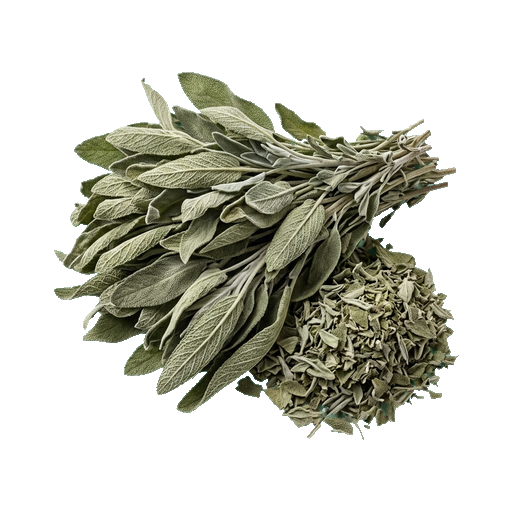
Dried sage
Dried sage has a rich herbal aroma with a slight bitterness and spicy notes, while the flavor becomes more concentrated and somewhat astringent. It is a versatile seasoning for meat dishes, soups, sauces, and stuffings, and pairs especially well with poultry and pork. When using dried sage, it is important to remember that it is much more intense than fresh sage, so it should be added in smaller quantities—approximately one-third of the amount of fresh herbs.
About
Dried sage is not just a seasoning, but a real workhorse in the kitchen. When fresh sage loses moisture, its flavor becomes more concentrated, sharper, with a bitter undertone. A single pinch of dried sage can completely change the character of a dish, so it should be handled with respect and without overcomplicating things.
Aroma and flavor profile
Dried sage smells of wood, earthiness, and camphor — a strong, almost sharp scent. On the palate, it delivers bitterness with a slight peppery note, and the aftertaste lingers long. This intensity means you need to be careful with dosage: half a teaspoon is often enough for a dish serving four people.
Where sage opens fully
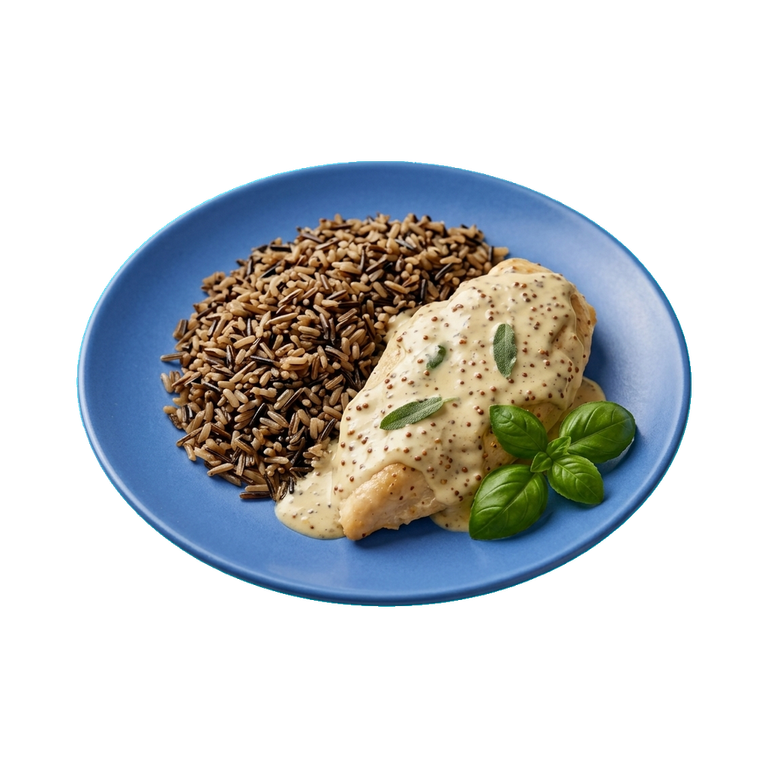
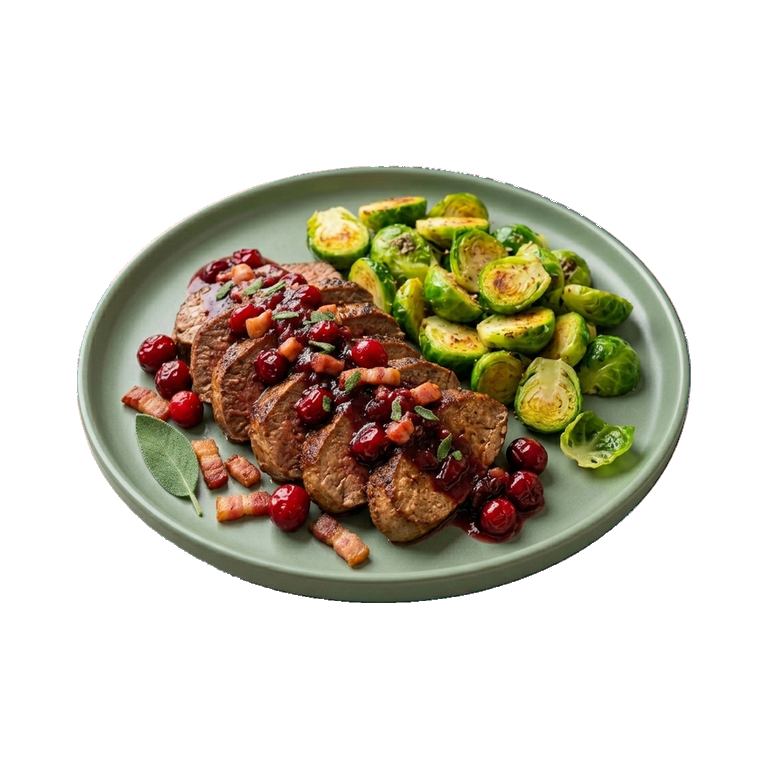
- In meat dishes — especially with chicken, pork, and game. Sage suppresses the heaviness of fat and adds nobility to the dish.
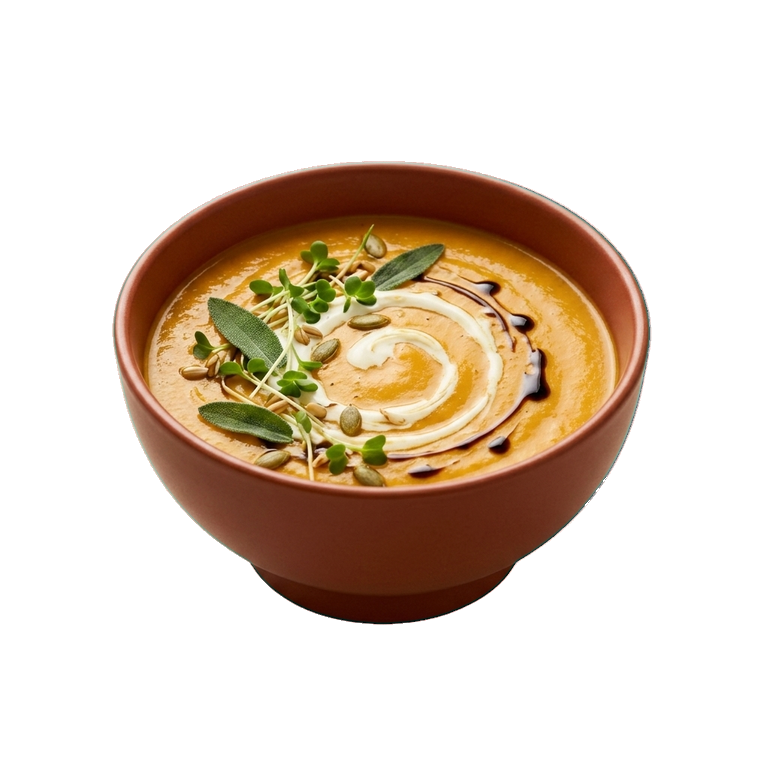
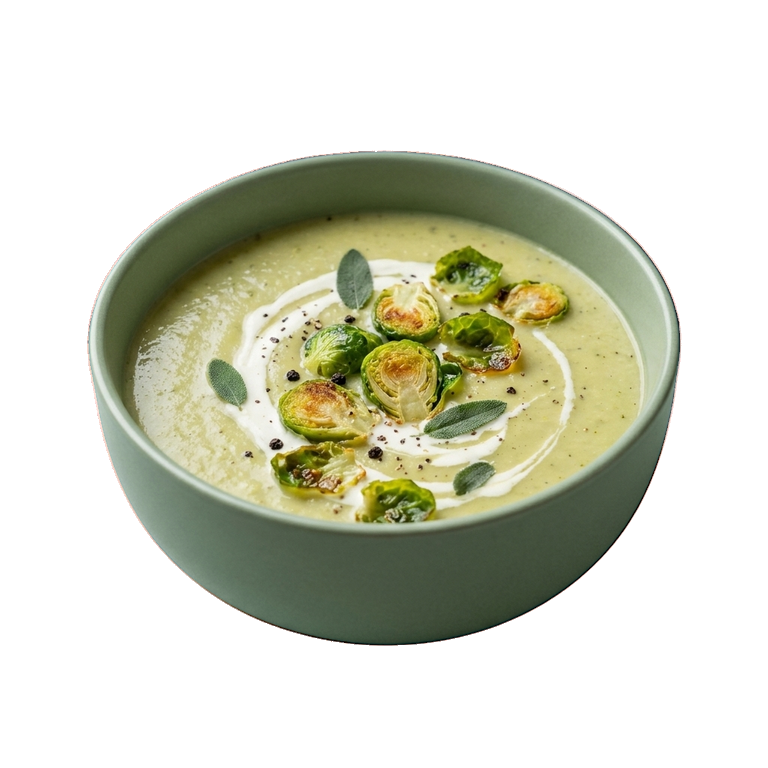
- In soups and broths — a few leaves are placed in the pot together with vegetables and meat, and they gradually release their aroma.
- In stuffing and sausages — a classic combination that makes the filling more aromatic and structured.
- In bread and buns — a little sage in the dough or filling gives the bread a piquant flavor.
- In cream sauces — sage balances the richness and adds depth.
Successful pairings in the kitchen
Sage works well with rosemary, thyme, and bay leaf — they speak the same language and don't conflict. Garlic and onion only enhance its expressiveness. If you add sage to oil with cream cheese, you get an aromatic paste for bread or vegetables. With lemon and orange, sage creates an unexpected but pleasant contrast.
Selection and Storage
Good dried sage should be gray-green in color with whole leaves, not in the form of powder. Smell it before buying — the aroma should be clear and pleasant, without mustiness. If the smell is weak or smells musty, it's better to look for another package.
Store sage in an airtight container or glass jar in a dark place away from the stove and direct sunlight. When stored properly, it maintains its potency for about a year, but its aroma weakens with each month. Therefore, it's better to buy small portions and use it more frequently.
Remember: dried sage should not be added at the very end of cooking. It is better to add it 10-15 minutes before the dish is ready so that it has time to release its flavor and aroma, but does not turn into bitter ash.
Nutrition
per 100 g
- Calories
- 315 kcal
- Protein
- 10.6 g
- Fat
- 15.6 g
- Carbs
- 40.3 g
Measures and weight
- 1 tbsp
- 4.5 g
- 1 tsp
- 1.5 g
- 1 cup
- 75 g
- 1 bunch
- 15 g
- 1 sprig
- 0.5 g
Measure calculator
- Weight
- 100 g
- Calories
- 315 kcal