Usuba
Usuba

Espresso
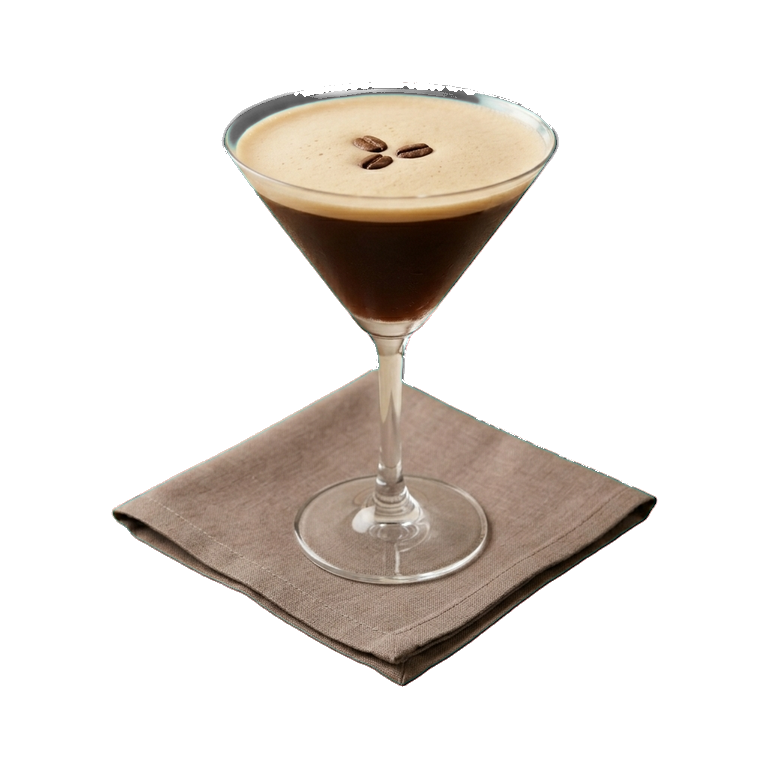
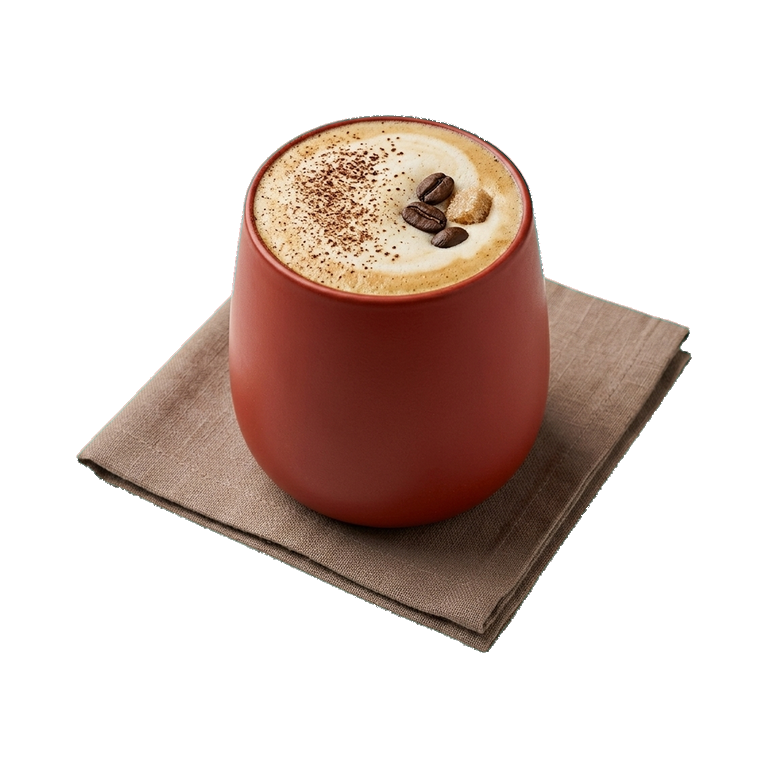
A strong coffee beverage made by forcing hot water under pressure through ground coffee beans. Characterized by a rich, intense flavor with bitter notes and a dense consistency, often topped with light crema. Used as a base for other coffee drinks—cappuccino, latte, americano—or served independently in small portions for a quick invigorating effect.
About
Espresso is not just coffee, but a brewing method that transformed the beverage into a concentrated essence of flavor. Hot water under pressure passes through ground coffee beans in mere seconds, creating a dense, intense drink with a characteristic crema on top. In culinary arts, espresso works as an ingredient, not just as a beverage — its deep, slightly bitter taste and strength make it an indispensable helper in the kitchen.
Aroma and taste
Good espresso smells rich and pleasant — it's a blend of roasted beans, subtle bitterness, and sometimes fruity or nutty notes. The taste is full-bodied, concentrated, with pronounced bitterness that should not be unpleasant, but rather noble and well-balanced. The quality directly depends on the degree of bean roasting and their grind — the finer it is, the more intense the extraction.
Role in dishes and beverages
- Base for coffee drinks: latte, cappuccino, americano, macchiato — they all start with one or more shots of espresso
- Ingredient in desserts and baking: tiramisu, coffee cakes, mousse, panna cotta — espresso adds depth and refinement
- Component of marinades and sauces: its bitterness emphasizes the taste of meat and chocolate sauces
- Flavoring for ice cream, panna cotta and other cold desserts
Successful Combinations
Espresso works perfectly with dairy products — cream, milk, mascarpone. Chocolate and espresso are a classic pairing that enhances each other. With vanilla, cinnamon, and nutmeg, espresso creates warm, cozy flavor combinations. In savory dishes, its bitterness contrasts with the sweetness of caramel or sugar, creating balance.
Selection and Storage
For culinary purposes, you can use freshly brewed espresso, instant coffee dissolved in hot water, or even strong black coffee. If you're cooking at home, make sure the coffee is fresh — the beans should have been roasted no more than a month ago. Ready-made espresso is best used immediately while it's hot and aromatic. If you need to store it, cool it down and keep it in the refrigerator for no more than a day.
If a recipe calls for espresso and you don't have it on hand, you can substitute it with strongly brewed black coffee or dissolve instant coffee in a small amount of hot water — the main thing is that the drink should be intense and hot.
Nutrition
per 100 ml
- Calories
- 2 kcal
- Protein
- 0.1 g
- Fat
- 0 g
- Carbs
- 0.3 g
Measures and weight
- 1 tbsp
- 15 g
- 1 tsp
- 5 g
- 1 cup
- 250 g
Measure calculator
- Weight
- 100 g
- Calories
- 2 kcal