Usuba
Usuba
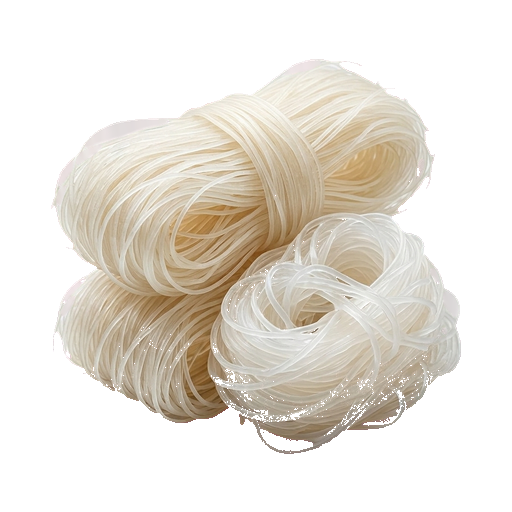
Funchoza
Funchoza is thin transparent noodles made from starch, most often potato or cassava, which become soft and slightly chewy when cooked. Its neutral flavor absorbs the aromas of sauces and spices well, making the noodles ideal for Asian salads, soups, and hot dishes with bright dressings. When choosing, pay attention to the integrity of the noodles in the package and prefer options without added dyes. Cook funchoza for a short time—just 3–5 minutes—so it doesn't turn into mush.
About
Funçhoza is a thin transparent noodle made from starch that has become familiar on tables thanks to Asian cuisine. Its main distinguishing feature is that it does not absorb moisture the way wheat pasta does, but remains elastic and slightly slippery even after cooking. This is precisely why it is so convenient to use in salads and hot dishes — it maintains its texture and does not fall apart.
Taste and texture
Cellophane noodles are virtually neutral in taste — that's their main advantage. They work like a canvas for sauces and add-ons, absorbing their aromas and allowing them to shine in full. Texture is what makes them special: after proper cooking, the noodles become soft but retain a slight elasticity, almost like jelly that you can chew.
How to cook
Cooking glass noodles is simple, but there's a trick — they're easy to overcook. Usually 3–4 minutes in boiling salted water is enough. Some chefs pour boiling water directly over them in a bowl and let them steep for 5 minutes — the result is often even better. After cooking, drain the noodles in a colander and rinse with cold water to stop the cooking process and prevent them from sticking together.
Where to use
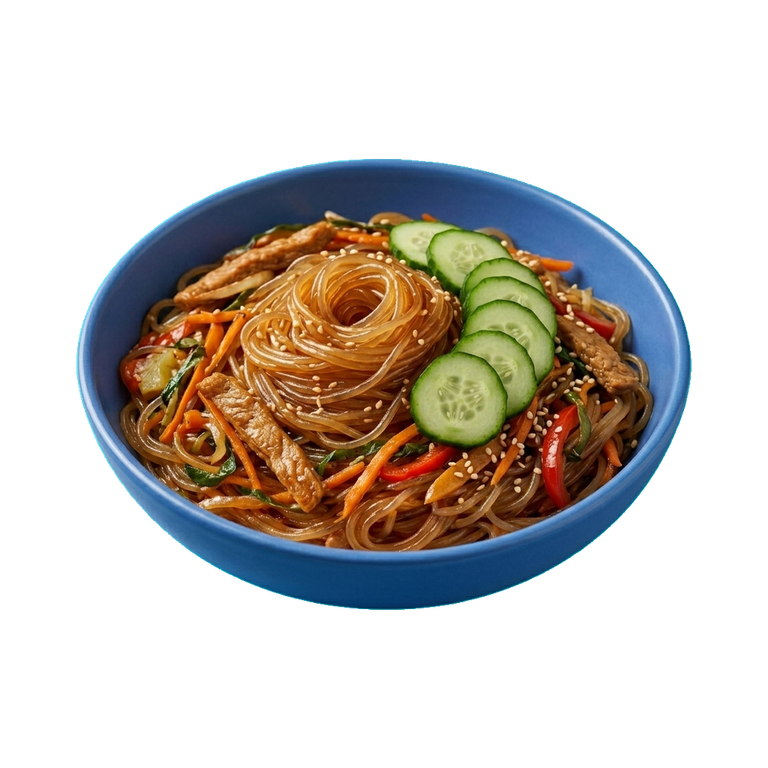
- Cold salads with vegetables, meat or seafood — vermicelli will absorb the dressing and become even more delicious after an hour.
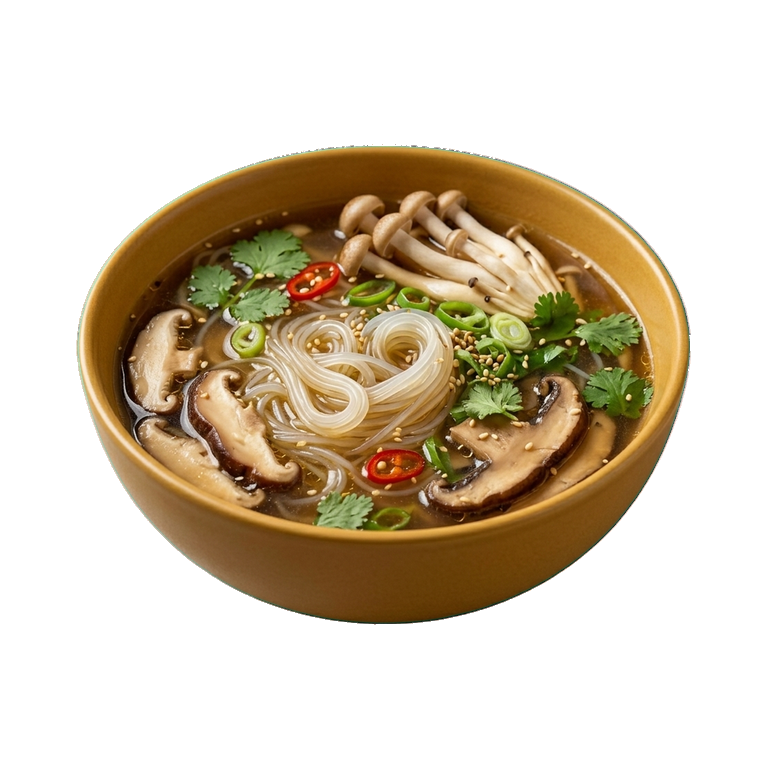
- Hot soups and broths — add at the end of cooking so it doesn't fall apart.
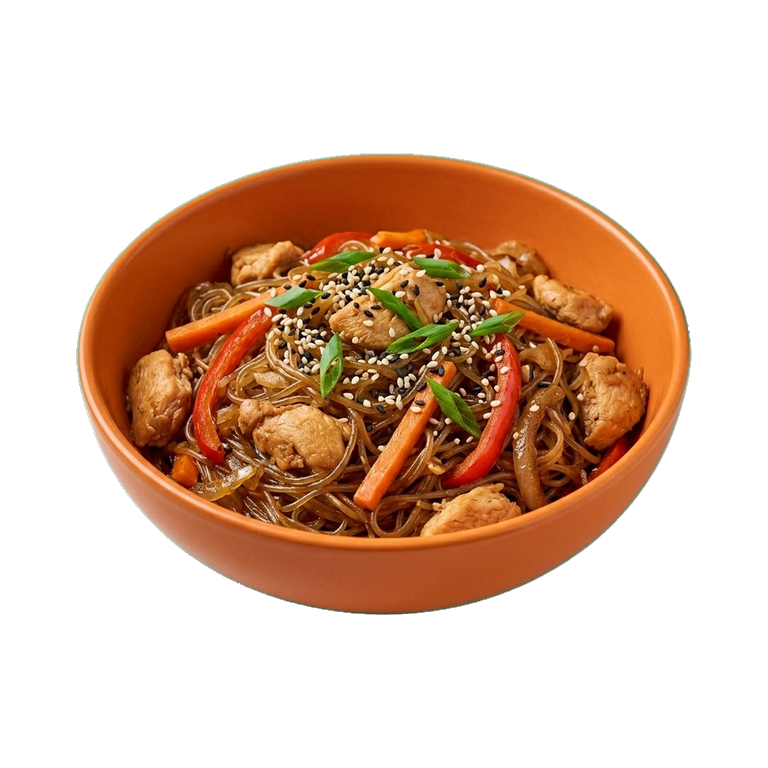
- Stir-fried dishes in a wok — noodles hold their shape well and don't stick to the pan.
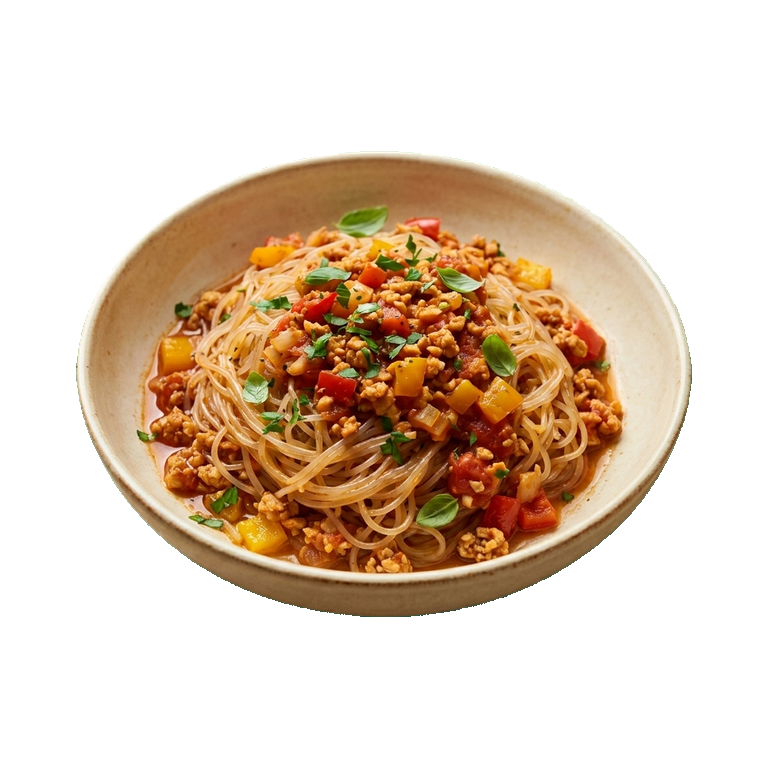
- Side dish for meat or fish instead of rice or potatoes.
What it pairs with
Mung bean noodles work perfectly with spicy, sour, and sweet sauces. They pair well with soy sauce, lemon juice, sesame oil, and hot peppers. Vegetables — carrots, cucumber, cabbage, radish — provide the right textural contrast. Meat, chicken, shrimp, and peanuts complement the dish with nutrition and flavor depth.
Selection and Storage
When choosing, look at the transparency of the noodles — it should be even, without yellow or brown spots. The packaging should be intact, without moisture inside. Funchoza is stored for a long time in a dry place at room temperature — in a sealed container or in the original packaging it maintains quality for months. After opening, transfer the remainder to an airtight container so the noodles don't absorb moisture and odors.
Practical Tips
- If the glass noodles are clumped in the package, break them up with your hands before cooking — this will help them distribute better in the water.
- For salads, prepare the noodles in advance and let them cool — this will make it easier to assemble the dish.
- Don't overcook — overcooked glass noodles become soft and lose their pleasant elasticity.
- Add a little oil to the cooking water so the noodles don't stick together.
Nutrition
per 100 g
- Calories
- 320 kcal
- Protein
- 0.4 g
- Fat
- 0.1 g
- Carbs
- 81 g
Measure calculator
- Weight
- 100 g
- Calories
- 320 kcal