Usuba
Usuba
Beef shoulder
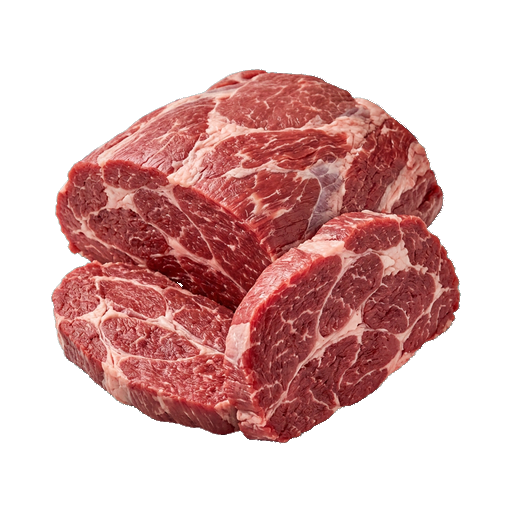
Beef chuck is a large cut of meat from the upper front leg of the animal, containing muscles with layers of connective tissue and fat. Due to its high collagen content, it is ideal for long, slow braising, boiling, and stewing, becoming tender and juicy meat. When selecting, pay attention to the color — it should be bright red, and the meat should be firm and free of any off-odors; if substituting, beef brisket or neck work well, as they also require moist heat cooking methods.
About
Why a Spatula is a Universal Choice
Beef chuck is a working muscle of the animal, so it contains sufficient connective tissue and fat. This is precisely what makes it ideal for prolonged heat treatment: the meat becomes tender, and the broth becomes rich and aromatic. Chunks of chuck hold their shape well during boiling and stewing, without falling apart into fibers like the more tender parts of the carcass.
The price of chuck is noticeably lower than steak cuts, but this doesn't mean a compromise on flavor — it simply requires respecting the cooking time. Two to three hours of braising or stewing transforms the dense, fibrous meat into tender and aromatic dishes. This meat generously imparts its flavor to broths and sauces, making them deep and full-bodied.
Where and how to use it
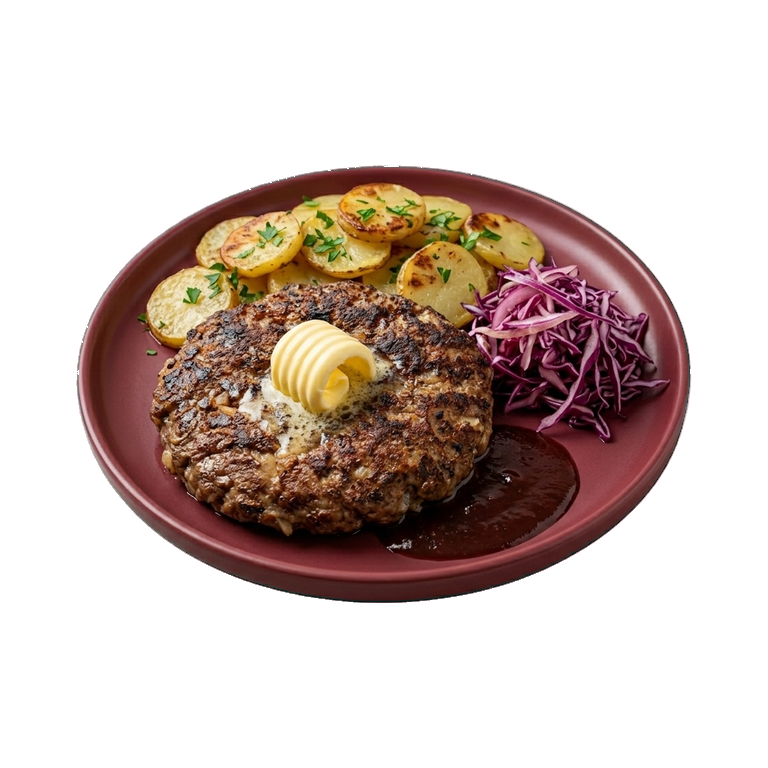
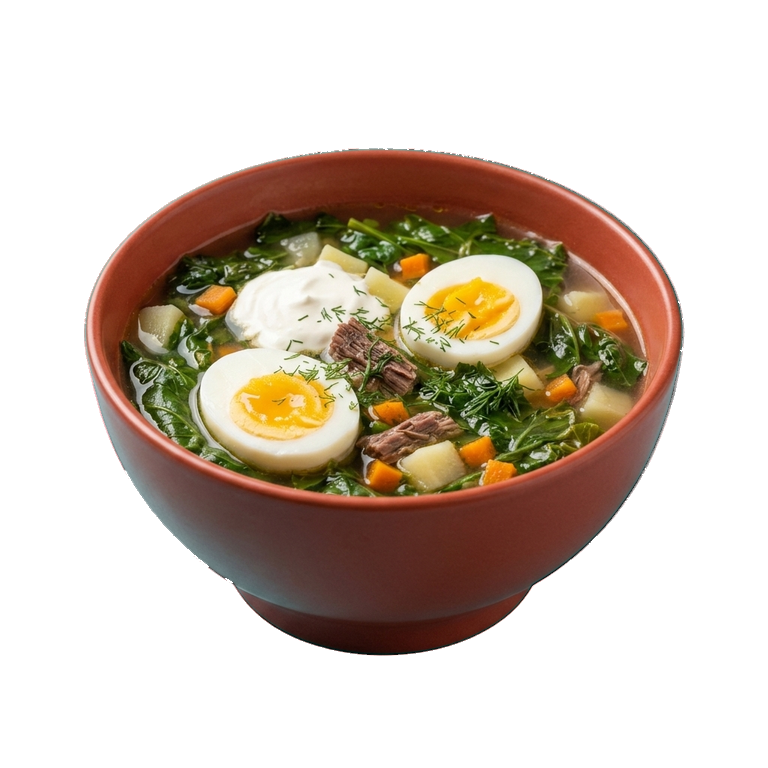
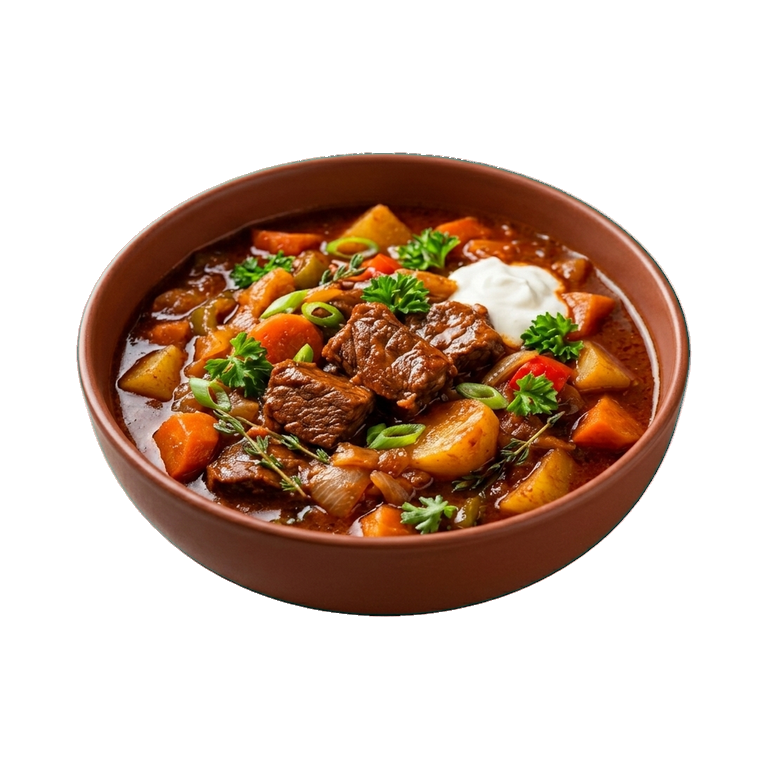
Shoulder is the queen of soups, stews, and slow braising. It is added to borscht, cabbage soup, and meat broths, where it enhances the flavor and simultaneously becomes a good appetizer. Shoulder yields tender and juicy meatballs, cutlets, and ground meat for dumplings. Large pieces are suitable for hot smoking or braising in the oven whole.
- Soup and broth — cook for 2–3 hours over medium heat
- Stewing in a pot or cauldron — 2–2.5 hours at a temperature of 160–180 °C
- Ground meat and cutlets — meat becomes tender and holds its shape
- Smoking — large pieces give beautiful results
Selection and Storage
When choosing, pay attention to the color — meat should be bright red or dark red, without gray spots or coating. The fat on the surface should be white or cream-colored. Fresh meat springs back when pressed, and the smell is pleasant, meaty, without sour or strange notes.
Store chilled shoulder blade in the refrigerator for no more than 3–4 days in the coldest part. If you plan to cook it later — freeze it. Frozen meat keeps for 4–6 months. Before cooking, thaw it in the refrigerator, not at room temperature, to preserve quality.
Shoulder takes time, but gives it generously — with rich broth, tender meat, and deep flavor. This is meat for patient cooks who believe in the power of slow braising.
Nutrition
per 100 g
- Calories
- 130 kcal
- Protein
- 20 g
- Fat
- 5 g
- Carbs
- 0 g
Measure calculator
- Weight
- 100 g
- Calories
- 130 kcal