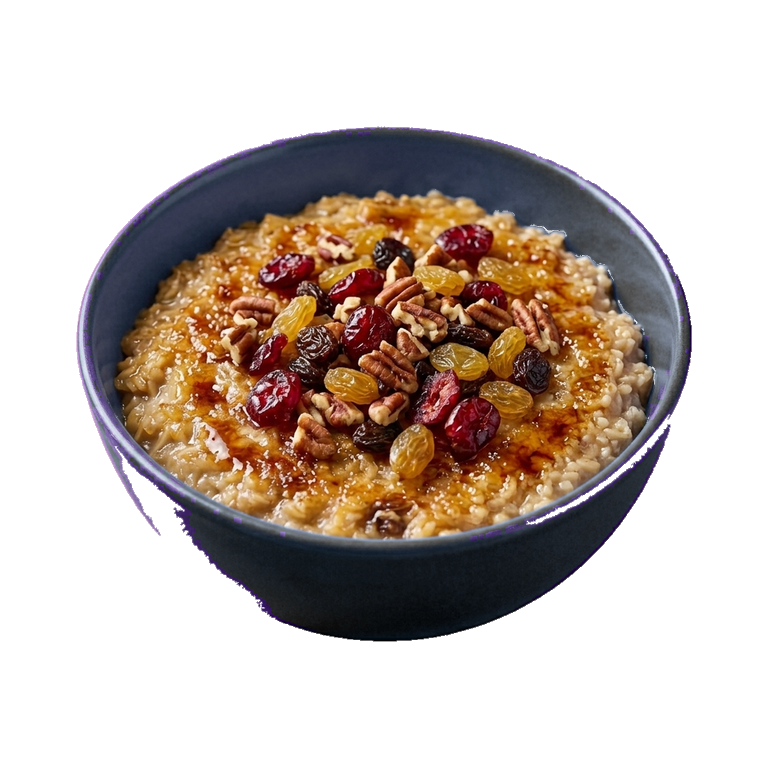
Usuba
Usuba
Hercules
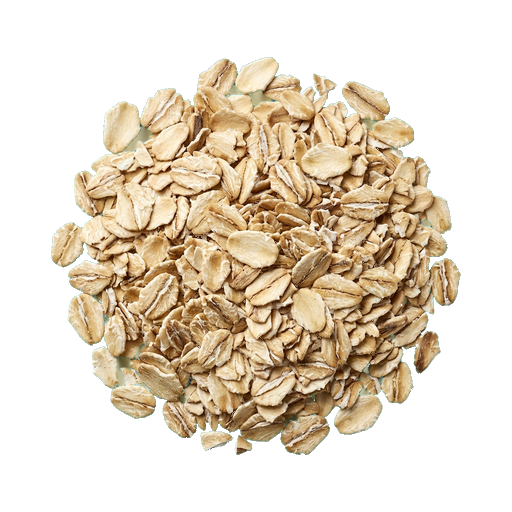
Hercules is oat flakes obtained by flattening grains, which cook quickly and have a tender texture. They contain a high percentage of fiber and are well suited for porridges, baking, and desserts. When choosing, pay attention to the size of the flakes: thinner ones cook in a few minutes, while larger ones require longer cooking and give a grainier consistency.
About
Hercules is oat flakes obtained by flattening grains. They cook quickly, soften well, and become tender while maintaining a pleasant texture. Such flakes are found on the shelves of almost every store, and for good reason: they are versatile, nutritious, and save time in the kitchen.
Taste and texture
Hercules has a soft, slightly sweet taste with a subtle nutty undertone. The texture depends on cooking time: if cooked briefly, the flakes retain a light crunch, if cooked longer, they become creamy and melt in your mouth. This allows you to prepare both thick porridges and thin, almost soup-like dishes.
How to cook and use
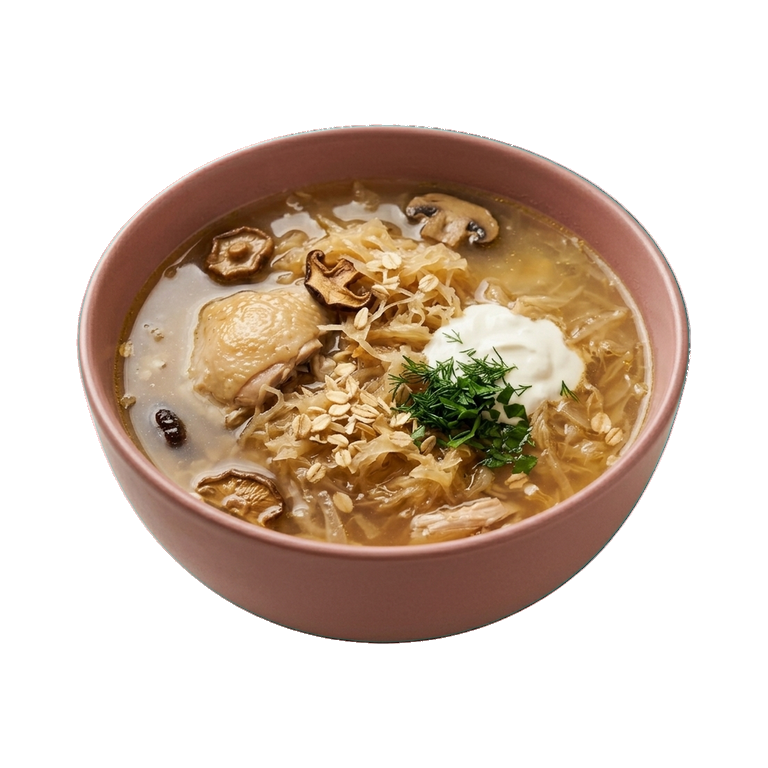
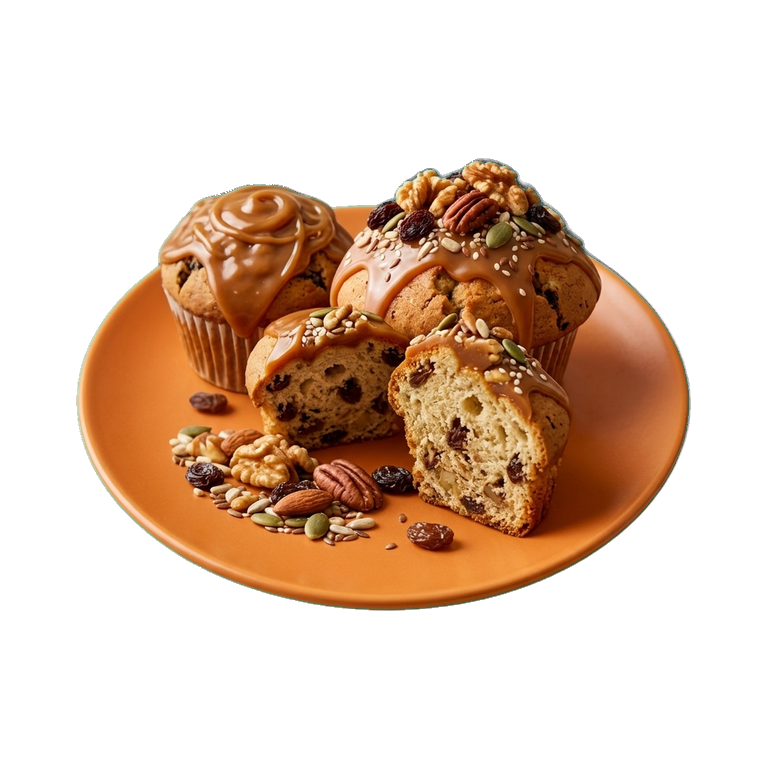
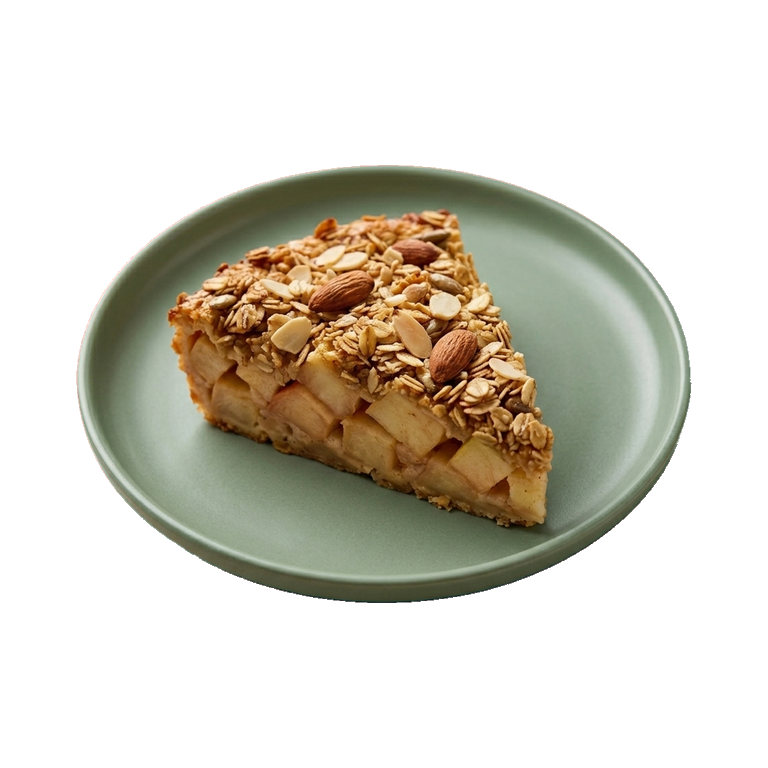
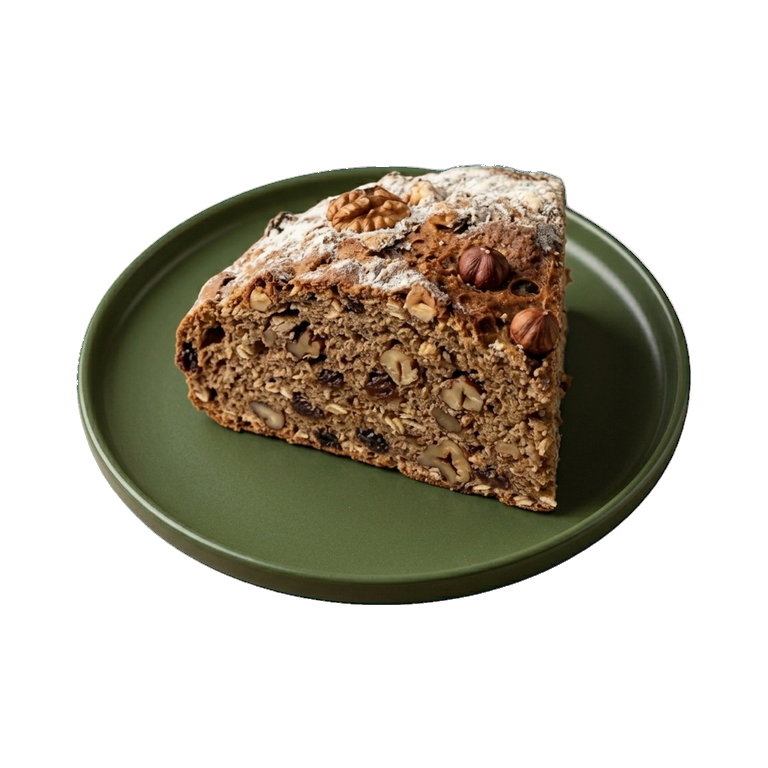
The classic option is milk porridge for breakfast. Pour the cereal with hot milk or water in a ratio of approximately 1:2, let it sit for 5–7 minutes or cook over medium heat, stirring. Add salt, sugar, or honey to taste. But oatmeal works in other roles too: it's added to casseroles, used as a base for homemade granola, added to cutlets for juiciness, used to make cookies, and even used as a breading.
- With fruits: banana, berries, apple, pear — they provide freshness and sweetness
- With nuts and seeds: walnuts, almonds, sunflower seeds add crunch and nutrition
- With dairy products: kefir, yogurt, cottage cheese create a satisfying breakfast
- With spices: cinnamon, vanilla, cocoa enhance aroma and flavor
- With honey and dried fruits: raisins, apricots, prunes add sweetness and texture
Selection and Storage
When buying, check the packaging: the flakes should be whole, without dust or foreign odors. Pay attention to the packaging date — fresh oatmeal cooks better. Store in a tightly sealed container in a dry, cool place, away from direct sunlight. This way the flakes will retain their properties for several months. If you notice a musty smell or see signs of moisture — it's better not to use it.
Tip: if you want fluffier porridge, first toast the oats in a dry pan for a couple of minutes — this will reveal their aroma and make the texture more interesting. And if you're cooking for small children, grind the oats in a blender before cooking — the porridge will be more delicate.
Nutrition
per 100 g
- Calories
- 366 kcal
- Protein
- 12.3 g
- Fat
- 6.1 g
- Carbs
- 61.8 g
Measures and weight
- 1 tbsp
- 6 g
- 1 tsp
- 2 g
- 1 cup
- 100 g
Measure calculator
- Weight
- 100 g
- Calories
- 366 kcal