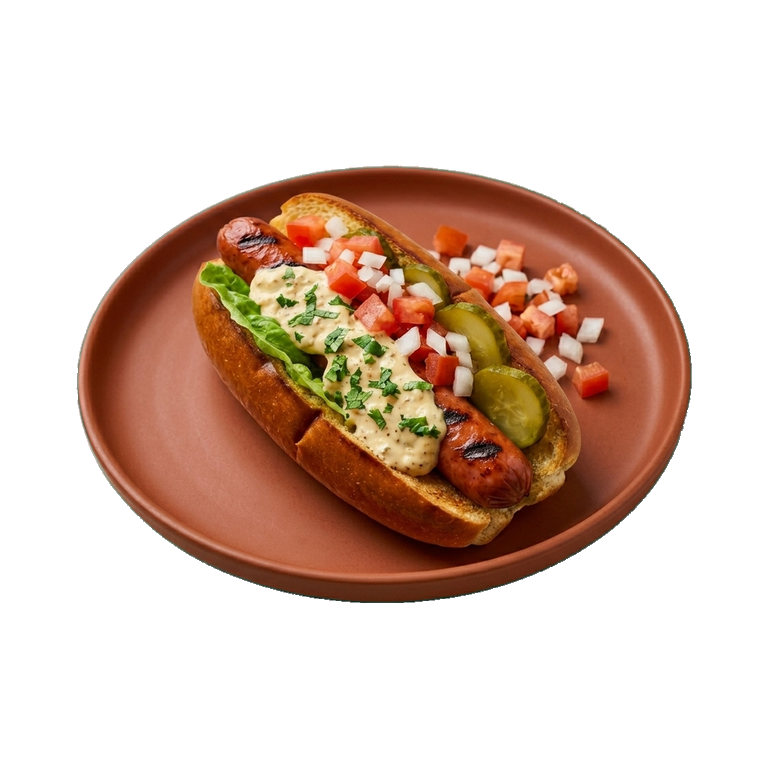
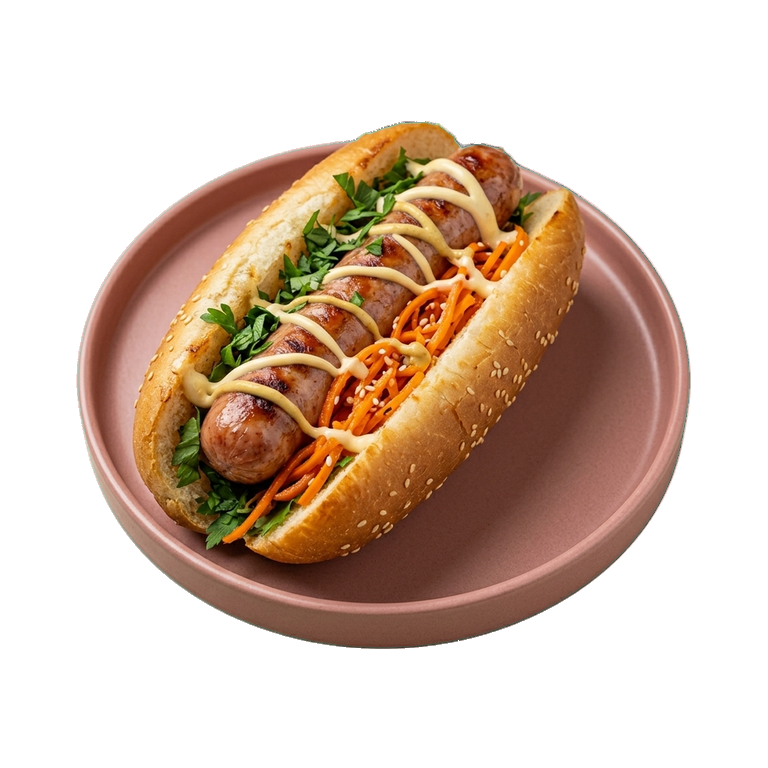
Usuba
Usuba
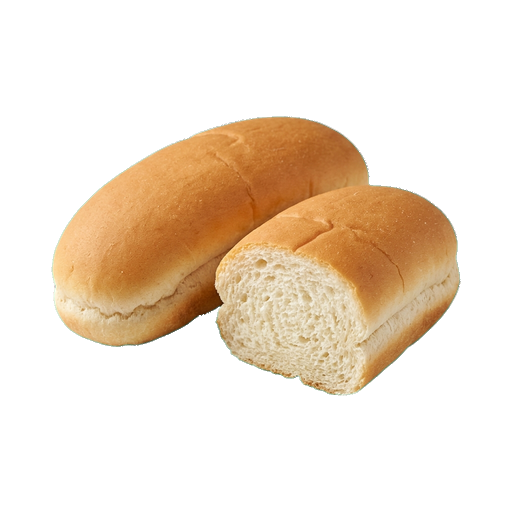
Hot dog bun
A soft wheat bun with an elongated shape, specially designed for hot dogs. It features a tender crumb and a thin crispy crust that doesn't fall apart when bitten and holds fillings well. When selecting, look for freshness and elasticity—the bun should quickly return to its original shape after pressing. If substituting, you can use regular soft buns or sandwich bread, though they will be less convenient to use.
About
A hot dog bun is not just a wrapper for a sausage. It is the foundation that either saves the dish or ruins it. A good bun should be soft inside but hold its shape; have a thin crust that doesn't fall apart at the first bite; and have a neutral enough flavor not to compete with the filling. That's why it's worth understanding what to look for when choosing one.
Structure and Texture
A proper hot dog bun has an elongated shape with a lengthwise cut, but not all the way through — the edges remain connected. The crumb should be porous and airy, almost like a cloud. The crust is thin, slightly crispy, but not hard. When you squeeze the bun with your fingers, it springs back and returns to its original shape — this is a sign of good dough and proper fermentation. A bun that's too dense will press down on the filling and crush it; one that's too loose will fall apart at the first bite.
Taste and Aroma
A hot dog bun should have a soft, slightly sweet taste — this is the result of using milk, butter, and sometimes a small amount of sugar in the dough. The aroma of a fresh bun is warm and bread-like, without sharp or foreign notes. If the bun smells sour or musty, this is a sign of violated storage conditions or expired shelf life. A good aroma is the first signal that you have a quality product in front of you.
How to Choose and Store
- Check the integrity of the packaging — the buns should not be crumpled or crushed.
- Pay attention to the production date and expiration date. Fresh buns are best used on the day of purchase or the next day.
- When pressed, the bun should spring back slightly rather than leave an indent.
- Store buns at room temperature in a sealed bag or container — this will keep them soft longer.
- If the buns start to become stale, you can slightly moisten them and warm them in the oven at 160 °C for 2–3 minutes.
Role in dishes
A hot dog bun is versatile. Of course, its main purpose is to hold a sausage with sauces and toppings, but it works well with other fillings too: sausage, bacon, cheese, vegetables. Some chefs use such buns for mini-sandwiches or even for dessert compositions. The main thing is that the bun should be strong enough not to fall apart under the weight of the filling, but at the same time soft enough to be pleasant to chew.
Practical tip
If you are making hot dogs at home, lightly toast the bun on the inside with butter — it will become even softer, acquire a light golden color, and will better hold the moist filling.
Nutrition
per 100 g
- Calories
- 280 kcal
- Protein
- 8.5 g
- Fat
- 4 g
- Carbs
- 50 g
Measures and weight
- 1 pcs
- 60 g
Measure calculator
- Weight
- 100 g
- Calories
- 280 kcal