Usuba
Usuba
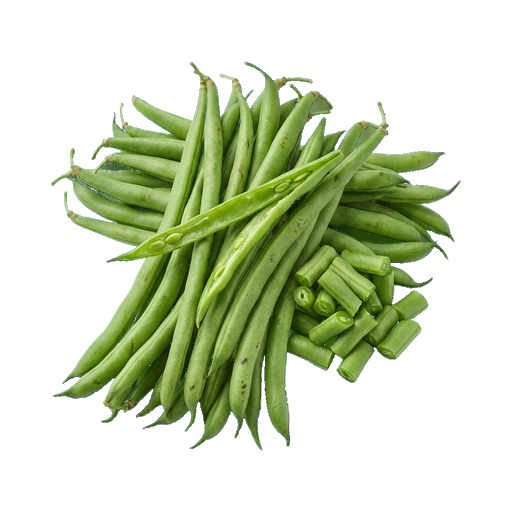
Kenyan beans
Kenyan beans are long pods with tender flesh and thin skin, harvested unripe and cooked whole. They have a delicate, slightly sweet flavor with herbaceous notes and a crispy texture when properly cooked. Perfect for quick stir-frying, steaming, or adding to vegetable side dishes — the key is not to overcook them to preserve their firmness and vibrant green color.
About
Kenyan beans are long, thin pods that are harvested immature and eaten whole, together with their tender skin. Unlike the familiar shelled beans, here it is the pod itself that is valued: crispy, slightly sweet, with a barely perceptible grassy note. Such beans are often called asparagus beans or string beans, and they have long been a regular fixture in European and Asian cuisines.
Taste and texture
The main advantage of Kenyan beans is their tender, almost crispy texture. With proper heat treatment, the pod remains firm and doesn't turn into mush. The taste is delicate, slightly sweet, with a hint of greenery, without sharp herbal notes. This makes it a versatile vegetable that doesn't overpower sauces and doesn't compete with other ingredients on the plate.
Where to use
- In hot side dishes: fry in butter with garlic and salt
- In salads: lightly boil, cool and add to greens with lemon dressing
- In Asian dishes: quickly stir-fry in a wok with soy sauce and ginger
- In soups: add at the end of cooking to preserve crunchiness
- In vegetable assortments: combine with carrots, peppers, broccoli
How to Cook
Kenyan beans don't require soaking or prolonged boiling — a big plus for busy cooks. Before cooking, trim the ends of the pods and, if desired, remove the side string (although it's not tough at all). Cooking time in boiling salted water: 5–7 minutes for a tender pod, 3–4 minutes if you prefer it to remain firm. For pan-frying, 5–6 minutes over medium heat is sufficient.
Food Pairings
- Garlic, lemon, olive oil — a classic trio for the European table
- Soy sauce, ginger, sesame — for Asian dishes
- Tomatoes, basil, parmesan — in Mediterranean style
- Cream, nutmeg — for a delicate side dish with meat or fish
Selection and Storage
Look for bright green pods without spots, dents, or signs of wilting. They should be flexible but not soft. If the pod snaps with a crunch — that's perfect. Avoid thick, woody specimens: they have tough fibers and a less tender taste.
Store beans in the refrigerator in a plastic container or bag with holes for air circulation. They keep well for 5–7 days, but it's best to use them within 3–4 days while the pods are at their crispest. Frozen Kenyan beans are cooked directly from the freezer without thawing beforehand — this saves time and preserves the texture.
Kenyan beans are great because they don't require complex preparation and cook quickly. This is an ideal vegetable for weekday dinners when you need a delicious and nutritious side dish in 10 minutes.
Nutrition
per 100 g
- Calories
- 31 kcal
- Protein
- 1.8 g
- Fat
- 0.2 g
- Carbs
- 3.6 g
Measures and weight
- 1 tbsp
- 3 g
- 1 tsp
- 1 g
- 1 cup
- 50 g
- 1 bunch
- 150 g
Measure calculator
- Weight
- 100 g
- Calories
- 31 kcal