Usuba
Usuba
Kimchi sauce
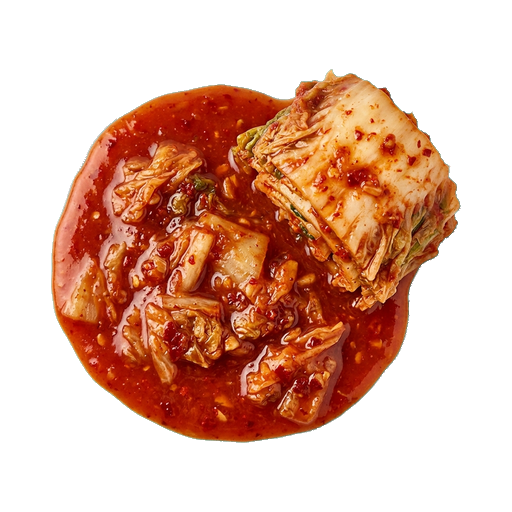
A spicy Korean sauce based on fermented kimchi cabbage with added red chili pepper, garlic, and sea salt. It boasts a rich, piquant flavor with a subtle tanginess and characteristic spicy aroma that adds depth and heat to dishes. Used as a condiment for rice, meat and fish dishes, as a marinade, or as an addition to soups and stewed dishes — its intense flavor requires careful portioning depending on the desired level of spiciness.
About
Kimchi sauce is a spicy paste made from fermented cabbage, garlic, and peppers that has evolved from a traditional condiment into a versatile culinary tool. If you're looking for a way to add depth, heat, and umami to a dish in one go, this sauce outperforms many single-ingredient seasonings. Its thick consistency and rich flavor make it useful not only as a side dish but also as a base for sauces, marinades, and dressings.
Taste and Aroma
Kimchi sauce gives a dish a multi-layered flavor profile. The heat here is not sharp, but builds gradually, with a piquant aftertaste. Garlic and ginger create a spicy base, while fermentation adds acidity and a subtle pungency. The aroma is intense, with distinct notes of garlic and red pepper, but not aggressive thanks to fermented cabbage, which softens and unites all the components.
Where to use it
Kimchi sauce works everywhere you need heat with depth. Mix it with mayonnaise for sandwiches and burgers, add it to sour cream for potatoes, dilute it with water or broth for marinades for meat and fish. It's ideal in soups — just a spoonful is enough to awaken a dull broth. On a plate with rice, noodles, or bacon, kimchi sauce sits like a natural complement, not a random condiment.
- Rice and noodles — mix with hot rice or add to noodles a minute before cooking
- Meat dishes — marinade for chicken, pork or beef
- Sauces and dressings — base for spicy sauce for vegetables and cabbage
- Soups and stews — a couple of spoonfuls at the end of cooking will add spice and umami
- Appetizers — spread on cheese crackers or mix with avocado
Combinations with other ingredients
Kimchi sauce pairs well with neutral bases — sour cream, yogurt, and mayonnaise. It will enhance the flavor of seafood, especially shrimp and squid, and won't get lost alongside smoked meat. The sauce's acidity balances rich dishes, so it's worth adding to fried foods and cream sauces. Cilantro and green onions work best with it, as they will highlight its freshness.
Selection and Storage
When choosing kimchi sauce, pay attention to its consistency — it should be homogeneous, without separation, and contain visible pieces of pepper and garlic. The brighter the red color, the higher the pepper concentration. Check the production date: fresh sauce has a more pronounced spicy taste, and as it ages, the heat becomes milder, but the depth of flavor increases.
Closed kimchi sauce keeps in the refrigerator for several months. After opening, make sure the jar closes tightly and keep it on a refrigerator shelf away from light. If you notice mold or a strange smell, the sauce has spoiled. With proper storage, the sauce can even improve over time, as fermentation continues slowly.
Start with half a teaspoon of kimchi sauce in the dish — its spiciness and aroma may be stronger than you expect. It's easier to add more than to remove excess.
Nutrition
per 100 g
- Calories
- 100 kcal
- Protein
- 1 g
- Fat
- 0.5 g
- Carbs
- 22 g
Measures and weight
- 1 tbsp
- 16.5 g
- 1 tsp
- 5.5 g
- 1 cup
- 275 g
Measure calculator
- Weight
- 100 g
- Calories
- 100 kcal