Usuba
Usuba
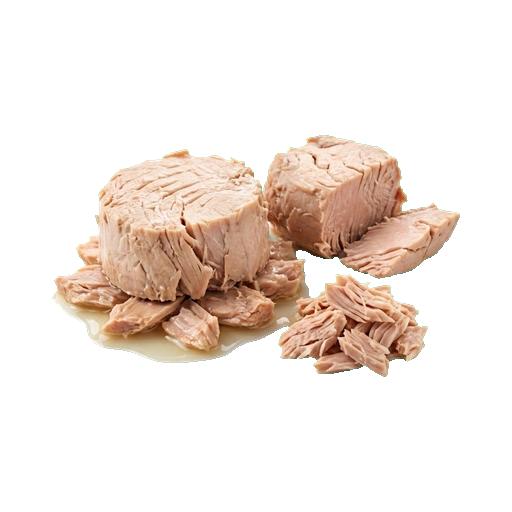
Canned tuna in its own juice
Canned tuna in its own juice is a ready-to-eat product where fish meat is preserved in a minimal amount of liquid without added oil. This tuna has a more delicate flavor and lower calorie content compared to the oil-packed version, making it ideal for diet dishes, salads, and pasta. When choosing, pay attention to the ingredients — a quality product should contain only tuna, salt, and possibly some spices, without unnecessary preservatives and additives.
About
Canned tuna in its own juice is a ready-made protein ingredient that saves time and doesn't require refrigeration until the can is opened. Tuna meat is canned immediately after being caught, preserving its nutritional value and tender texture. The absence of oil makes this tuna versatile: it is suitable for diet dishes, salads, and hot appetizers without the need to drain the liquid before use.
Taste and Aroma
Tuna in its own juice has a clean, subtle seafood flavor without oiliness. The meat retains natural moisture and tenderness thanks to minimal processing. The juice in which the tuna is contained is a concentrated fish broth that can be used in dressings, soups, or left in the dish for juiciness.
Where to use
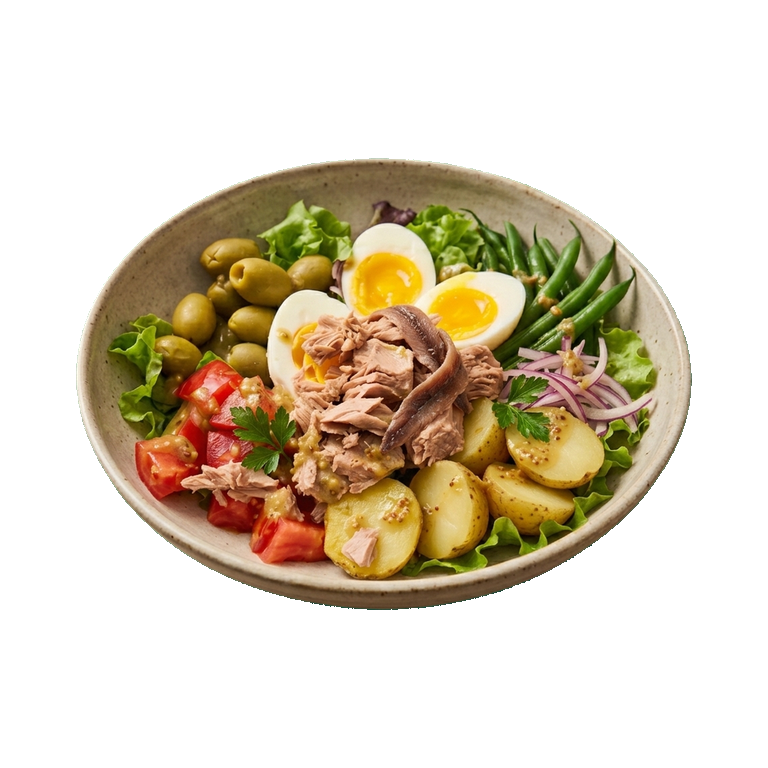
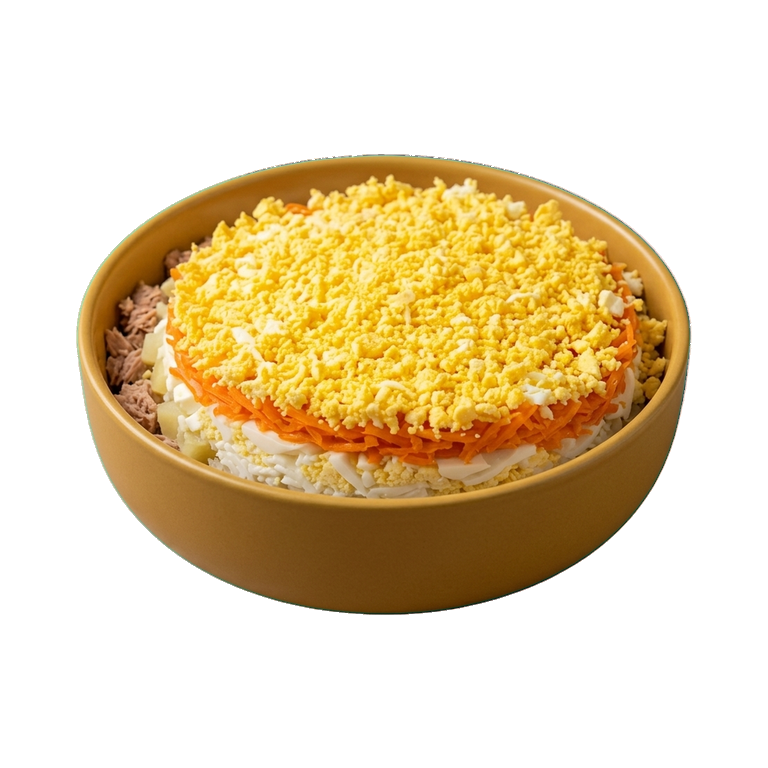
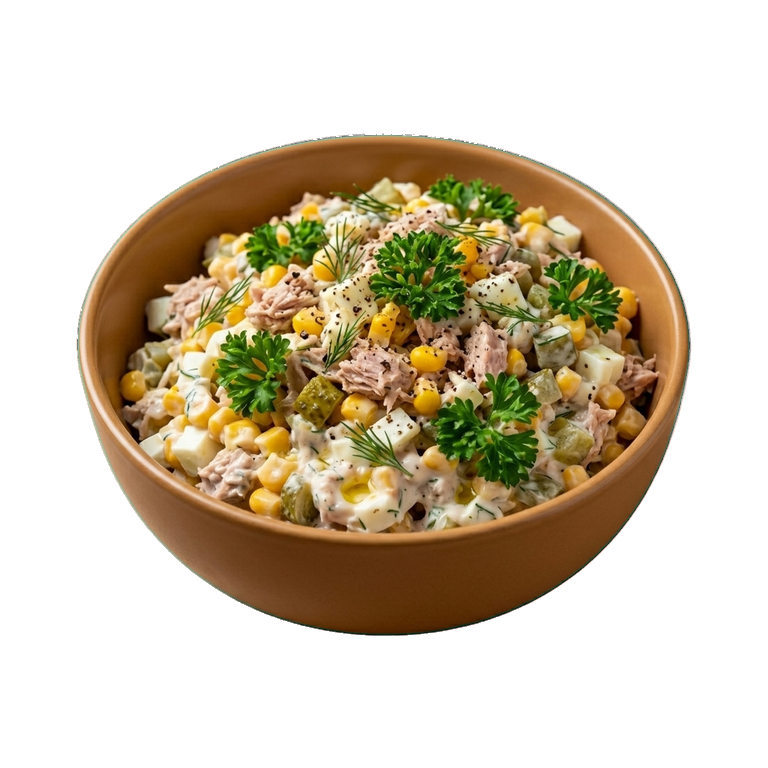
- Salads — a base for light vegetable and green salads, especially with lemon sauce or olive oil
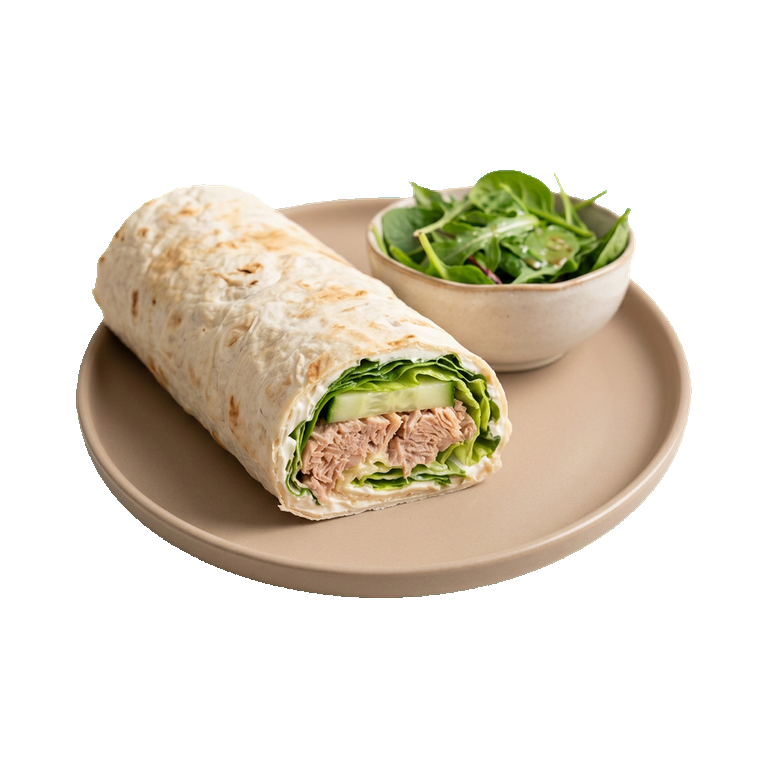
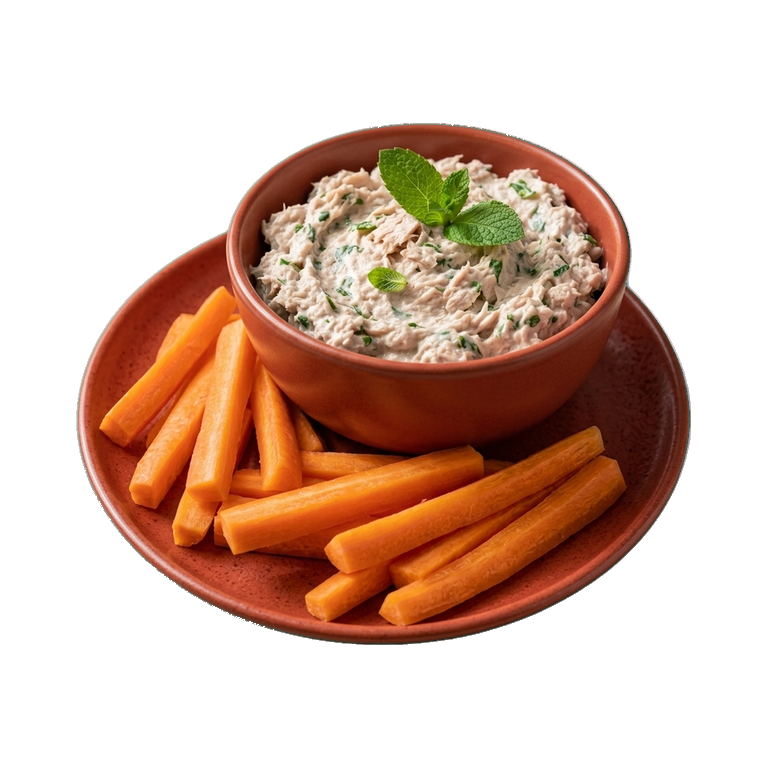
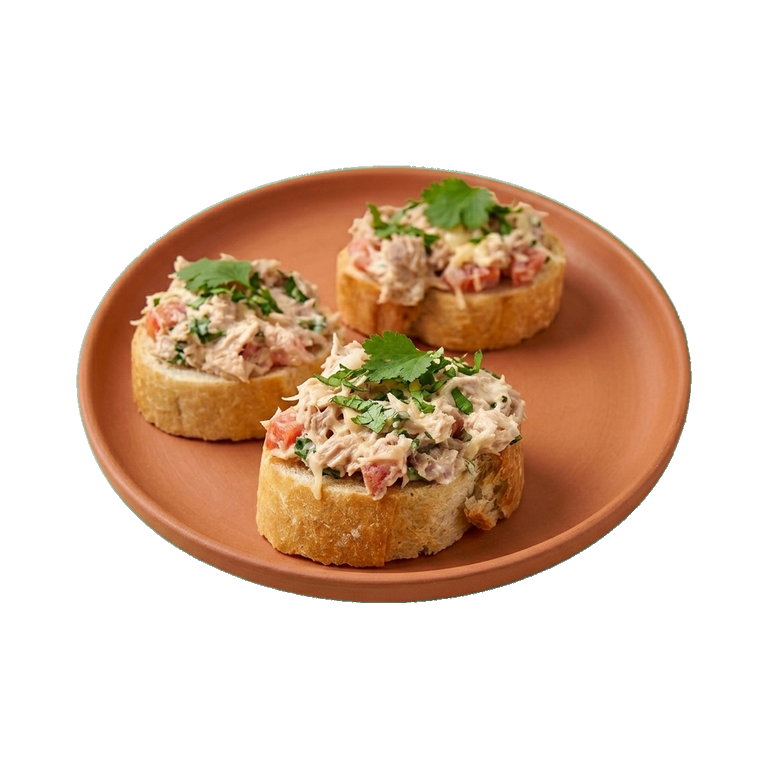
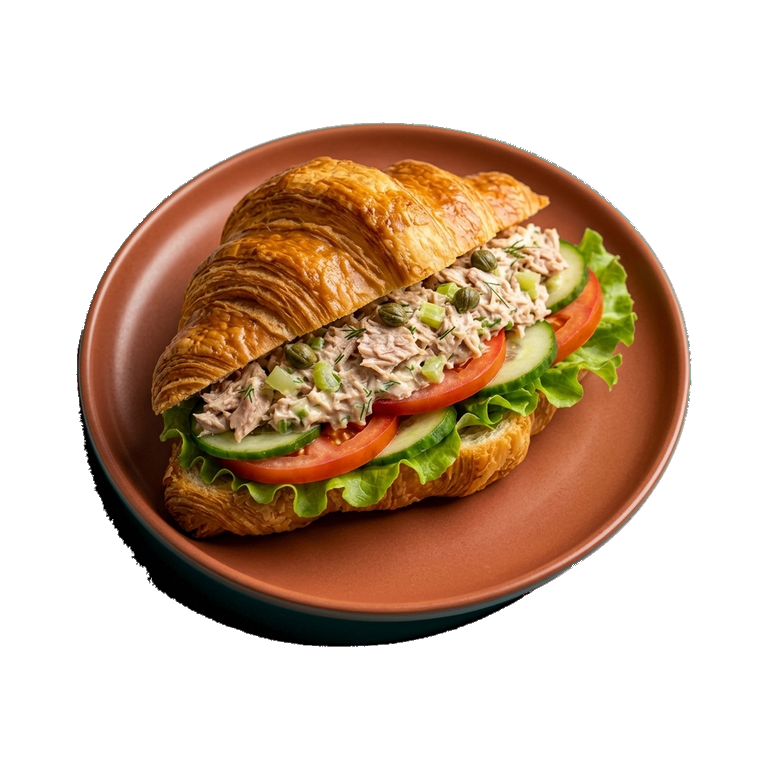
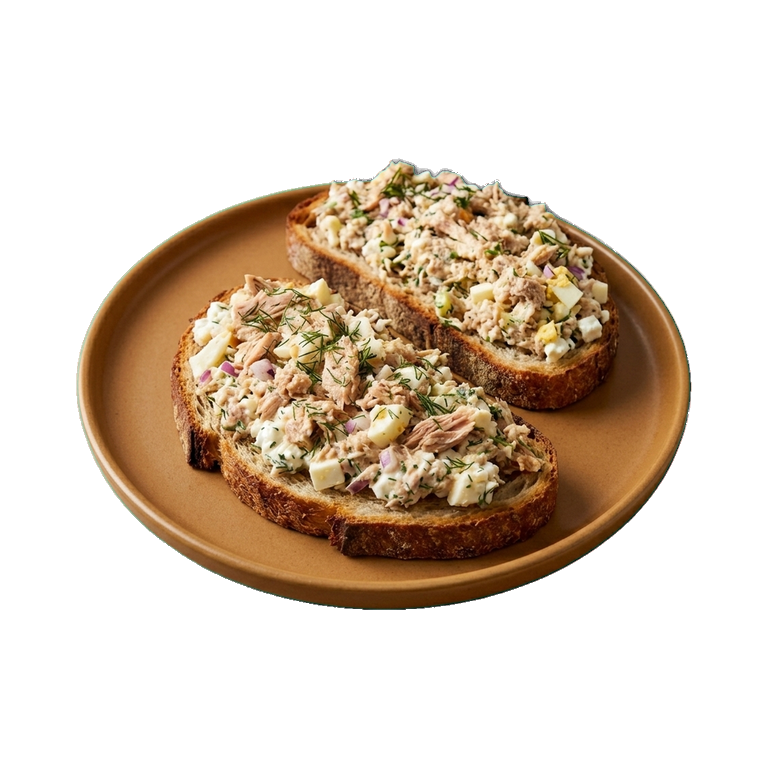
- Sandwiches and appetizers — spread on bread with tomatoes and herbs or filling for canapés
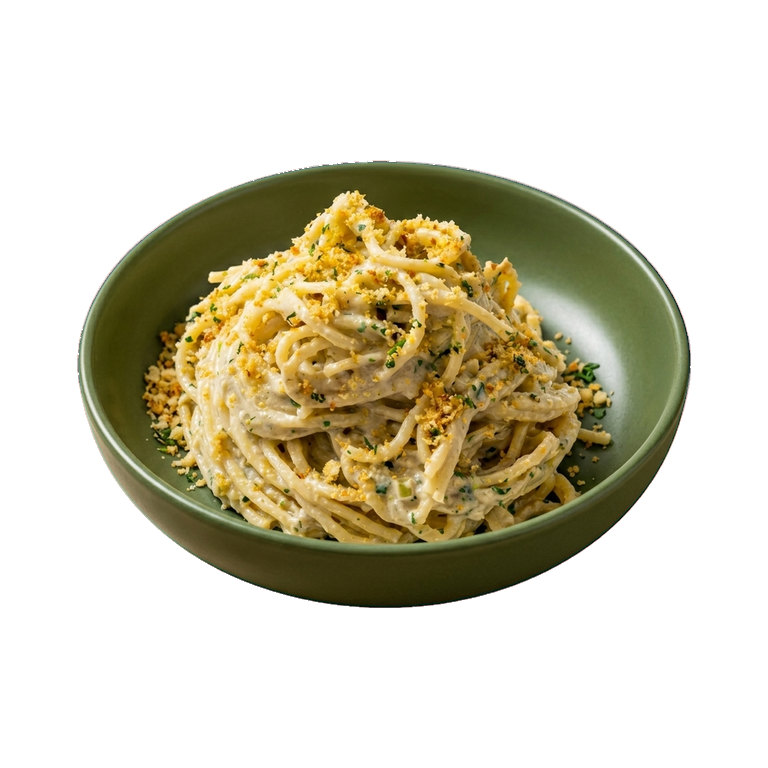
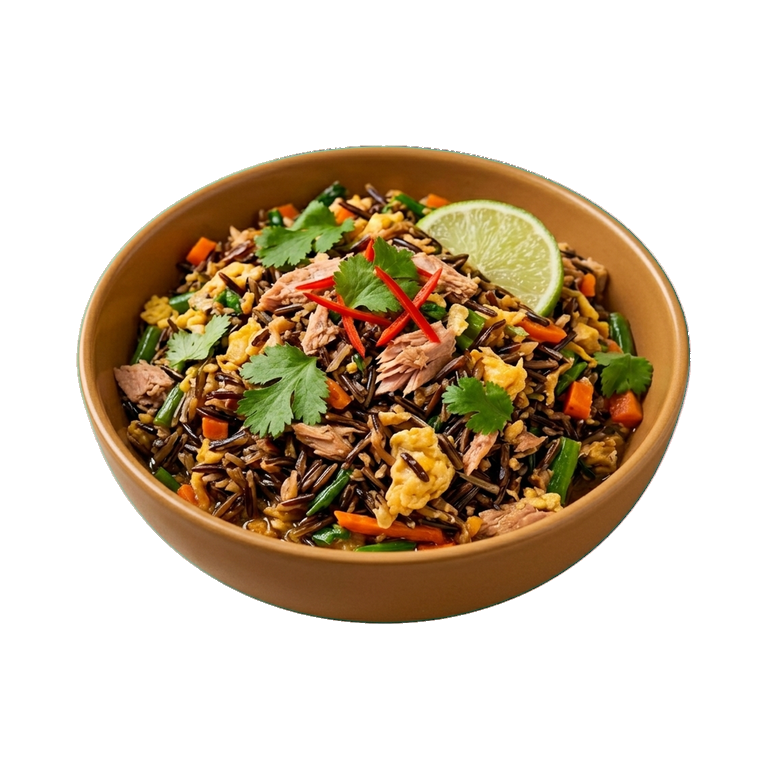
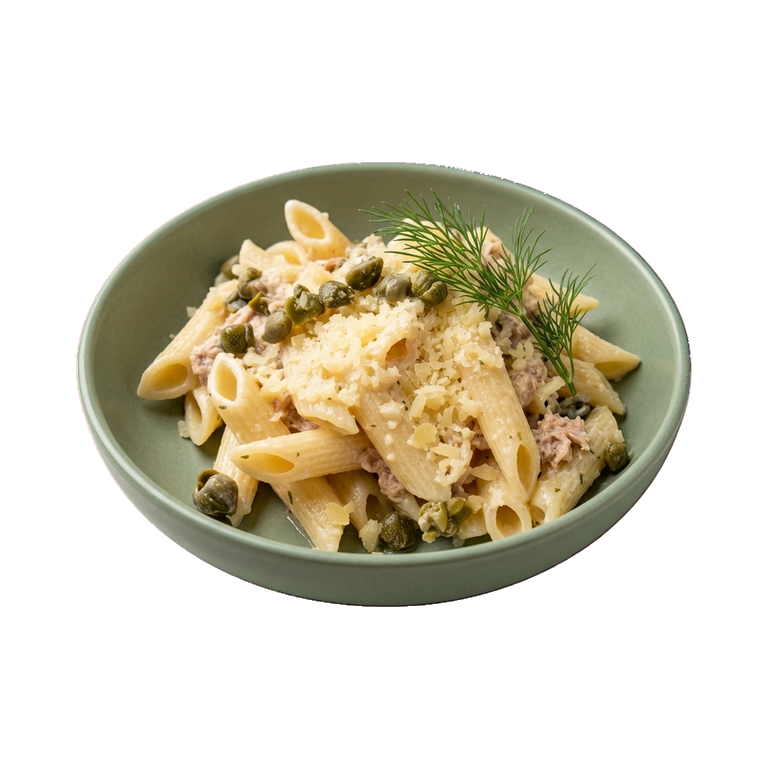
- Pasta and rice — quick base for hot dishes, mixed with pasta and vegetables in five minutes
- Sushi and rolls — an alternative to fresh tuna at home
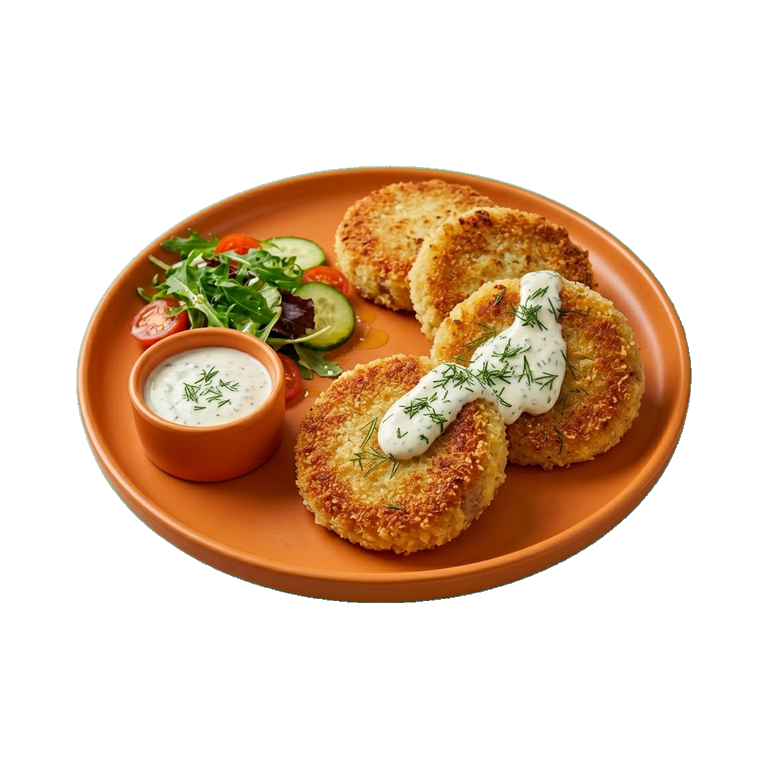
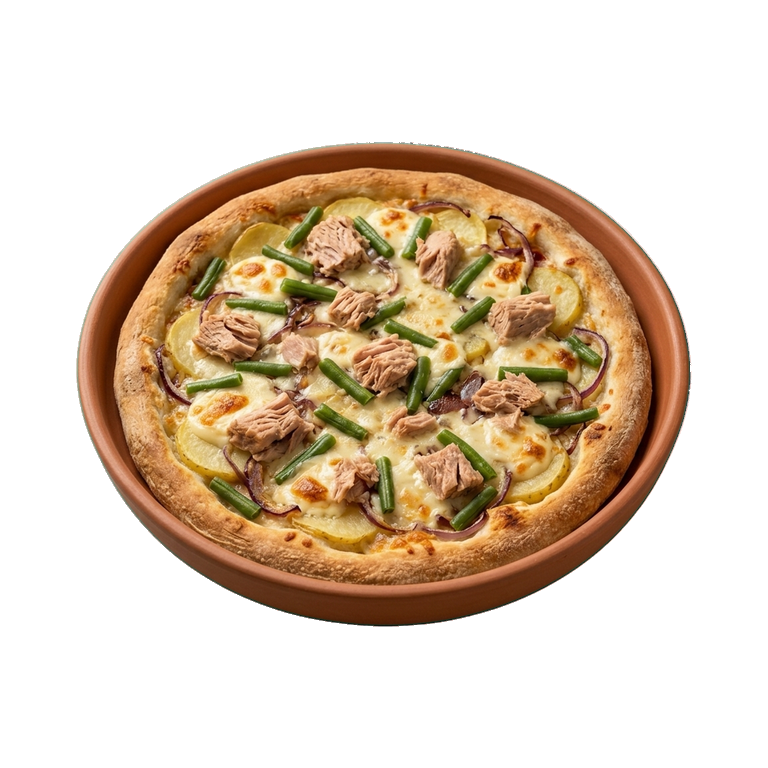
- Baked dishes — added to lasagna, pie or casserole before baking
Successful Pairings
Canned tuna works well with acidity — lemon, lime, vinegar, and tomatoes. It doesn't conflict with garlic, onion, and herbs like dill and parsley. Olive oil and avocado highlight its tenderness, while hot sauces and spices help create contrast. Tuna in its own juice combines more easily with light side dishes — leafy greens, cucumbers, radishes — than with heavy cream sauces.
How to choose and store
- Check the date on the can — canned tuna is usually stored for 2–3 years
- Shake the can before purchasing — the liquid should be clear or slightly cloudy, with no strange odors
- Make sure the can has no dents or damage — this is a sign of a seal breach
- After opening, transfer the tuna to a glass container and store in the refrigerator for up to three days
- Closed cans should be stored in a cupboard at room temperature away from sunlight and moisture
If you need to cook a dish quickly, tuna in its own juice is an ideal choice. It requires no pre-processing, is ready to use straight from the can, and doesn't need additional liquid for juiciness.
Nutrition
per 100 g
- Calories
- 99 kcal
- Protein
- 23.5 g
- Fat
- 0.8 g
- Carbs
- 0 g
Measures and weight
- 1 can
- 185 g
Measure calculator
- Weight
- 100 g
- Calories
- 99 kcal