Usuba
Usuba
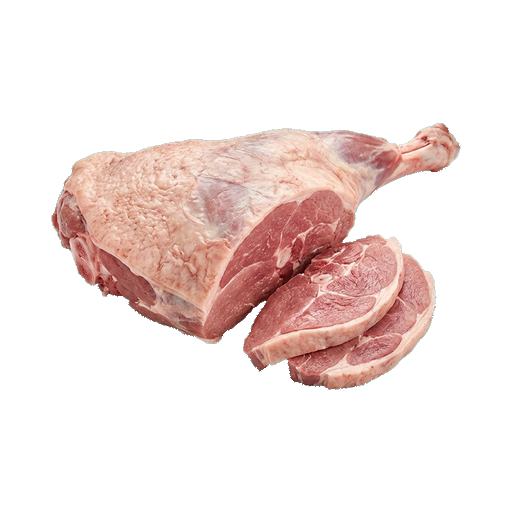
Lamb leg
Lamb leg is a large meat cut with good fat marbling that ensures juiciness during cooking. The meat is characterized by a rich, distinctive lamb flavor with a slight bitterness and an aroma that unfolds beautifully when seared or braised for extended periods. This cut is versatile: it works well roasted whole, cut into steaks, cooked in the oven with vegetables, or used in stews. It's important to note that lamb requires thorough heat treatment and often benefits from marinating or using spices to mellow its characteristic flavor.
About
Lamb leg is one of the most versatile and rewarding cuts of meat for home cooking. It is a large, dense piece with good marbling and sufficient fat that, when cooked properly, becomes tender and juicy. The leg is perfect for both festive occasions and everyday dinners, because it cooks for a long time but requires almost no effort on your part.
Aroma and taste
Lamb has a characteristic, rich flavor that many people enjoy, while others find it intimidating. However, in the leg, this flavor is much more delicate than in other parts of the carcass, especially if it's meat from a young animal. Lamb fat is dense and aromatic — it won't become rancid during prolonged cooking, and instead will enrich the dish with deep, meaty notes.
The smell of raw meat can be sharp, but this is normal and does not indicate quality. During cooking, it transforms into a pleasant, appetizing aroma. If you are bothered by the intensity of lamb, use herbs and spices generously — rosemary, thyme, garlic, cumin, and black pepper work perfectly.
Role in Dishes
Lamb leg is meat for long, slow cooking. It contains a lot of connective tissue that turns into gelatin when heated, making the meat tender and creating a rich broth. It is an ideal cut for braising, baking in the oven, cooking in a slow cooker, or cooking over a fire.
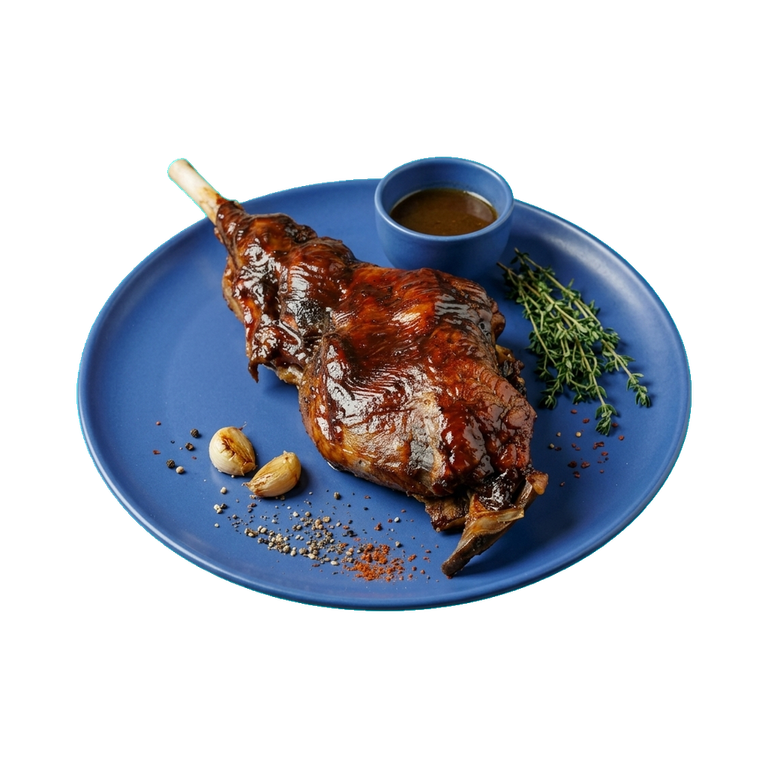
- Classic roasting of a whole leg with vegetables and herbs — the most festive option
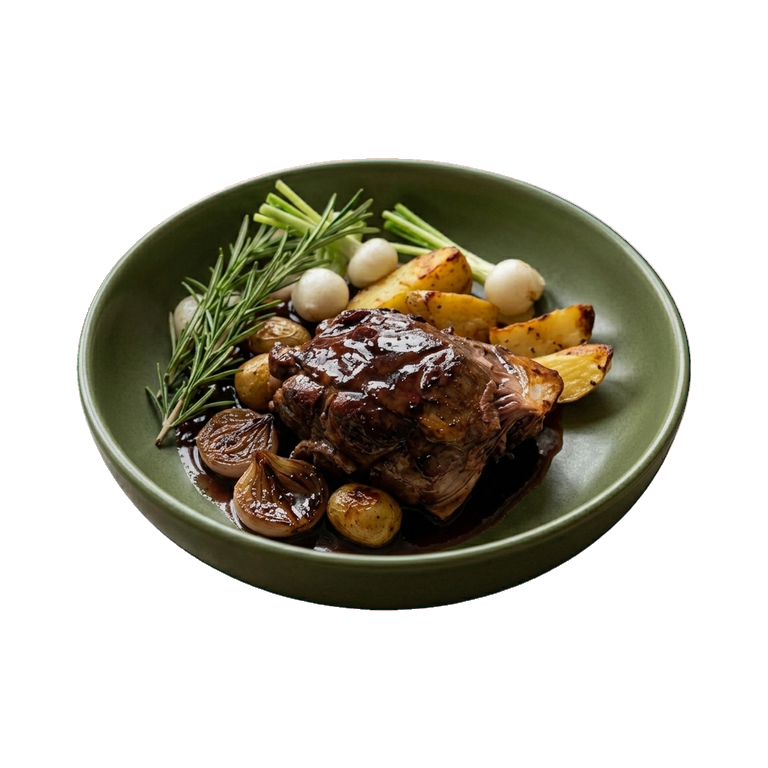
- Stewing in red wine or tomato sauce — for rich, deep dishes
- Cutting into pieces for pilaf, stew or curry — the meat becomes tender and absorbs all the flavors
- Slow smoking or grilling — for those who love to experiment
Pairings and Seasonings
Lamb loves bold, aromatic companions. Rosemary and thyme are its best friends, they highlight the meaty flavor and mask excessive harshness. Garlic, both in large quantities and as thin slices inserted into slits in the meat before baking, works like magic.
- Vegetables: potatoes, carrots, onions, eggplant, tomatoes
- Spices: cumin, coriander, black pepper, cinnamon, cloves, paprika
- Liquid: red wine, white wine, beef or vegetable broth
- Acidity: lemon juice, vinegar, pomegranate juice — they refresh and balance the richness of meat
Selection and Preparation
When selecting a leg, look at the color of the meat — it should be evenly pink or red, without gray spots. The fat should be white or creamy, firm, not yellow and flabby. If possible, choose meat from a young animal — it is more tender and has a milder flavor.
Before cooking, take the leg out of the refrigerator one to two hours before you start — room temperature will ensure even heating. If the meat is wrapped in film, remove it and let it "breathe". Remove excess fat from the surface if it seems excessive to you, but leave at least a thin layer — it will protect the meat from drying out.
Storage
Store fresh lamb leg in the coldest part of your refrigerator — usually the bottom shelf, at a temperature of 0–4°C. Meat stored this way will last 3–5 days. If you don't plan to cook it in the next few days, freeze it — in the freezer, lamb leg can be stored for several months. Thaw slowly in the refrigerator, not at room temperature.
Lamb leg requires time, but gives generously — with tender, aromatic meat and a rich sauce that you'll want to wipe up with bread. This is meat for those willing to spend a couple of hours waiting and get a result that's worth every minute.
Nutrition
per 100 g
- Calories
- 200 kcal
- Protein
- 18 g
- Fat
- 14 g
- Carbs
- 0 g
Measures and weight
- 1 pcs
- 2500 g
Measure calculator
- Weight
- 100 g
- Calories
- 200 kcal