Usuba
Usuba
Garlic leaves
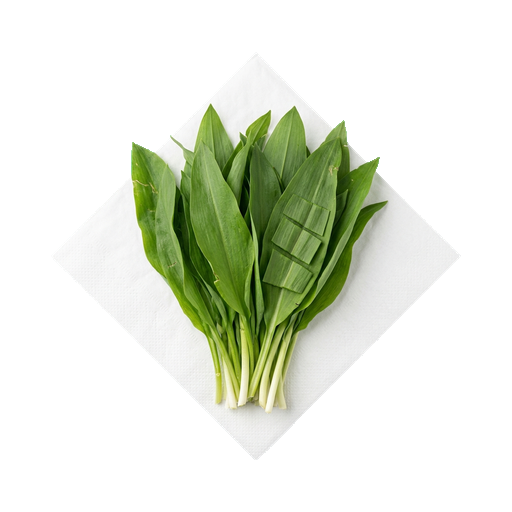
Tender green garlic leaves with a sharp peppery taste and subtle garlic aroma are used both fresh and processed. They add bright pungency to salads, soups, meat and vegetable dishes, as well as serve as a garnish and flavor enhancer for broths and marinades. When selecting, prefer firm leaves of bright green color without spots and wilting — they will better retain their taste and aroma when stored in the refrigerator.
About
Garlic leaves are young shoots that appear long before the bulb forms. In cooking, they are valued for their delicate garlic flavor, which is much milder than cloves, and for the fresh greens that garnish the dish. They are not waste, but a full-fledged ingredient worth keeping on hand if you want to add garlic notes without harshness.
Aroma and Taste
Garlic leaves smell like garlic, but it's a delicate, herbal aroma with a slight sharpness. In taste, they resemble green onions with a garlic undertone — not pungent, but rather fresh and slightly piquant. The lower white part of the leaf is tastier and softer than the green top, which can be fibrous.
Where and how to use
- Add to soups and broths at the end of cooking — the leaves cook in just a couple of minutes and give the dish a fresh taste.
- Chop into salads instead of regular green onions for a more interesting flavor.
- Use in omelets, fried eggs and other egg dishes — a classic combination.
- Place as a garnish with meat and fish dishes for freshness and aroma.
- Add to marinades and sauces — the leaves dissolve and make them more aromatic.
- Use in Korean and Asian dishes, where garlic leaves are a traditional ingredient.
Combinations and pairings
Garlic leaves work well with potatoes, tomatoes, mushrooms, and butter. They pair nicely with herbs — parsley, dill, and cilantro. If you're preparing a dish with sharp spices, garlic leaves will add freshness and soften the harshness. In meat stews and braised dishes, they are added at the end so as not to lose their delicate flavor.
Selection and Storage
Look for leaves that appear fresh and crisp, without spots or wilting. The white part should be clean and firm. Garlic leaves wilt quickly, so use them within a few days. Store in the refrigerator in a bag or wrapped in a damp towel — this way they'll stay fresh longer. You can freeze chopped leaves in a container or even in ice cubes with oil for convenience.
Add garlic leaves at the very end of cooking — they don't require prolonged heat treatment and are best enjoyed fresh or slightly warmed.
Nutrition
per 100 g
- Calories
- 49 kcal
- Protein
- 3.1 g
- Fat
- 0.3 g
- Carbs
- 9.8 g
Measures and weight
- 1 tbsp
- 3 g
- 1 tsp
- 1 g
- 1 cup
- 50 g
- 1 pcs
- 5 g
- 1 bunch
- 50 g
Measure calculator
- Weight
- 100 g
- Calories
- 49 kcal