Usuba
Usuba
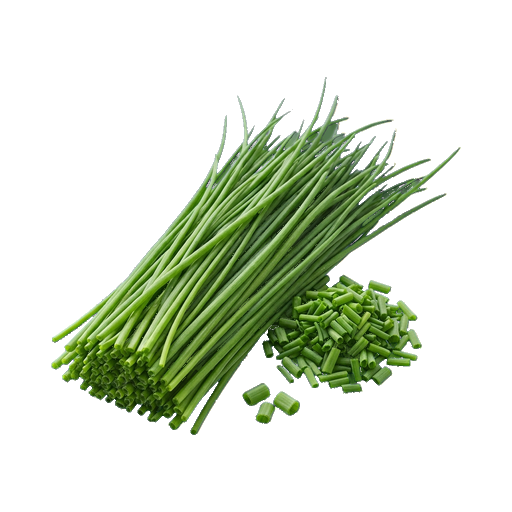
Siberian chives
Siberian chives are a perennial plant with delicate tubular leaves and a thin, subtle onion flavor. They are used as a fresh ingredient in salads, soups, and as a garnish, added at the end of cooking to preserve tenderness and light aroma. When selecting, look for firm leaves without yellowing, and when storing, keep in the refrigerator in a bag to extend freshness for several days.
About
Siberian chive is a thin and delicate relative of ordinary onion, often called Chinese onion or Asian shallot onion. Unlike the familiar onion we know, siberian chive does not form a round bulb, but rather elongated underground tubers about the size of a bean. The greens grow in a bunch, like green onions, but the stems are denser and more elegant. If you've ever seen an onion that resembled both greenery and young shallot at the same time, this is it.
Aroma and flavor
Sibulет delights with a mild onion aroma without the sharp pungency that sometimes irritates in regular onions. The taste is delicate, slightly sweet, with barely noticeable bitterness. The greens are more tender than green onions, and the small bulbs have a pleasant nutty undertone when tasted raw. With heat treatment, the onion flavor becomes softer, almost buttery.
How to use in cooking
Siberian chives work on several levels at once. The greens are chopped into salads, sprinkled over finished dishes, and added to soups at the last moment. The tubers can be marinated whole like small onions, deep-fried until crispy, or added to Asian dishes. Whole stems are sometimes used as a garnish or to tie up meat rolls.
- Greens — in fresh salads, as a side dish, in soups before serving
- Tubers — marinated, fried, in Asian dishes
- Whole stems — for decoration and tying other ingredients
Combinations and Dishes
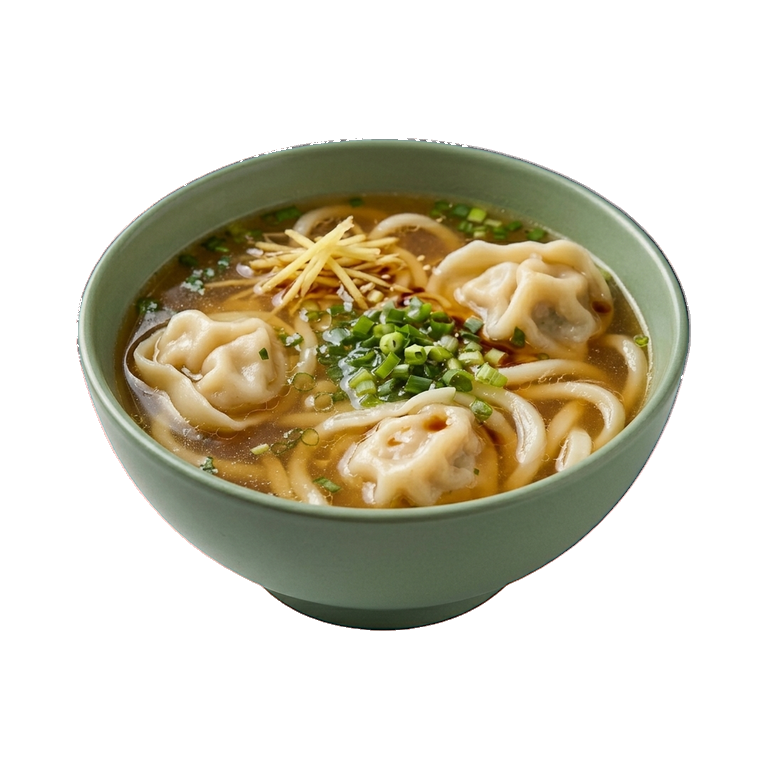
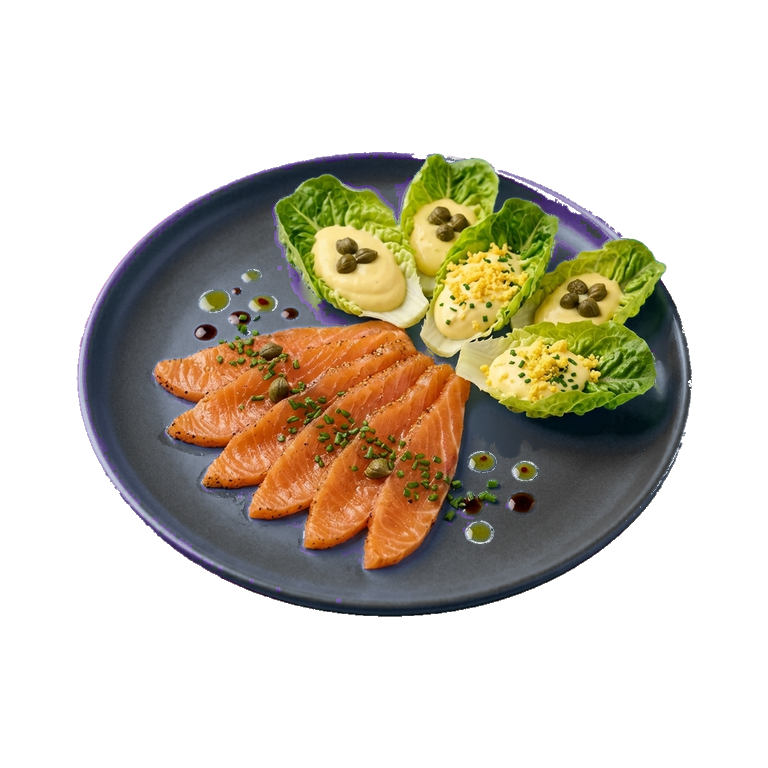
Chives pair beautifully with fish and seafood — its delicate flavor doesn't overpower their subtle aroma. It creates a harmonious combination with creamy sauces and works as a flavor enhancer with fermented dairy products. In Asian cuisine, it's a classic ingredient for noodles, rice, and noodle soups. It's excellent in omelets, potato dishes, and as a component for herb oils and butter.
Selection and Storage
Choose bunches with firm, fresh greens without spots or wilting. The stems should be dense, not soft. The tubers underground are not visible, but if the bunch overall looks healthy, everything is fine with them. Fresh sibulет is stored in the refrigerator in a bag or container for about a week. You can wrap it in a damp cloth to keep the greens juicy longer. The tubers last longer and can survive several weeks in a cool place.
Chef's Tip
If chives begin to wilt, place the bunch in a glass of cold water for an hour — the greens will revive. For pickling the bulbs, use rice vinegar and a little sugar to enhance its natural sweetness.
Nutrition
per 100 g
- Calories
- 30 kcal
- Protein
- 3.3 g
- Fat
- 0.7 g
- Carbs
- 4.3 g
Measures and weight
- 1 tbsp
- 4.5 g
- 1 tsp
- 1.5 g
- 1 cup
- 75 g
- 1 bunch
- 50 g
Measure calculator
- Weight
- 100 g
- Calories
- 30 kcal