Usuba
Usuba
Mascarpone cheese
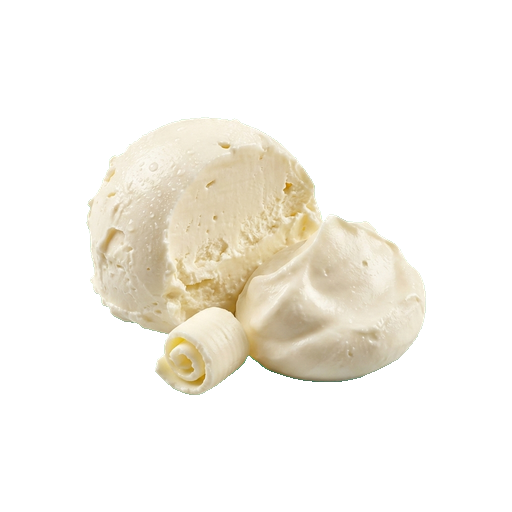
A delicate creamy cheese with a soft consistency, made from cow's milk cream. Mascarpone has virtually no pronounced aroma, boasts a sweet, creamy flavor, and is ideal for desserts, creams, and sauces. When selecting, pay attention to uniform texture without lumps and use chilled cheese within a few days after opening, as it spoils quickly.
About
Mascarpone is a creamy cheese that works in the kitchen as a universal helper. Its delicate, almost buttery texture and mild dairy flavor make it equally comfortable in sweet desserts and savory dishes. If you haven't yet cooked with mascarpone, then you're missing a simple way to add depth and creaminess to almost any dish.
Taste and texture
Mascarpone has a delicate creamy flavor with a barely noticeable sourness. The texture is dense yet airy — the cheese literally melts in your mouth. Unlike sharper cheeses, mascarpone doesn't compete with other ingredients but complements them. This is why it's so perfect as a base for creams and pastes.
Mascarpone has quite high fat content — this makes it ideal for creating rich sauces and fillings. When heated, the cheese remains stable and does not separate, allowing it to be used in hot dishes without concern.
Where to use mascarpone
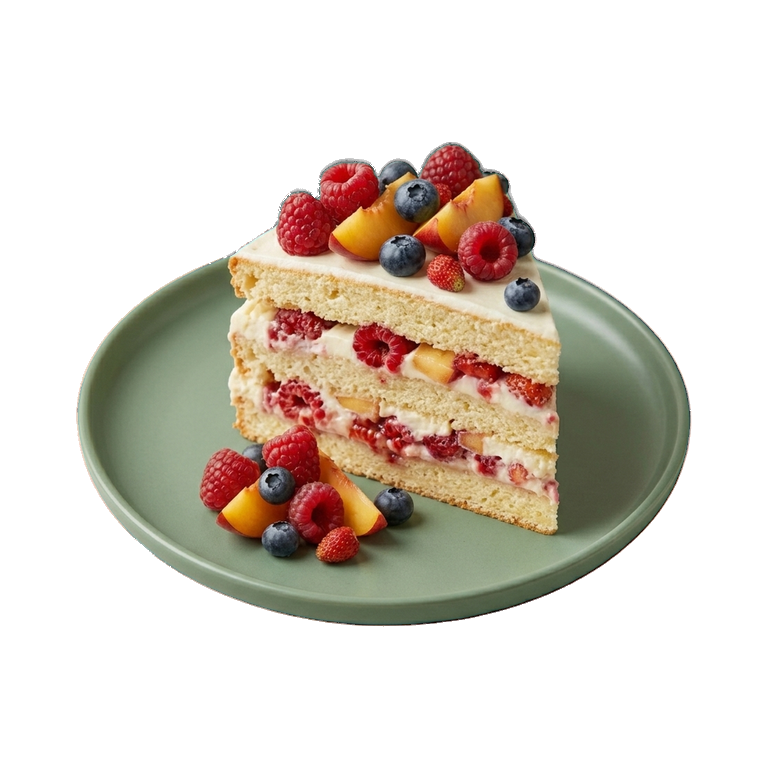
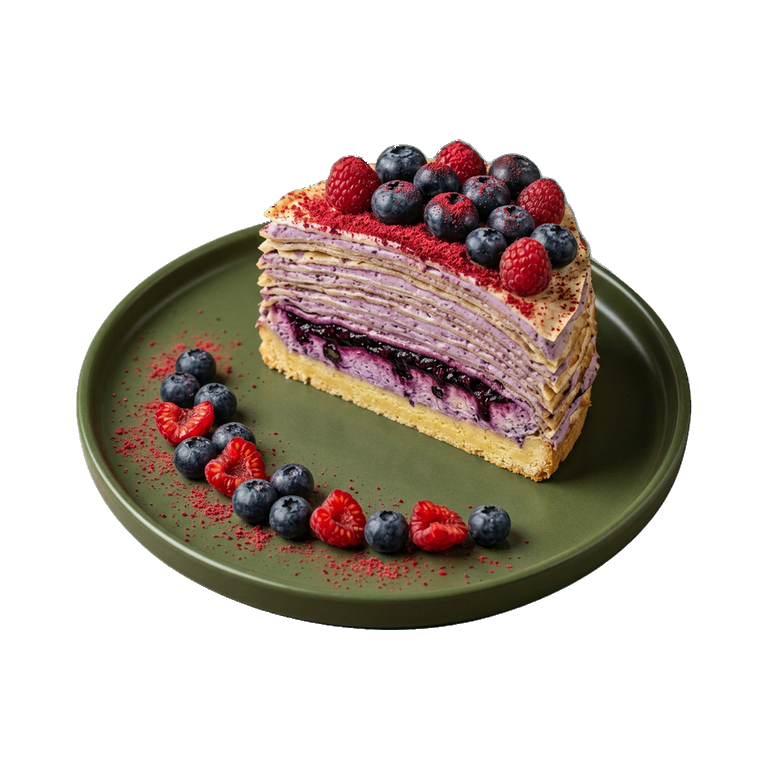
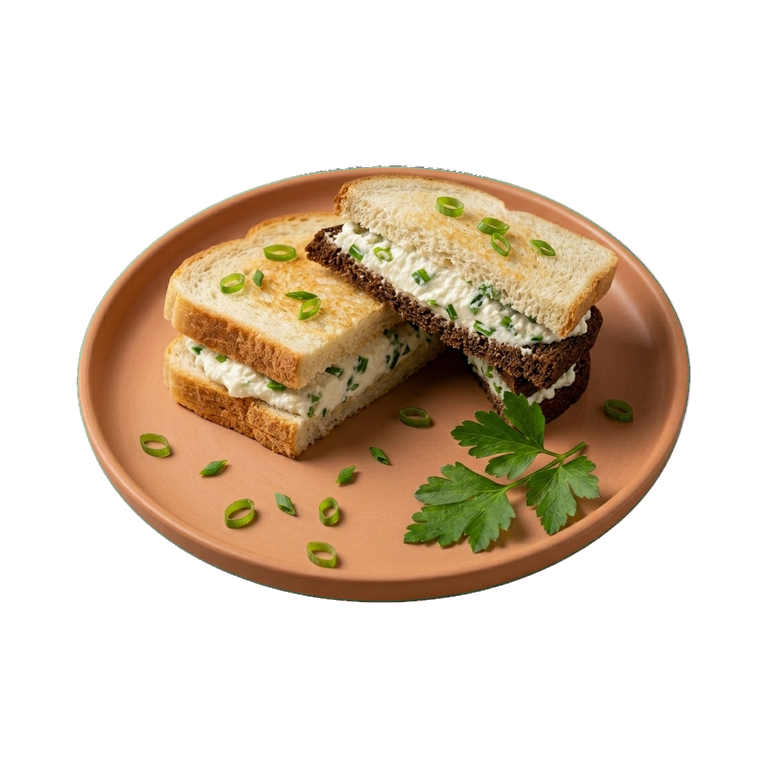
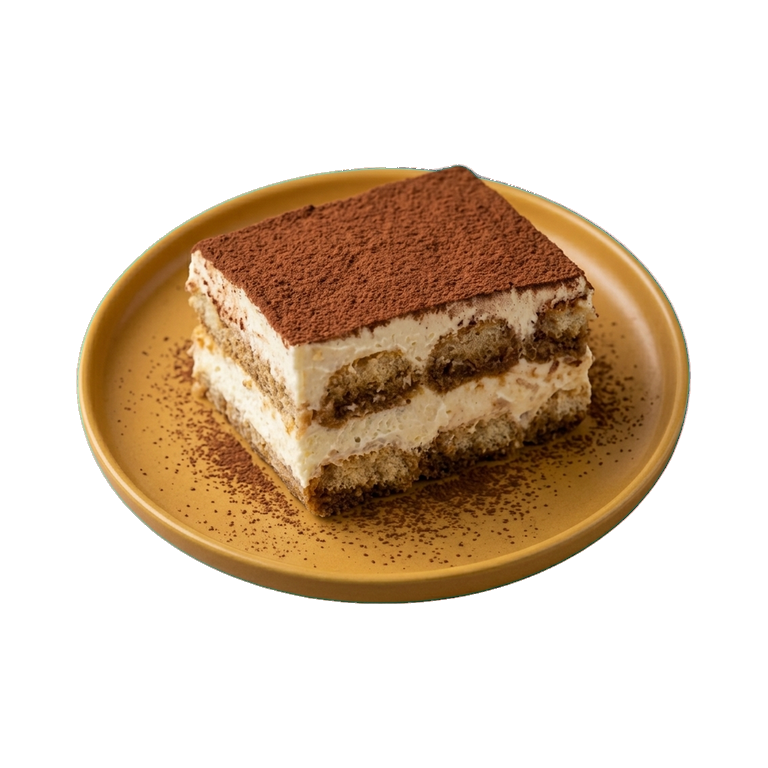
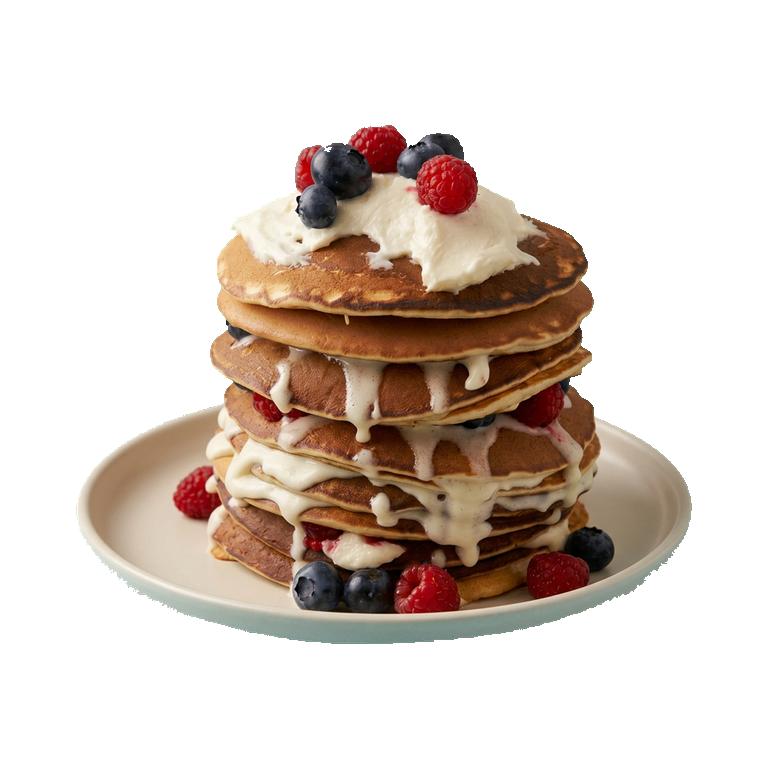
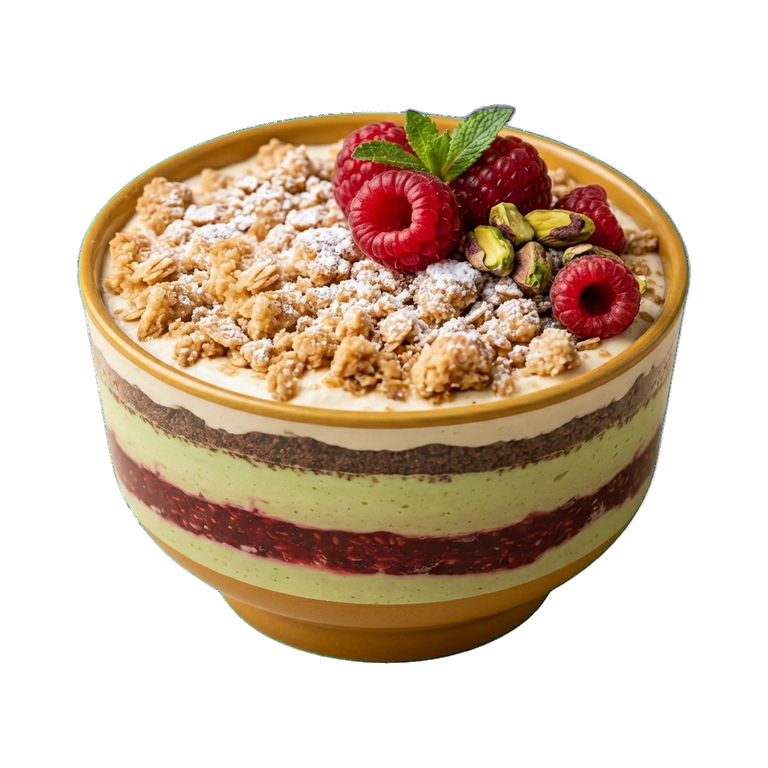
Mascarpone is the star of tiramisu, but its role in the kitchen doesn't end there. It's great as a filling for crepes and pancakes, a base for cheesecake, a component of creamy pastes and sauces for meat or fish. Mix mascarpone with herbs and garlic — you'll get an excellent sauce for vegetables or croutons.
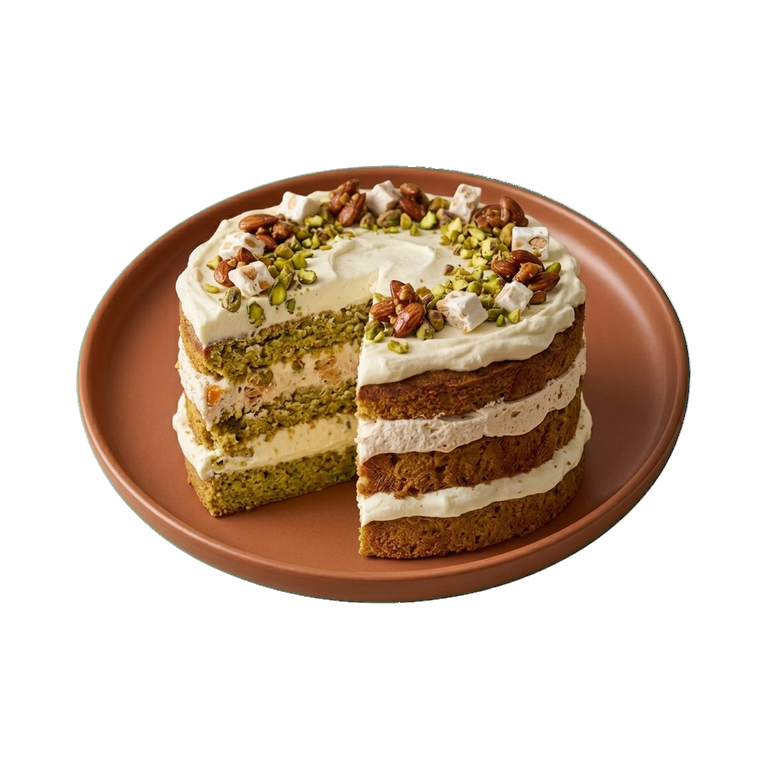
- Desserts: tiramisu, cheesecake, panna cotta, mousses
- Creams and fillings: for cakes, cupcakes, pastries
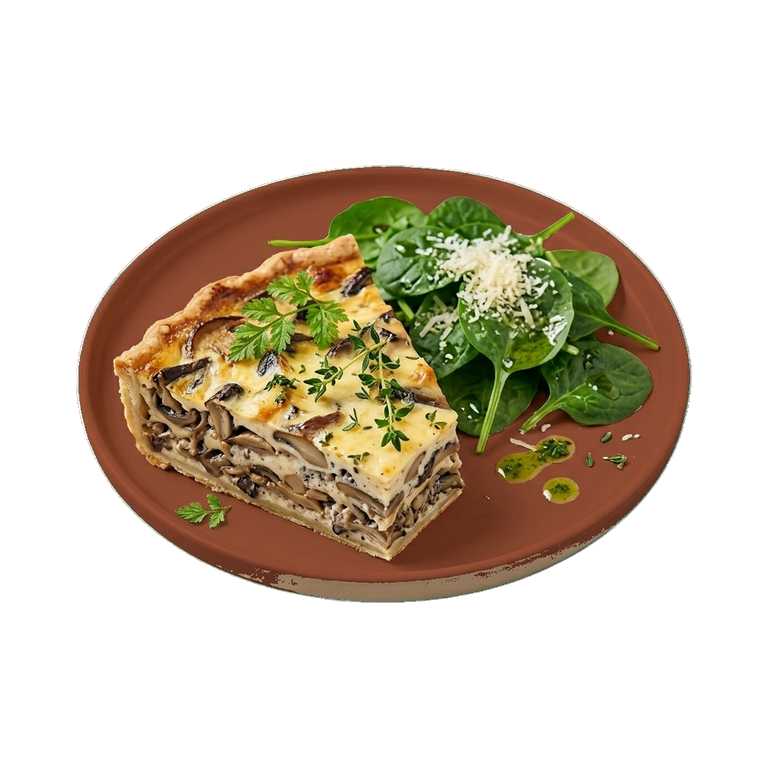
- Sauces: for pasta, meat, fish, vegetables
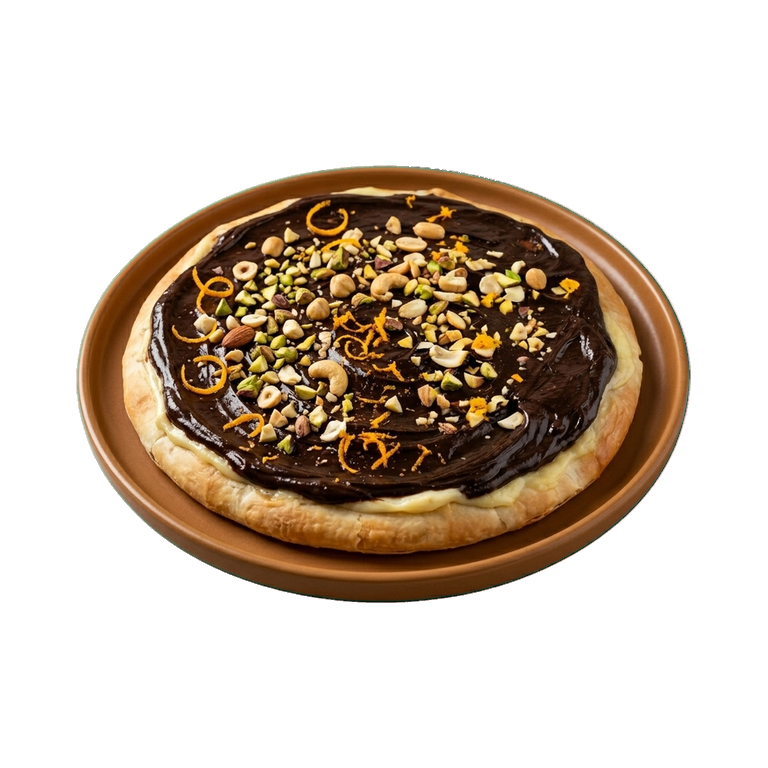
- Breakfasts: bread spread, base for sweet pastes
Combinations and pairings
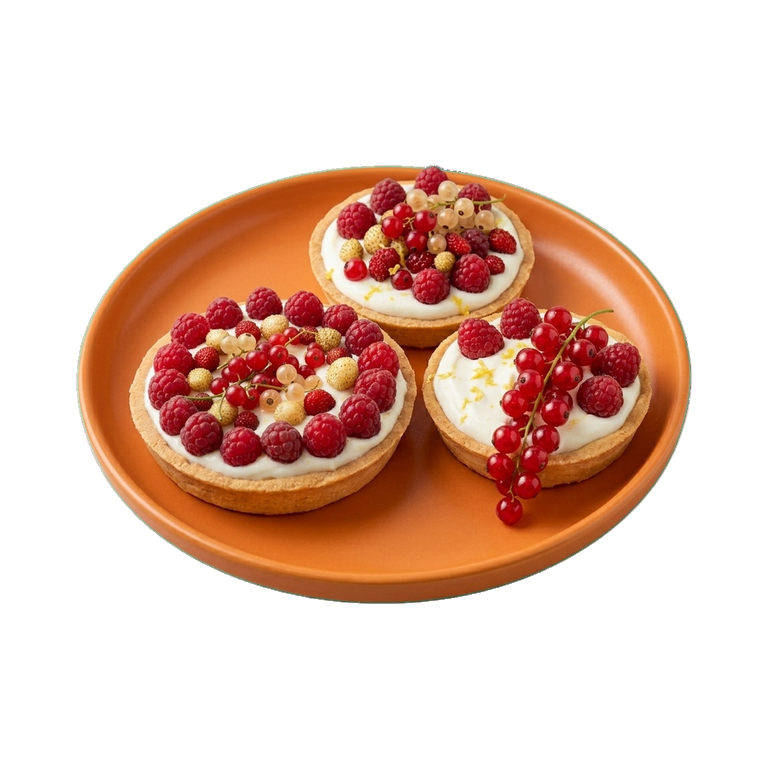
Mascarpone pairs well with coffee, cocoa, vanilla, and any berries. In savory dishes, it is complemented by lemon, garlic, fresh herbs, and black pepper. Try mixing mascarpone with honey and nuts for a quick dessert, or with anchovies and capers for a spicy sauce — the cheese will delicately bind all the flavors together.
Selection and Storage
When purchasing, pay attention to the production date — mascarpone is best used within the first two weeks. The cheese should be white or creamy, without yellow spots or an unpleasant odor. The packaging should be intact, without leaks.
Mascarpone should be stored in the refrigerator at a temperature of 2–4 degrees. An unopened package can be kept for several weeks, but after opening, use the cheese within 3–4 days. If you have transferred mascarpone to another container, cover it with plastic wrap so the cheese does not absorb odors from neighboring products. Freezing mascarpone is not recommended — it will lose its delicate texture.
Tip when working
Before using mascarpone in creams or mousses, let it sit at room temperature for 20–30 minutes. Cold cheese mixes poorly and may become lumpy. Add it last, stirring gently with a spatula or whisk to preserve airiness. If preparing a hot sauce, introduce mascarpone at the end, after the dish has been removed from heat.
Nutrition
per 100 g
- Calories
- 450 kcal
- Protein
- 6.5 g
- Fat
- 47 g
- Carbs
- 3 g
Measures and weight
- 1 tbsp
- 15 g
- 1 tsp
- 5 g
- 1 cup
- 250 g
Measure calculator
- Weight
- 100 g
- Calories
- 450 kcal