Usuba
Usuba
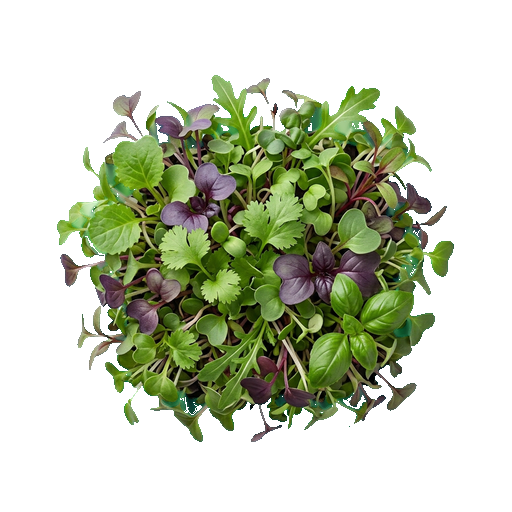
Micro salad
Microgreens are young leaves and shoots of various plants harvested at an early stage of development when they are particularly tender and aromatic. The leaves have a concentrated flavor that can be sharp, bitter, nutty, or herbaceous depending on the variety. Microgreens are used as a garnish and flavor accent in salads, appetizers, sandwiches, and when plating main dishes, but it is important to add them at the last moment to preserve the delicacy of the leaves and their freshness.
About
Microgreens are young leaves of lettuce, herbs, and vegetables at the stage of their first true leaves. They look like tiny plants 3–5 centimeters tall and have a concentrated flavor because they direct all their growth energy into aroma and tenderness rather than volume. Microgreens have been used in restaurant kitchens for a long time, but in recent years they have also appeared in retail sales — and this is good news for home cooks.
Taste and Aroma
The main difference between microgreens and regular greens is intensity. The leaves are more bitter than their mature counterparts, more piquant, sometimes with peppery or nutty notes. This depends on the variety: microgreens from arugula will be sharp, from mustard — pungent, from watercress — with a pleasant bitterness, from radish — with a mild spiciness. Meanwhile, tenderness is fully preserved — the leaves melt on your tongue.
Where to use
- Garnish for the final touch — sprinkle microgreens on top of soup, steak or fish right before serving to add freshness and contrast
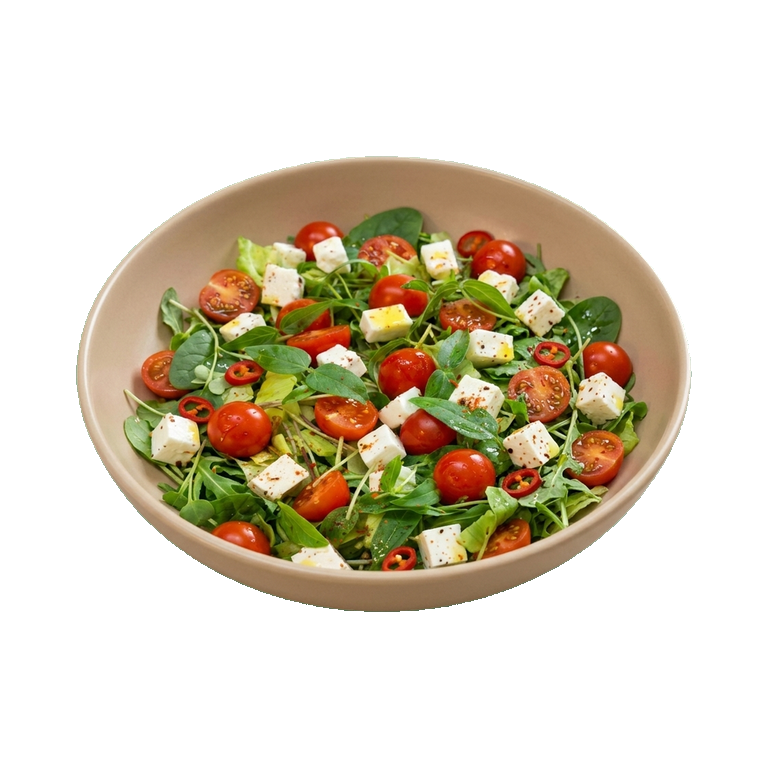
- Salad base — mix a handful of microgreens with oil and lemon, and you'll get an elegant appetizer that doesn't require large portions
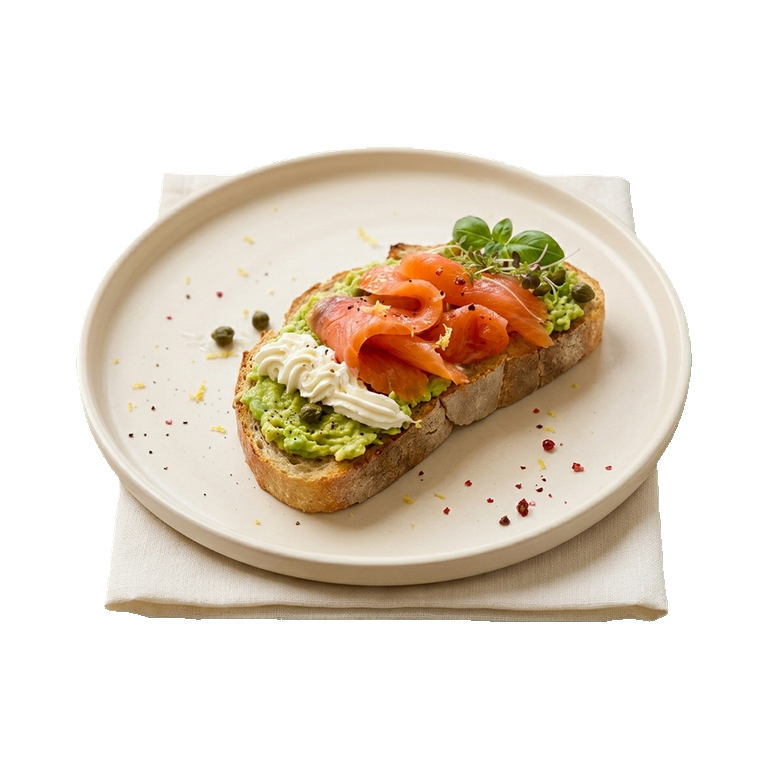
- Layer in sandwiches and open-faced sandwiches — microgreens will take up less space than regular salad but deliver more flavor
- Addition to appetizers — place under cheese, cured meat or pâté on a serving plate
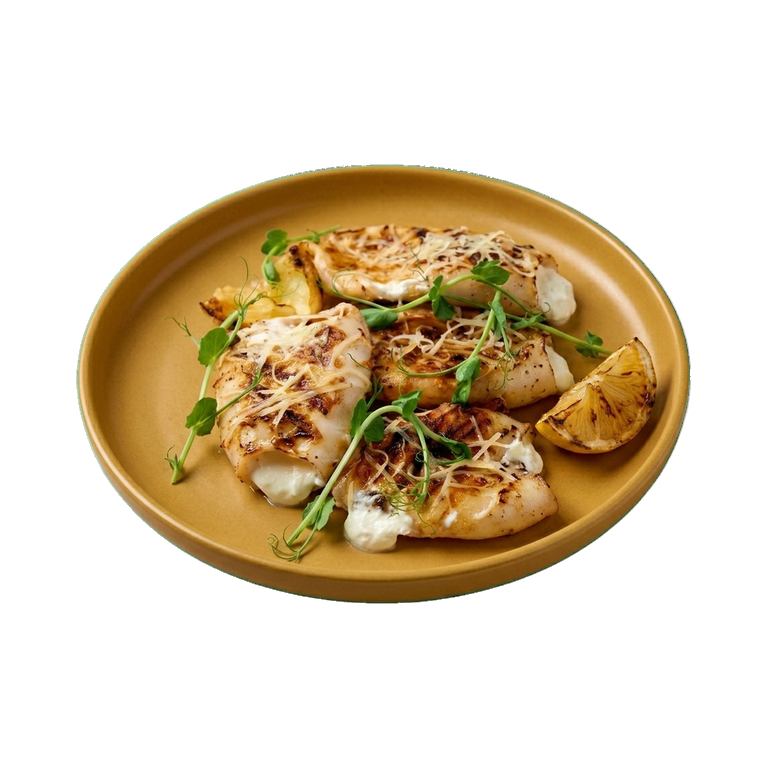
- Garnish for hot dishes — microgreens won't wilt instantly if placed next to (without pouring sauce on) hot food
Pairings
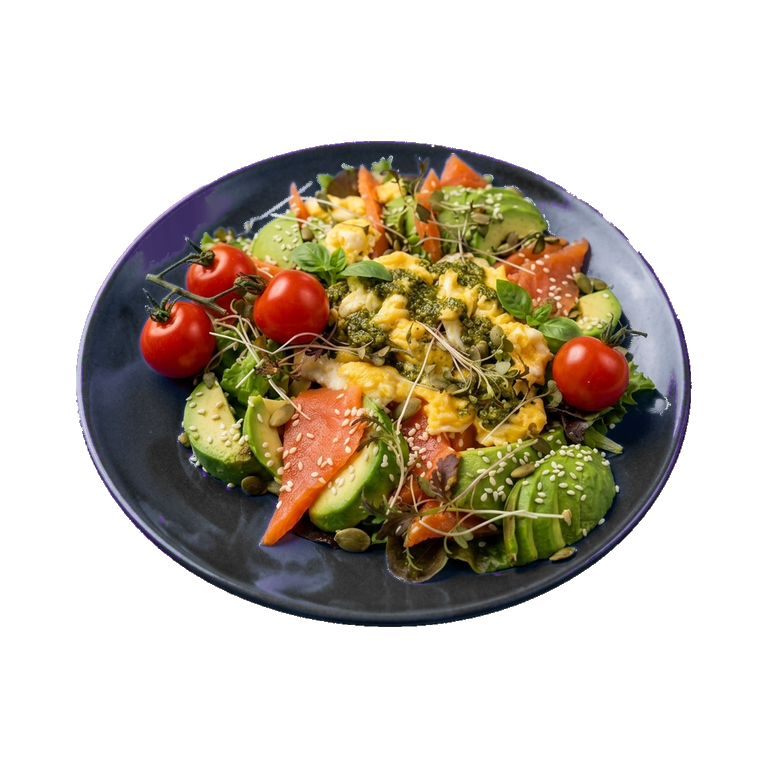
Microgreens work well with sharp and acidic flavors: vinaigrettes, mustard, lemon juice, vinegar — all of these enhance its character. With neutral ingredients (butter, cream, soft cheese), microgreens create contrast, adding dynamics to the plate. Try it with avocado, smoked fish, poached egg, mushrooms, or seafood — it will be perfect everywhere thanks to its size and flavor intensity.
Selection and Storage
- Choose microgreens that are bright green, without signs of yellowing or wilting. The leaves should be firm and vibrant
- Check the packaging — if microgreens are in a container, make sure there is no condensation or rot inside
- Store in the refrigerator in the lower compartment in the original packaging or in an airtight container with a paper towel that will absorb excess moisture
- Use within 3–5 days after purchase — microgreens wilt faster than regular lettuce because the leaves are thinner
- Do not wash in advance — add directly to the dish or rinse with cold water immediately before serving
Microgreens are not just a trendy ingredient, but a practical helper in the kitchen. Small portions mean you won't overpay for a product that will wilt. Intense flavor allows you to use less greens and achieve a greater effect. If you're looking for a way to make a simple dish more interesting and professional-looking, microgreens are your choice.
Nutrition
per 100 g
- Calories
- 16 kcal
- Protein
- 1.3 g
- Fat
- 0.2 g
- Carbs
- 2.9 g
Measures and weight
- 1 bunch
- 30 g
- 1 sprig
- 2 g
Measure calculator
- Weight
- 100 g
- Calories
- 16 kcal