Usuba
Usuba
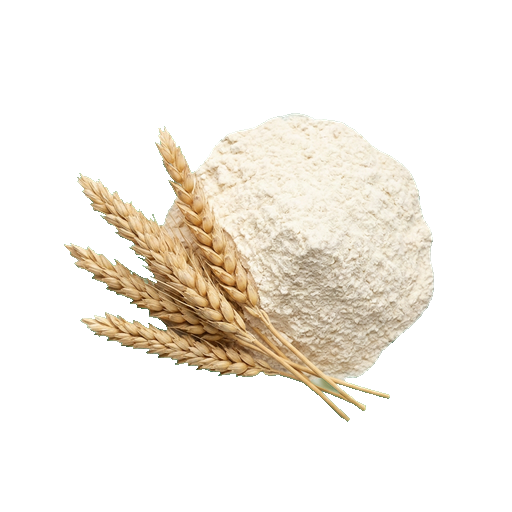
Flour with baking powder
Self-rising flour is a mixture of wheat flour and chemical leavening agents (usually baking soda and acidic salts) that release gas when interacting with moisture and heat, making the dough fluffy and airy. This flour is convenient for quick baking preparation without the need to separately measure the leavening agent, especially for muffins, pancakes, cookies, and sponge cakes. When using it, it is important to remember that the leavening agent begins to work immediately when mixed with liquid, so the dough should be baked without delay, and it is also necessary to check the expiration date, as the activity of the leavening agent decreases over time.
About
Self-rising flour is a ready-made mixture where leavening agents are already distributed throughout the flour. The main convenience: there's no need to separately measure and mix baking soda or baking powder. This type of flour saves time when preparing dough and reduces the risk of uneven distribution of the leavening agent, which is especially important for beginner cooks.
What's inside and how it works
It typically contains wheat flour and a leavening agent (a mixture of baking soda, an acidic component like cream of tartar or citric acid, and starch as a separator). When you add liquid to the dough, a chemical reaction begins: carbon dioxide is released, which creates bubbles and makes the baked goods light and fluffy. The speed of the reaction depends on temperature — that's why the dough needs to go into the oven right away.
Where to use it
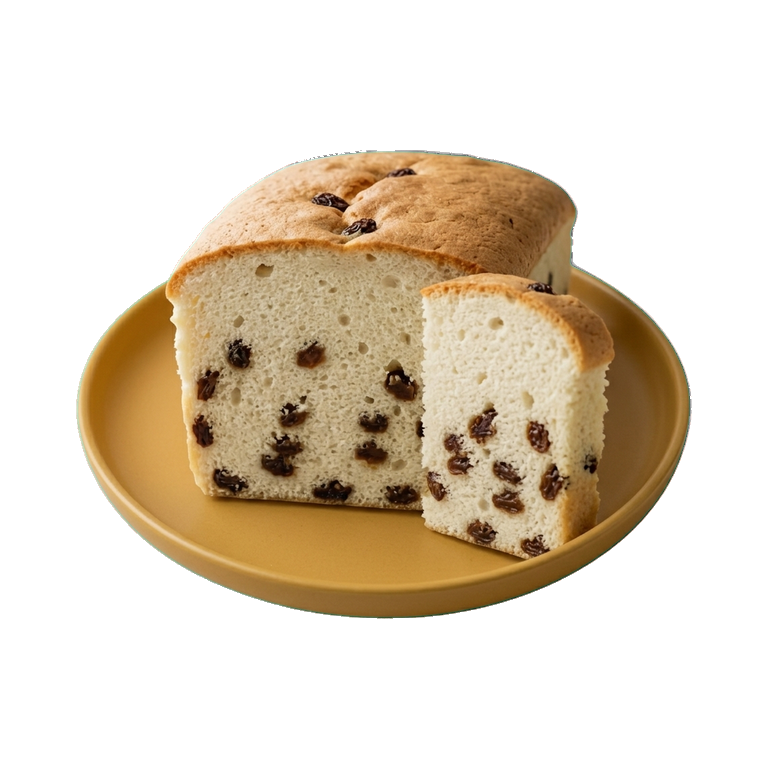
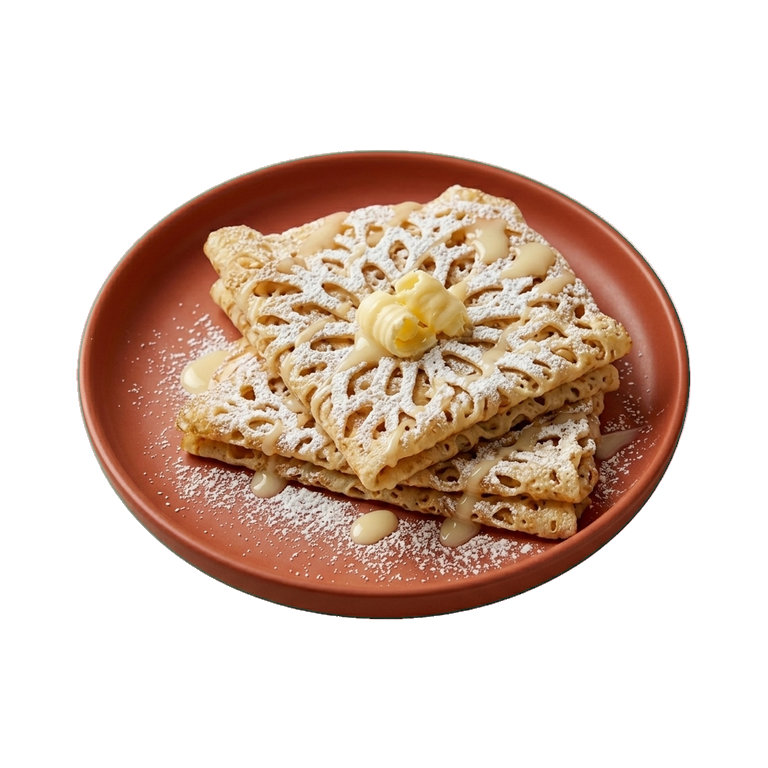
- Pancakes and fritters — flour with leavening agent makes them airy and cooks quickly
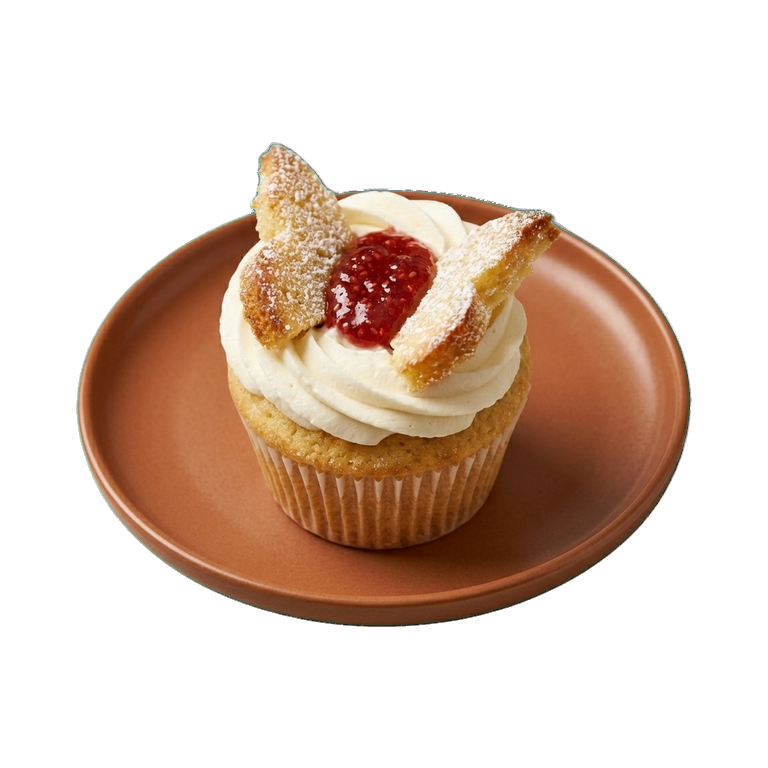
- Cupcakes and muffins — ideal choice for simple recipes without long whisking
- Sponge cakes and cookies — even fluffiness without lumps
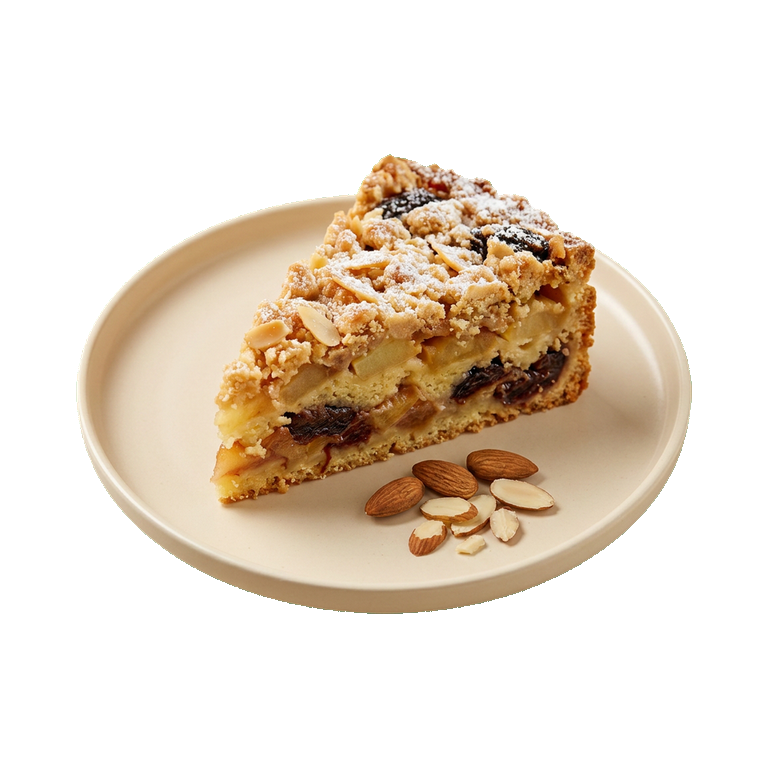
- Donuts and pies — quick dough without prolonged fermentation
Main limitation: this flour cannot be used in yeast dough (bread, buns) — the leavening agent will start working immediately, not during baking. It is also not suitable for puff pastry, where layering is achieved mechanically.
Selection and Storage
When purchasing, pay attention to the packaging date — leavening agents lose their effectiveness over time. Flour should be white, without any foreign odors or lumps. Store in a dry place in an airtight container, away from moisture: if the flour becomes damp, the leavening agent may start reacting prematurely.
- If a recipe calls for all-purpose flour plus a leavening agent, but you only have a ready-made mixture — use it as is, but make sure the proportions match
- For fluffier baked goods, you can add a little beaten eggs or egg whites, even if the recipe doesn't call for it
- If the mixture has been sitting for a while, check its activity: mix a pinch with water — bubbles should appear
Self-rising flour is not magic, but simply convenience. It doesn't improve taste or replace technique, but it saves you extra steps and makes baking more predictable. The perfect choice for quick breakfasts, family treats, and kitchen experiments.
Nutrition
per 100 g
- Calories
- 330 kcal
- Protein
- 10 g
- Fat
- 1 g
- Carbs
- 67 g
Measures and weight
- 1 tbsp
- 8.3 g
- 1 tsp
- 2.8 g
- 1 cup
- 137.5 g
Measure calculator
- Weight
- 100 g
- Calories
- 330 kcal