Usuba
Usuba
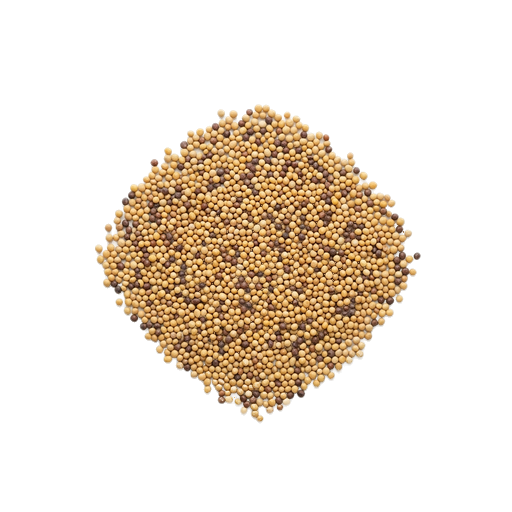
Mustard seeds
Small round seeds with a sharp, piquant flavor and light bitterness that reveal their aroma when heated or crushed. In cooking, they are used both whole for tempering oil and marinades, as well as ground for preparing mustard powder and sauces. When selecting, pay attention to dryness and color uniformity, and when storing, keep in an airtight container away from light to preserve the intensity of flavor.
About
Mustard seeds are small but powerful kitchen helpers. They can be black, brown, or yellow, and each variety has its own character. Black seeds are sharp and pungent, brown seeds are milder, and yellow seeds are the most delicate and slightly sweet. In their whole form, they are simply tiny grains, but once you crack them or expose them to heat, a deep, bitterish-spicy flavor with nutty notes unfolds.
Aroma and Taste
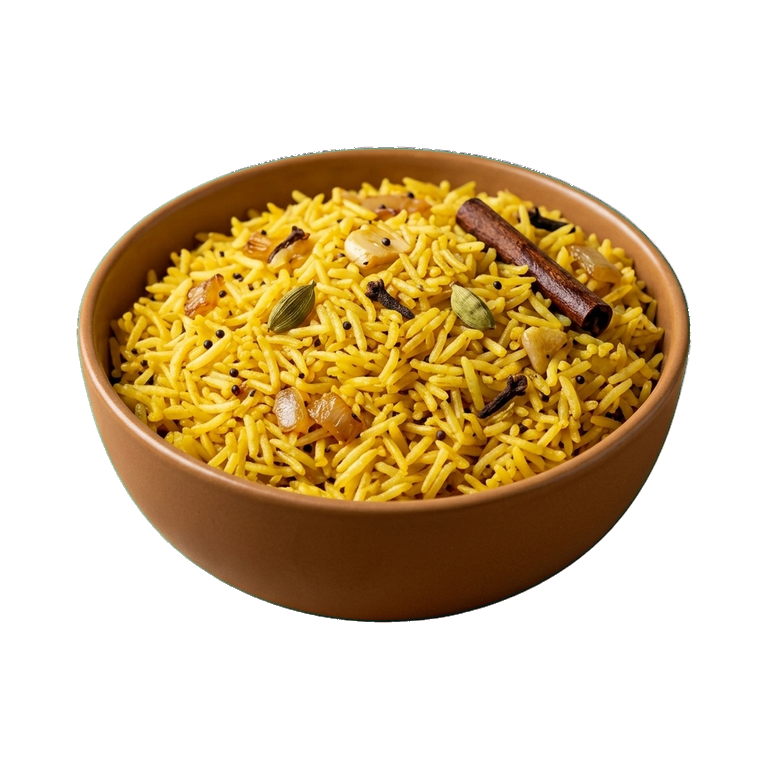
Raw mustard seeds have almost no smell and seem tasteless. Everything changes with heating: they begin to smell more intense, become more bitter, and acquire a slight pungency. If you roast them in a dry pan, the aroma becomes even more pronounced and slightly nutty. This is why in Indian cuisine, seeds are often tempered in hot oil at the very beginning of cooking — this is called tempering, and it changes the entire character of the dish.
Where and how to use
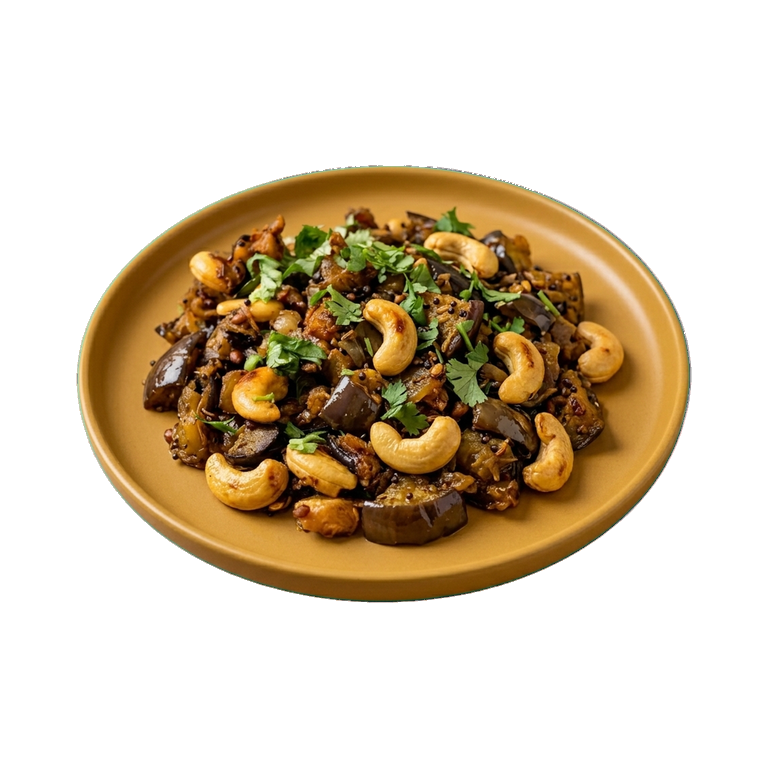
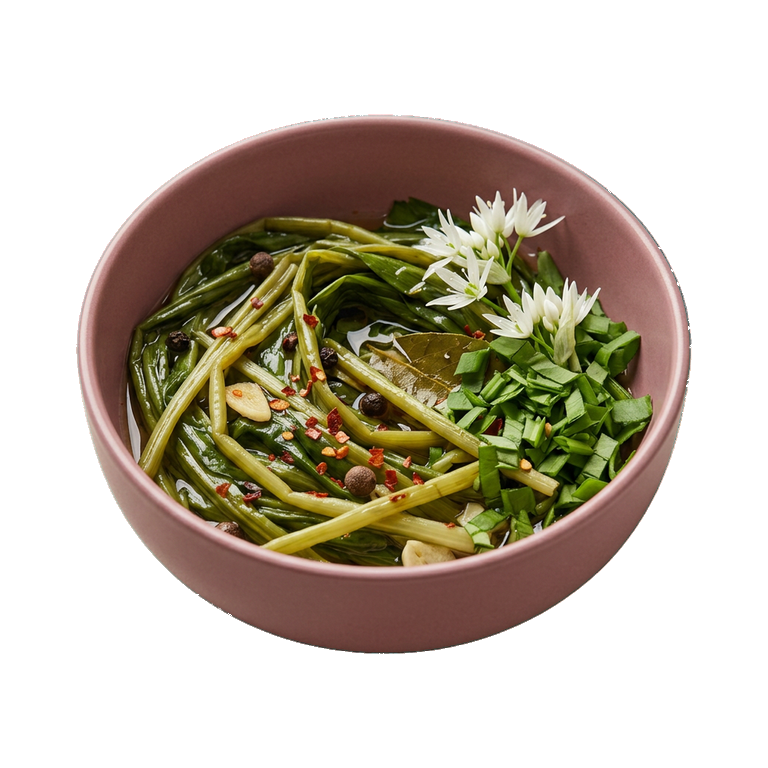
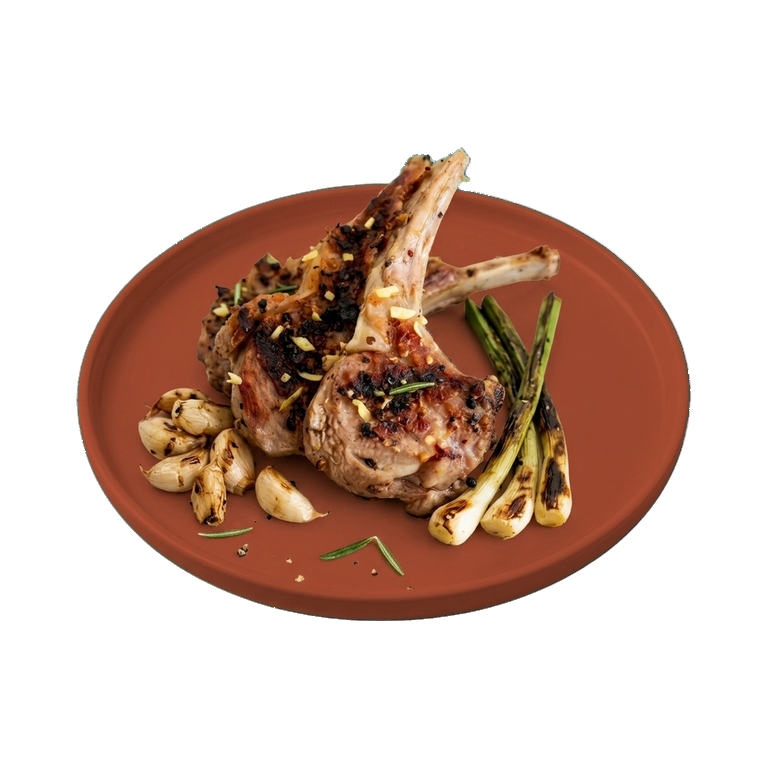
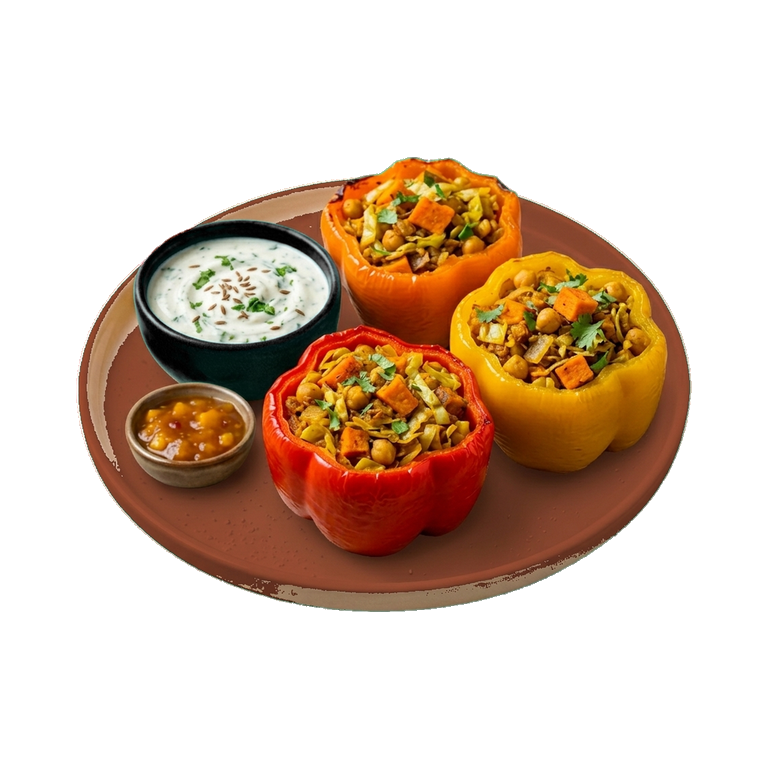
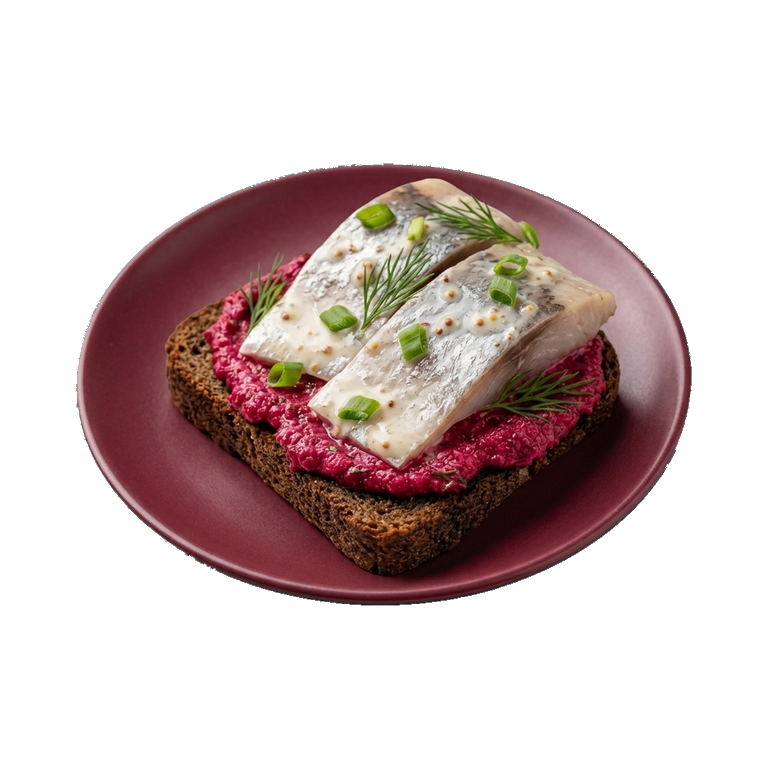
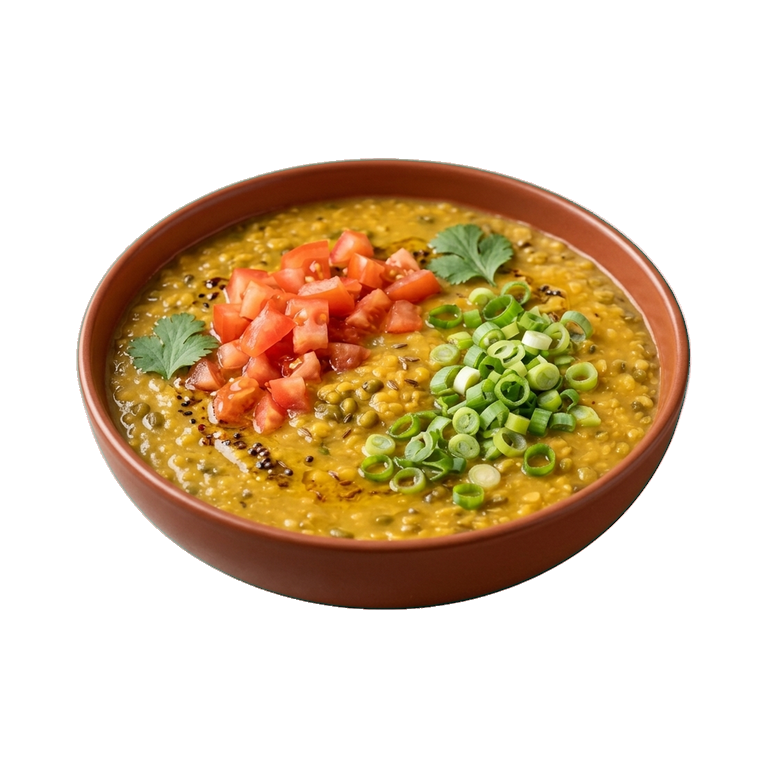
Mustard seeds work in three main roles. First, they are a spice for marinades and pickles — they add pungency and help preserve the crispness of vegetables. Second, they are the basis for mustard sauce: seeds are ground with vinegar, water and salt, resulting in a classic condiment. Third, they are a component for tempering in Indian cuisine, when seeds are heated in oil with other spices and this mixture is poured over a finished dish or soup base.
- Marinades for vegetables and meat
- Homemade mustard and mustard sauces
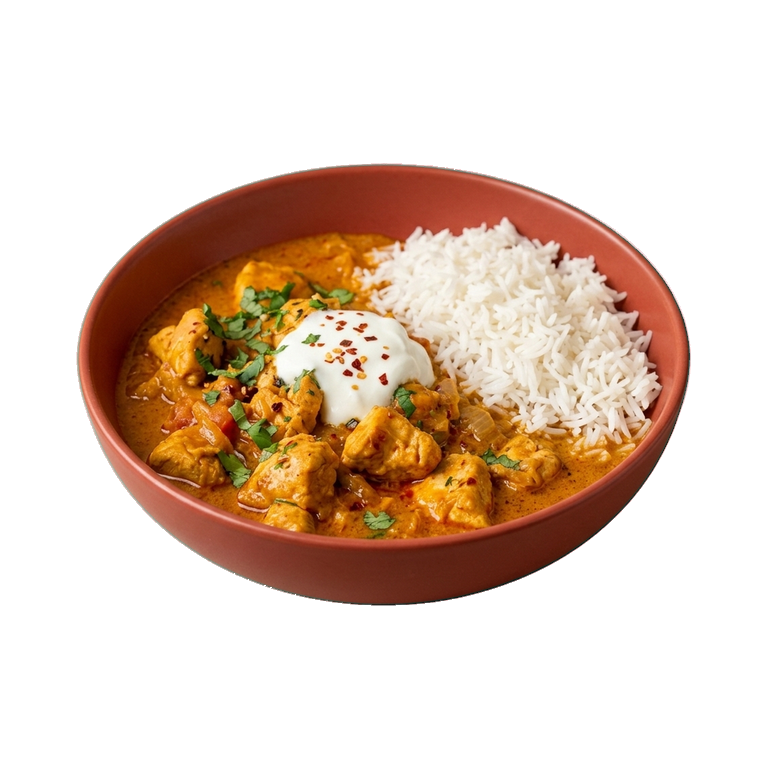
- Curry and Indian vegetable dishes
- Pickles and canning
- Salad dressings
Combinations with spices and ingredients
Mustard seeds pair well with classic pickling spices: cloves, bay leaf, black pepper, and dill. In Indian cuisine, they work excellently with turmeric, asafoetida, cumin, and coriander. With acidity — vinegar and lemon — they reveal themselves particularly brightly. In oil, they unlock their potential when combined with garlic, ginger, and red pepper.
Selection and Storage
Buy mustard seeds in airtight packaging, preferably from specialized stores where goods are refreshed frequently. Good seeds should be whole, without lumps and foreign odors. Black and brown seeds are sharper than yellow ones — choose depending on how bold a flavor you need.
Store seeds in a tightly sealed jar in a cool, dry place, away from sunlight. With proper storage, they retain their aroma and pungency for about a year. If you use mustard frequently, keep it in a convenient container with a wide opening for easy portioning. Ground mustard powder is stored the same way, but it loses its flavor faster, so it's better to grind seeds as needed.
Tip: before using in a marinade or sauce, toast the seeds in a dry pan for a minute or two. They will become more aromatic, and you'll feel when they're ready — a light smoke and nutty aroma will appear. This simple technique will turn an ordinary marinade into a truly delicious one.
Nutrition
per 100 g
- Calories
- 475 kcal
- Protein
- 24.9 g
- Fat
- 28.7 g
- Carbs
- 34.3 g
Measures and weight
- 1 tbsp
- 10.5 g
- 1 tsp
- 3.5 g
- 1 cup
- 175 g
Measure calculator
- Weight
- 100 g
- Calories
- 475 kcal