Usuba
Usuba
Olive Mayonnaise
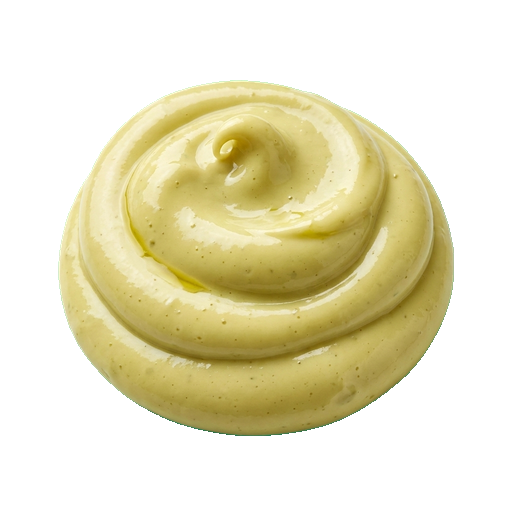
Olive mayonnaise is an emulsion of eggs, oil, and acid, where olive oil is used instead of sunflower or rapeseed oil. It has a richer, slightly nutty flavor with herbal notes, which are particularly pronounced in mayonnaise made from first-pressed oil. In cooking, such mayonnaise is better suited for dressing salads, spreading on bread, and serving with seafood than for hot dishes, since olive oil loses its qualities when heated. When choosing, pay attention to the production date and storage conditions — olive mayonnaise is more sensitive to oxidation than classic mayonnaise.
About
Olive mayonnaise is not just a classic sauce with added oil. It is a completely different approach to mayonnaise, where olive oil becomes the main character, not a secondary ingredient. Such mayonnaise has a more pronounced flavor, interesting texture, and quite different fat content compared to the traditional version made with sunflower oil.
Taste and Aroma
The main difference of olive mayonnaise lies in its recognizable, slightly herbaceous aftertaste. If quality oil is used, you will feel delicate nutty notes and a light bitterness on the finish. The texture turns out to be denser and creamier than regular mayonnaise — the oil gives it thickness and a characteristic shine. The smell is clearly different from the familiar one: instead of a neutral aroma, you will hear a pronounced olive flavor.
Where and how to use it
Olive mayonnaise works everywhere you need a sauce with character. It's ideal for sandwiches with quality bread and fresh vegetables, perfectly complements fish and seafood, and works great in salads as an alternative to regular dressing. You can use it as a base for sauces — add garlic, lemon, herbs and create something completely new.
- Sauce for french fries and vegetable appetizers
- Base for aioli and other emulsion sauces
- Spread for sandwiches and toasts
- Component of salad dressings
- Sauce for fish and seafood
Selection and Storage
When choosing, pay attention to the composition: a good olive mayonnaise should contain eggs, olive oil, vinegar, and spices. The higher the percentage of olive oil, the more pronounced the flavor will be. Check the expiration date and storage conditions on the label. After opening, keep the jar in the refrigerator and use it within the time specified by the manufacturer — usually 1–2 months.
- Store only in the refrigerator after opening
- Close the lid tightly to prevent absorbing odors
- Avoid sudden temperature changes
- Check the consistency before use — if separated, mix well
Successful Pairings
Olive mayonnaise pairs perfectly with Mediterranean cuisine ingredients. Try it with tomatoes, basil, garlic, and lemon. It harmonizes well with white fish varieties, shrimp, and squid. It's easy to prepare sauces based on it for vegetable side dishes and baked potatoes. With fresh herbs, hot spices, and citrus fruits, it reveals itself in a completely new way.
Olive mayonnaise is an investment in taste quality. Even a small amount of this sauce can transform a simple snack into something special. The key is to choose a good product and not be afraid to experiment with its use.
Nutrition
per 100 ml
- Calories
- 680 kcal
- Protein
- 0.3 g
- Fat
- 75 g
- Carbs
- 0.7 g
Measures and weight
- 1 tbsp
- 13.7 g
- 1 tsp
- 4.5 g
- 1 cup
- 227.5 g
Measure calculator
- Weight
- 100 g
- Calories
- 747 kcal