Usuba
Usuba
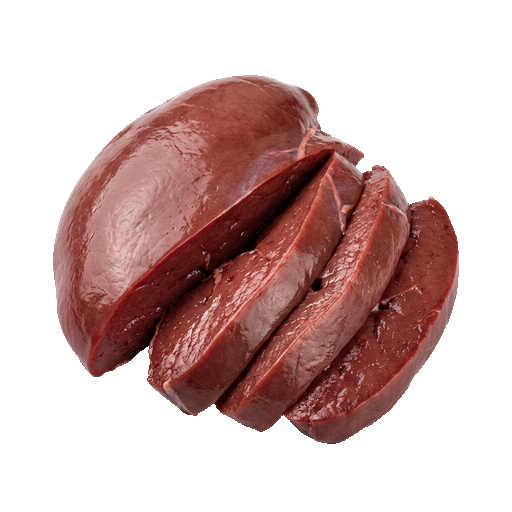
Liver
Liver is one of the most nutritious offal products, rich in iron, B vitamins, and protein. It has a rich, meaty flavor with a slight bitterness and a tender texture that requires careful cooking to avoid becoming tough. It is used in pâtés, stews, ground meat preparations, and as a standalone dish — it is fried, braised, or grilled, often combined with onions, butter, and herbs to soften its distinctive taste.
About
Liver is one of the most nutritious and versatile offal products in the kitchen. It is valued for its rich flavor, tender texture, and ability to absorb the aromas of sauces and spices. This is a product that is equally good in a home-style cutlet and in a restaurant pâté, in Asian stir-fry and in classic European ragout.
Taste and Aroma
Liver has an intense, slightly metallic flavor with a barely noticeable bitterness. It is not a neutral ingredient — it demands respect for its character. Young liver is softer and more tender, with a less pronounced taste than that of an adult animal. The aroma of raw liver may seem harsh, but with proper handling and cooking, it transforms into a rich, deep, and appetizing flavor.
Role in Dishes
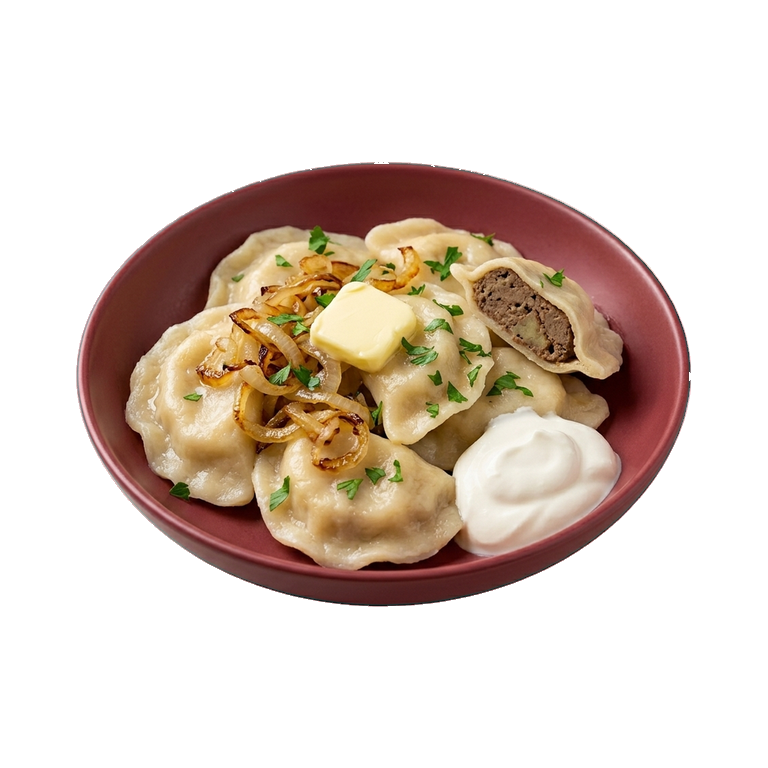
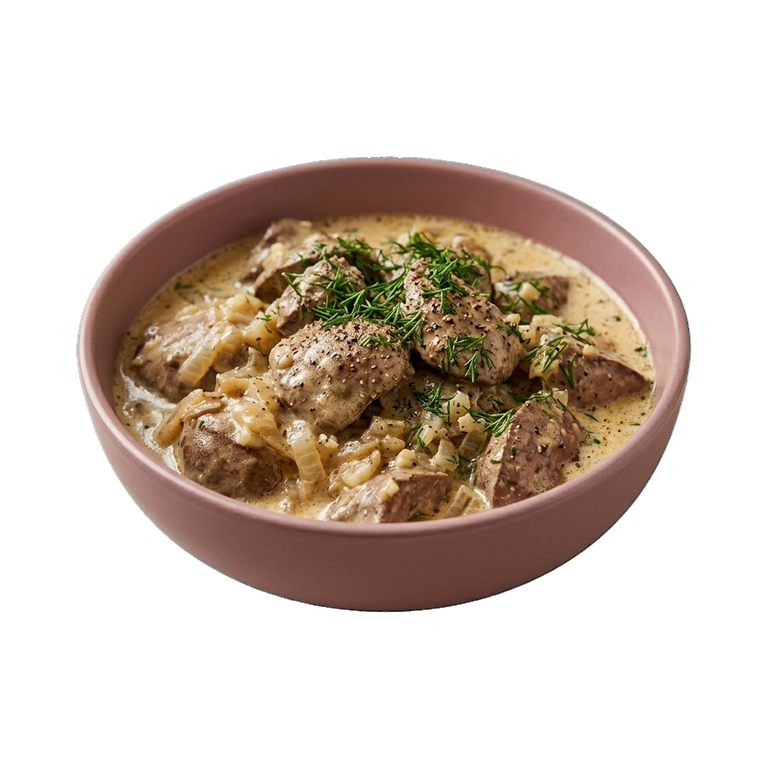
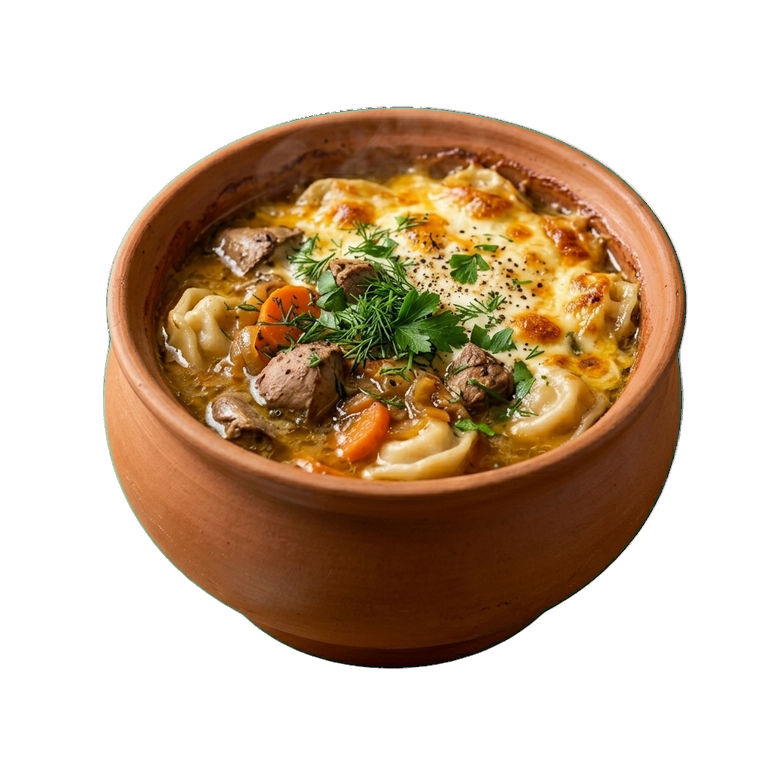
Liver is a main ingredient, not a secondary one. It can be the star of a dish: fried liver with onions, liver in cream sauce, liver as pâté or mousse. It is also added to minced meat for cutlets and meatballs, used to enrich the flavor of broths and gravies. This offal works well as part of complex dishes, where its deep flavor is balanced by acidity, sweetness, or spices.
Perfect Pairings
- Onion and garlic — classic partners that soften the intensity of liver and add sweetness
- Butter and cream — create a velvety texture and round out the flavor
- Acidic components: vinegar, wine, lemon juice — cut through the heaviness and refresh the dish
- Herbs: thyme, rosemary, parsley — add freshness and aromatic depth
- Spices: nutmeg, black pepper, paprika — emphasize the natural flavor
- Mushrooms and tomatoes — create umami and harmonize with the iron notes
Cooking Technique
Golden rule: don't overcook the liver. It cooks quickly — overcooked liver becomes tough and bitter, losing its juiciness. Usually 3–5 minutes of frying over high heat or 15–20 minutes of stewing is enough, depending on the size of the pieces. Before cooking, it's recommended to remove the membrane and soak the liver in milk for 30–60 minutes — this will soften the taste and remove excess bitterness.
Selection and Storage
When choosing, rely on color and smell. Fresh liver should be shiny, smooth, dark red or brown (depending on the type of animal), without spots or slime. The smell should be meaty, without mustiness or ammonia notes. Buy liver immediately before cooking or store in the refrigerator for no more than 1–2 days in an airtight container. For long-term storage, liver freezes well — in the freezer it will maintain quality for up to 3 months.
Liver is an ingredient for a confident cook who is not afraid to work with intense flavors. If you're cooking it for the first time, start with a classic recipe of liver with onions, and then experiment with sauces and spices. The result is worth the effort: the dish will turn out hearty, aromatic, and memorable.
Nutrition
per 100 g
- Calories
- 135 kcal
- Protein
- 17.9 g
- Fat
- 3.6 g
- Carbs
- 3.9 g
Measure calculator
- Weight
- 100 g
- Calories
- 135 kcal