Usuba
Usuba
Pink Himalayan Salt
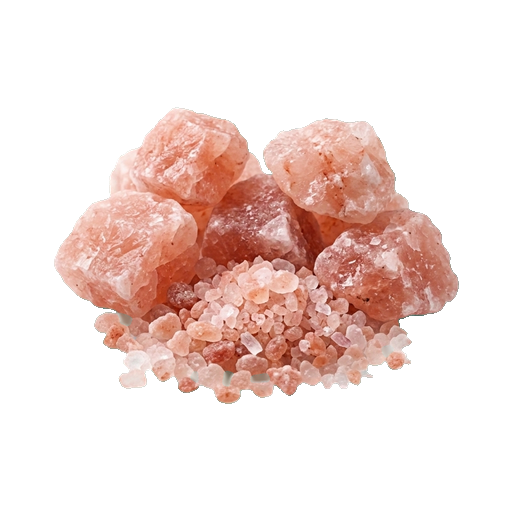
Mineral salt with a characteristic pink hue, mined in the foothills of the Himalayas and containing iron, potassium, and magnesium, which imparts a subtle mineral flavor. Used both for finishing dishes and for marinades and pickling — large crystals dissolve more slowly and create an interesting texture. When substituting for regular table salt, keep in mind that the mineral composition may slightly alter the flavor profile, especially in delicate sauces and marinades.
About
Pink Himalayan salt is not just a seasoning, but a mineral concentrate that transforms a dish's flavor profile. Its delicate pink hue indicates the presence of iron and other trace elements, while its large crystals allow you to control saltiness with precision. In the kitchen, it works differently than regular table salt: it dissolves more slowly, provides a softer salty taste, and leaves a subtle mineral aftertaste.
Taste and Aroma
The main difference from sea salt is its delicacy. Pink Himalayan salt doesn't cut the tongue with sharp saltiness, but rather envelops it, creating a rounded flavor profile. Mineral notes are barely perceptible, but they add depth, especially noticeable in simple dishes: on tomatoes, avocado, or soft cheese. There's practically no aroma — this is a plus when you need to preserve the natural smell of the product.
Where she works in the kitchen
Large crystals are ideal for finishing touches: sprinkle salt on the steak right before serving, and each bite will get a bright salty accent. On the table in a salt shaker, it will be an alternative to regular salt — your guests will appreciate its mildness. In marinades and when cooking, pink salt works more slowly, so you need to add it a bit earlier and in slightly larger quantities than regular salt.
- Sprinkling meat and fish before cooking or serving
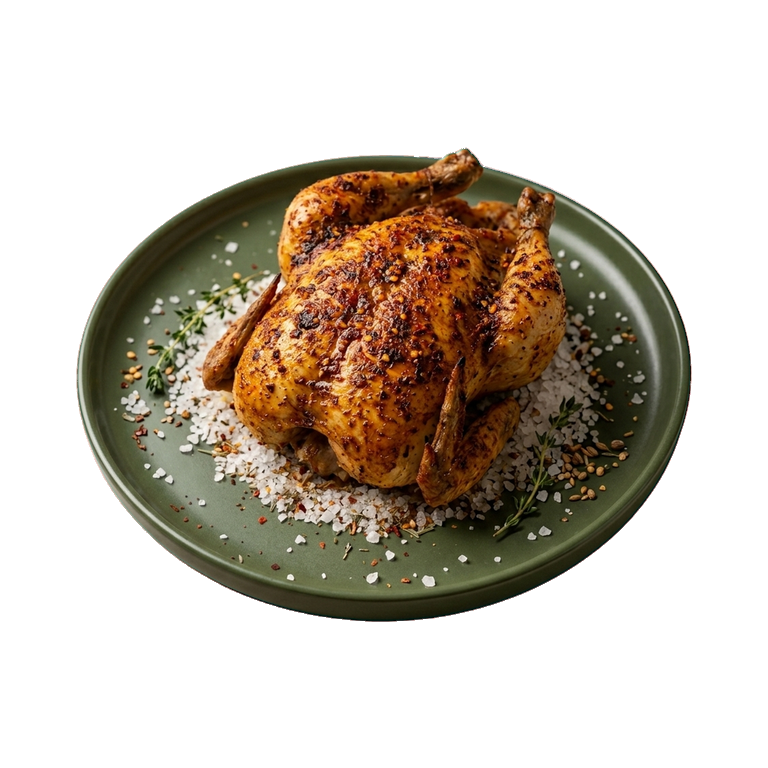
- Salt crust for baking whole fish or poultry
- Garnishing salads and vegetable dishes
- Marinades for vegetables and meat (requires more time to dissolve)
- Salted caramel and desserts
How to Choose and Store
Look for crystals of uniform pink color without white spots — this is a sign of purity. Salt that is too light is often diluted, too dark salt may be contaminated. Crystal size is a matter of taste: large crystals are more convenient for finishing, fine crystals dissolve faster in dough or marinade.
Pink salt lasts practically forever in a dry place at room temperature. The main thing is to protect it from moisture, otherwise the crystals will clump together. A tightly sealed jar or salt shaker with an airtight lid is ideal. If the salt does get damp, spread it on a baking sheet in the oven at 50 degrees for an hour, and the crystals will become crumbly again.
Practical tip
Don't rush to completely switch to pink salt in your everyday cooking. It's more expensive than regular salt, and its mild flavor may go unnoticed in complex sauces or hot dishes. Save it for finishing touches, simple salads, and those moments when each crystal matters. This way, you'll get the most out of its quality without overpaying.
Nutrition
per 100 g
- Calories
- 0 kcal
- Protein
- 0 g
- Fat
- 0 g
- Carbs
- 0 g
Measures and weight
- 1 tbsp
- 22.5 g
- 1 tsp
- 7.5 g
- 1 cup
- 375 g
Measure calculator
- Weight
- 100 g
- Calories
- 0 kcal