Usuba
Usuba
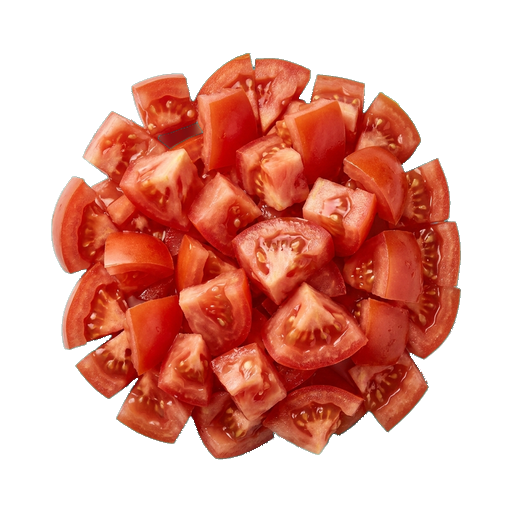
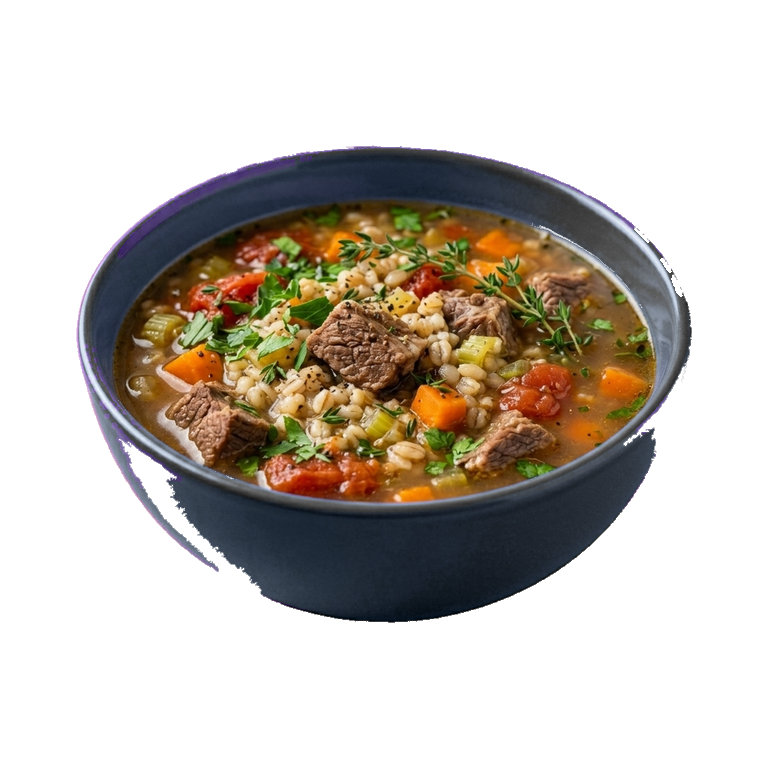
Chopped tomatoes
Tomatoes cut into pieces or cubes are a convenient form for adding to sauces, soups, stews, and braised dishes. They retain a bright tomato flavor and texture, soften quickly when heated, release their juice, and add richness to the dish. When selecting, pay attention to the juiciness of the tomatoes and the absence of damage, and if you cut them yourself, slice them right before use to preserve the aroma and vitamins.
About
Diced tomatoes are a ready-made semi-finished product that saves time in the kitchen and delivers consistent results. Whether canned tomato pieces in their own juice or freshly cut tomatoes, they work as a universal helper for soups, sauces, stews, and many other dishes. The main advantage is that you get a product with predictable consistency and moisture content without spending effort on slicing and peeling.
Taste and Aroma
Canned diced tomatoes retain a concentrated tomato flavor — sometimes even more expressive than fresh ones, because the liquid reduces and the sugars become more pronounced. They often have a slight tanginess that helps balance fatty and heavy dish components. Fresh chopped tomatoes, on the other hand, provide wateriness and freshness, ideal for summer salads and light appetizers.
Where they work
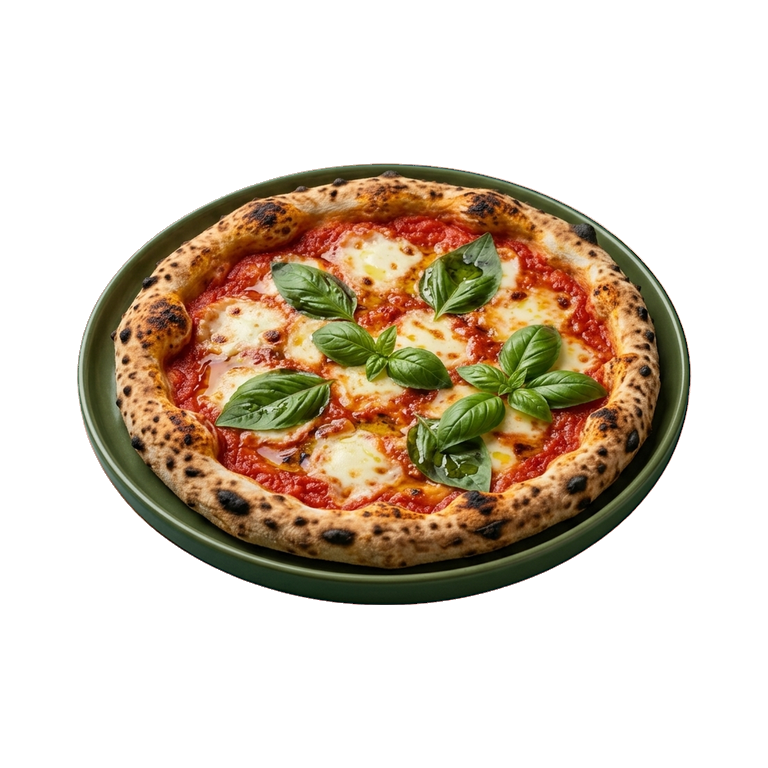
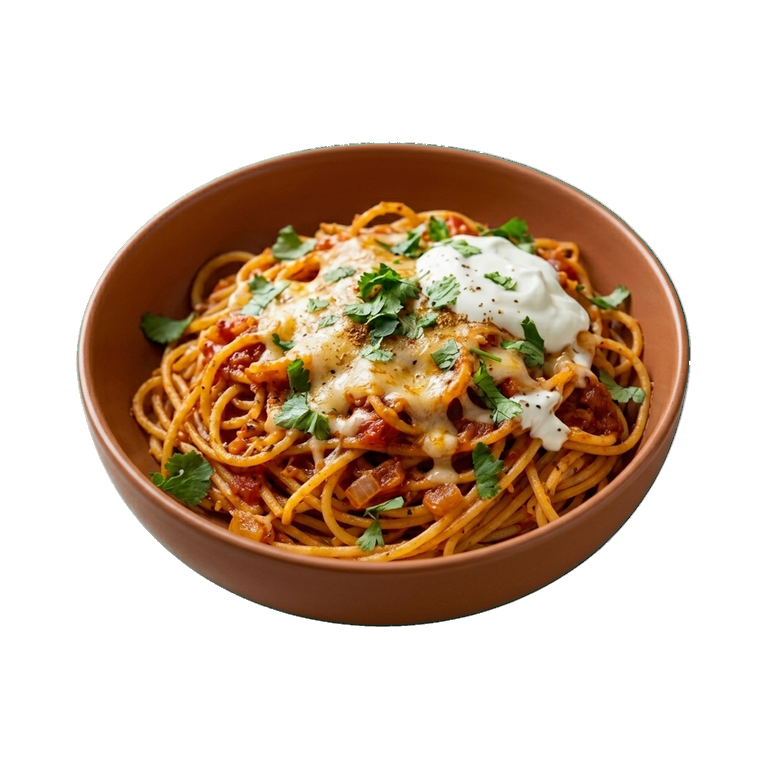
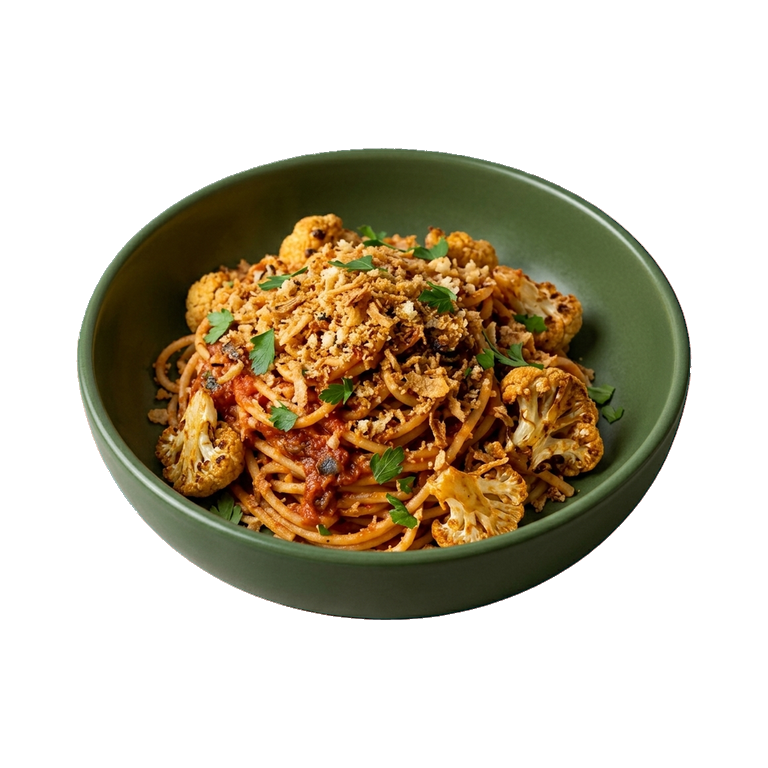
- Tomato sauces and passatas — the foundation for pasta, pizza, lasagna
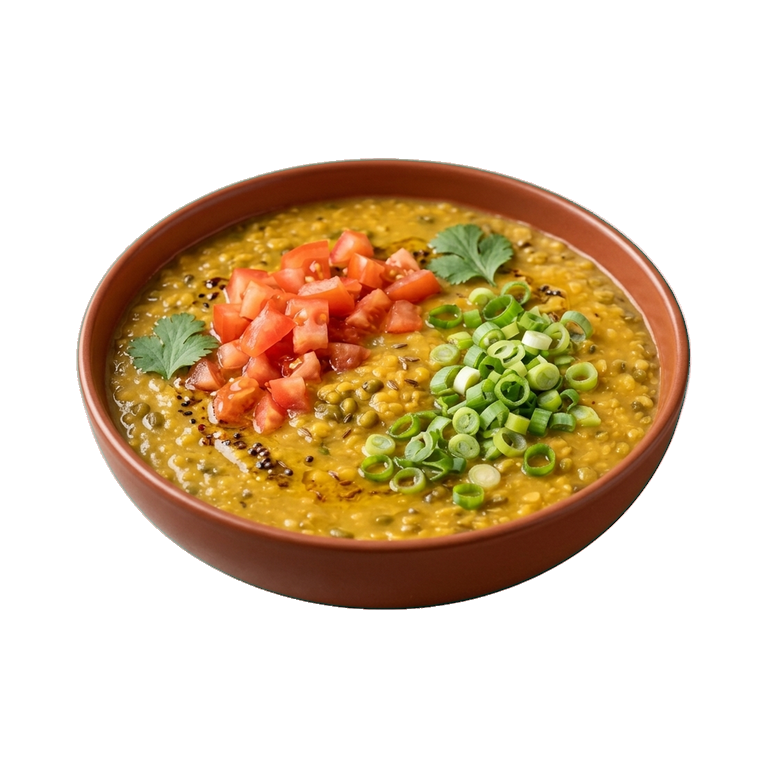
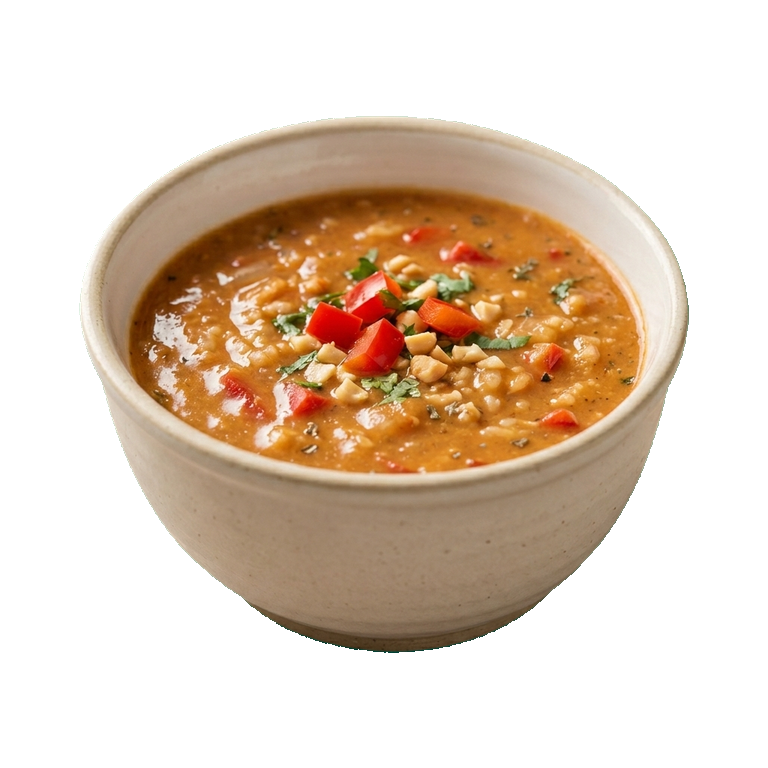
- Soups and borscht — tomato pieces dissolve in the broth, making it more rich
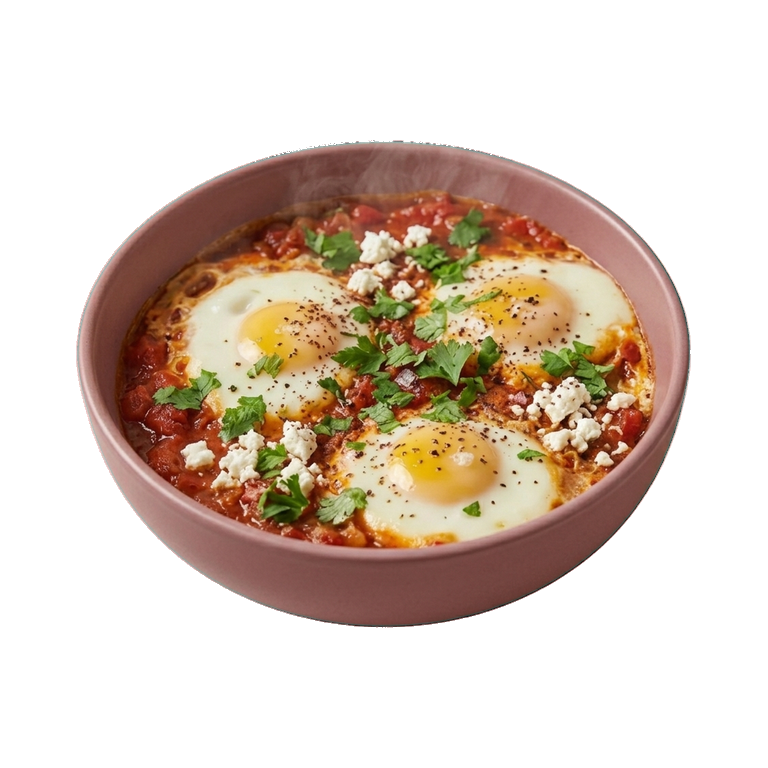
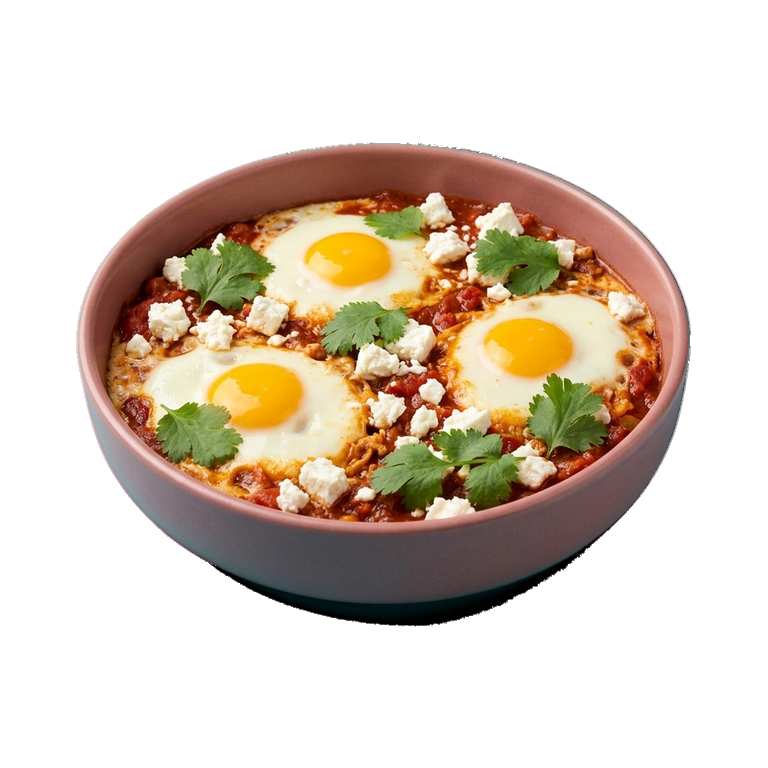
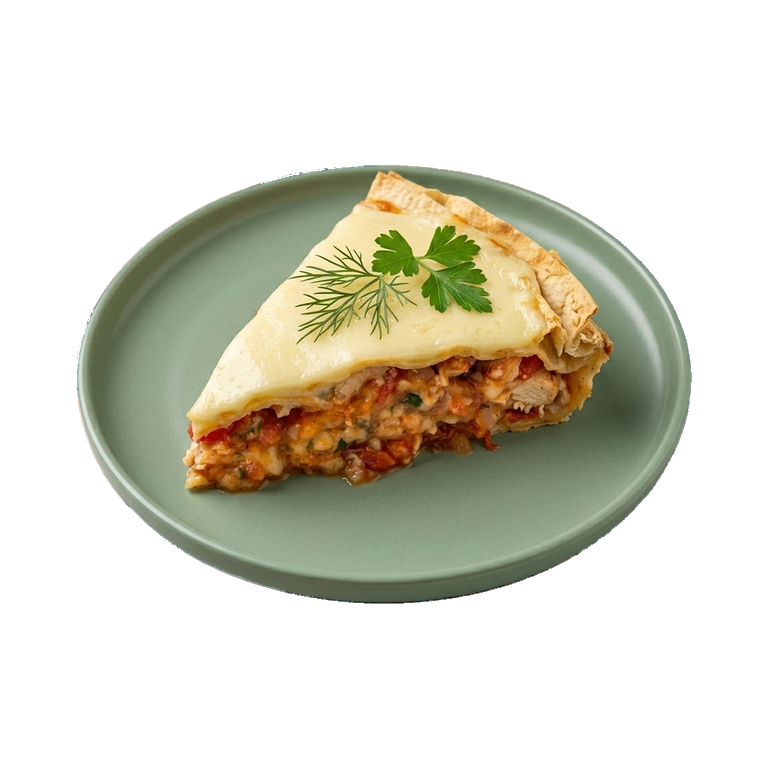
- Stews, braised vegetables and meat dishes — create a thick, aromatic sauce
- Salads and appetizers — fresh pieces add texture and color
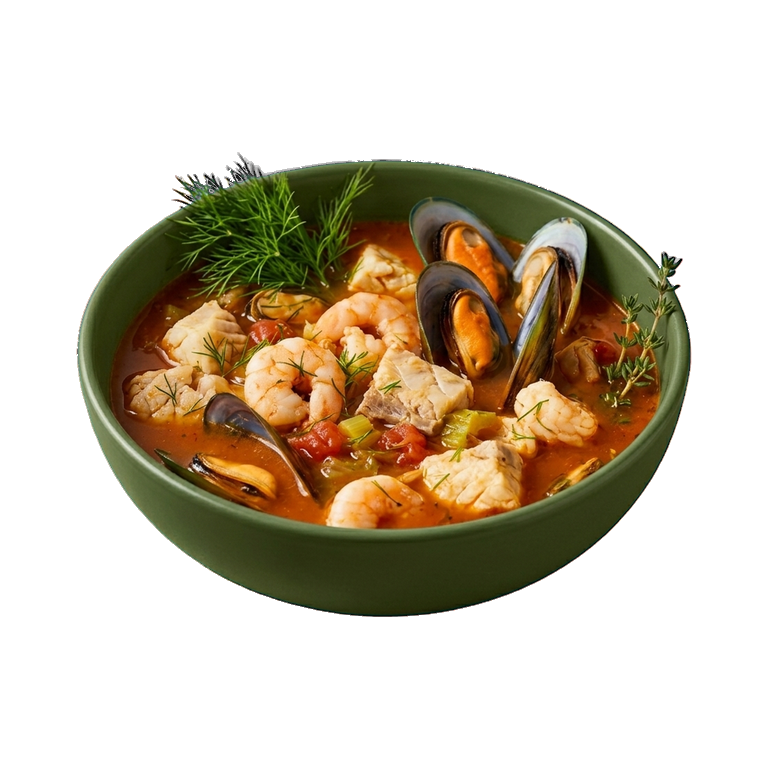
- Side dishes for fish and meat — tangy flavor refreshes and lightens the perception of fatty foods
How to Choose and Store
Look for canned diced tomatoes in airtight jars or packages — glass is preferable as you can see the contents. Check the production date and expiration date. Pay attention to the ingredients: the fewer additives, the better. Ideally, it should contain only tomatoes, salt, and perhaps citric acid. Fresh chopped tomatoes are best used on the day of purchase or stored in the refrigerator for no more than two days in an airtight container.
- Store canned jars in a cool, dark place — a pantry or kitchen shelf is ideal
- After opening a jar, transfer the contents to a glass container and refrigerate for 3–5 days
- Frozen tomato pieces will last several months but lose texture — use them only for cooking
Practical Tips
If canned tomatoes are too watery, drain some of the liquid before adding to the dish or cook the sauce longer to evaporate excess moisture. For a smoother texture, blend the pieces with a blender. Fresh tomatoes cut into large chunks hold their shape better in cold dishes, while small pieces release their juice and flavor more quickly into hot sauce. Remember: canned tomatoes are already salted, so season the dish carefully.
Nutrition
per 100 g
- Calories
- 18 kcal
- Protein
- 0.9 g
- Fat
- 0.2 g
- Carbs
- 3.9 g
Measures and weight
- 1 slice
- 30 g
Measure calculator
- Weight
- 100 g
- Calories
- 18 kcal