Usuba
Usuba

Port wine
Fortified wine from Portugal with rich fruity flavor and characteristic sweetness, achieved by adding grape spirit during fermentation. In cooking, port wine is used for preparing sauces for meat and game, added to soups and marinades, giving dishes depth and noble taste. When choosing for cooking, note that red port wine suits meat dishes, while white port is ideal for fish and desserts.
About
Port wine is a fortified wine that has become an indispensable helper in the kitchen. Its slightly sweet taste and rich aroma work as a flavor enhancer, adding depth and roundness to dishes. In cooking, port wine is valued not only for its finished taste, but also for its ability to reveal other ingredients when used correctly.
Aroma and Flavor
Port wine reveals notes of dried fruits, cocoa, vanilla, and sometimes spicy spices. Red port wine imparts berry undertones, while white port offers more floral and honey notes. The alcohol content in the drink—from 19 to 22%—ensures stability during cooking, so the spirit partially evaporates, leaving behind the flavor.
Role in Dishes
- Deglazing the pan: port wine dissolves stuck pieces of meat or vegetables, turning them into a sauce base
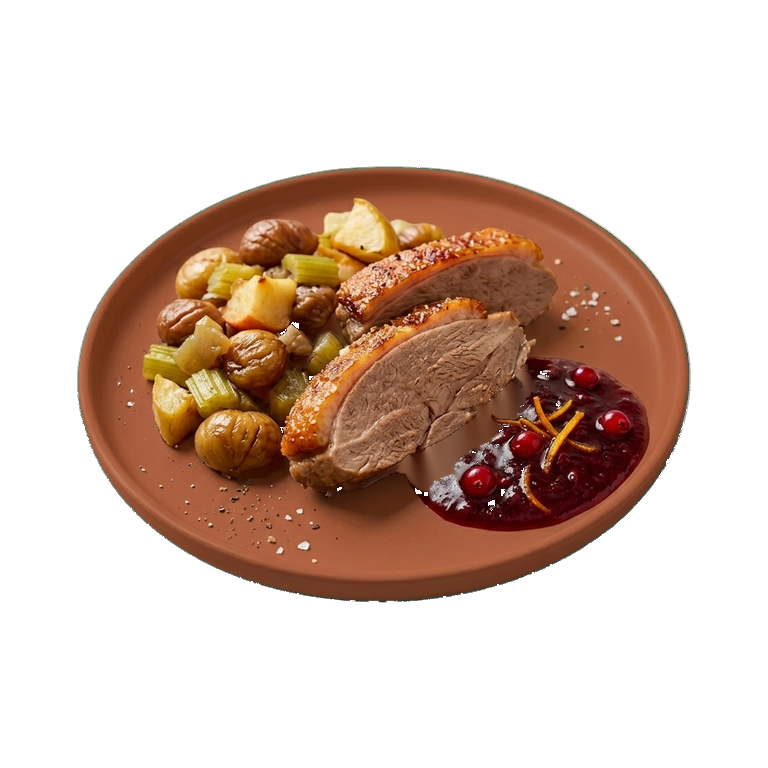
- Marinades for beef and duck: acidity and sweetness soften fibers and add complexity to the flavor
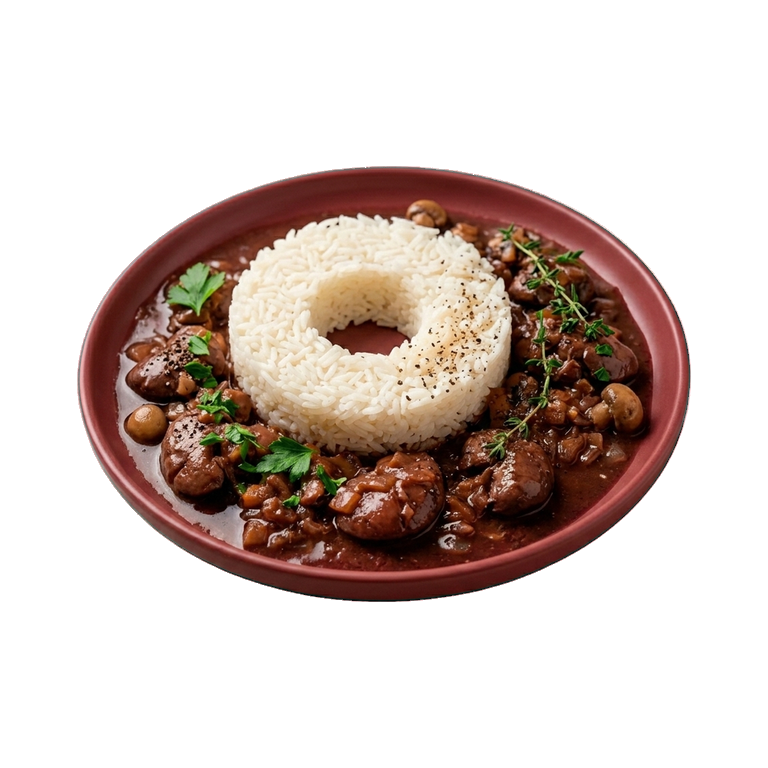
- Sauces for game and red meat: port wine creates thick, glossy sauces with berry notes
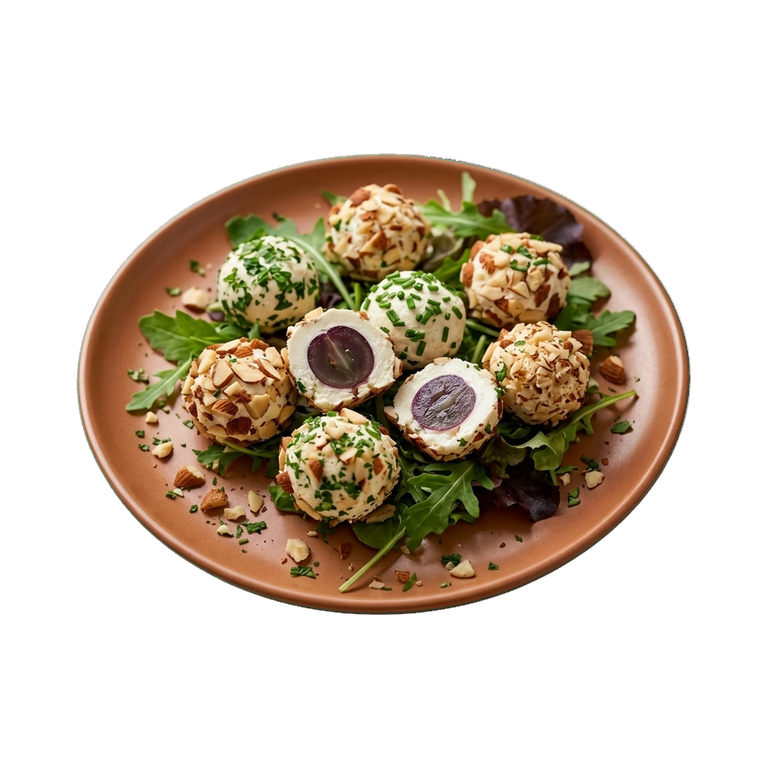
- Pâtés and terrines: a small amount of port wine binds ingredients and enriches the flavor
- Desserts: pears, plums and chocolate dishes benefit from port wine in compote or sauce
Pairs well with
Red port wine pairs well with beef, berries, mushrooms, and dark chocolate. White port wine works well with fish, seafood, white meat, and fruit desserts. Port wine enhances the flavor of spices — cloves, cinnamon, allspice — which is why it is often added to spicy sauces.
Selection and Use
For cooking, a mid-range port wine is suitable — expensive vintage versions lose their value when heated. Open the bottle immediately before use: port oxidizes more slowly than regular wine due to its alcohol content, but it's still better not to leave it open for long.
- Add port wine at the beginning of sauce preparation so the alcohol evaporates and the flavor remains
- For marinades, mix with oil and spices in a 1 part port wine to 3 parts oil ratio
- Use sparingly in desserts: 50–100 ml per serving is enough to feel the taste
- Store an open bottle in a cool place; port wine maintains its quality for several weeks thanks to its alcohol content
Port wine is not just alcohol, but a tool that transforms a simple sauce into something memorable. The key is not to overdo it and give it time to open up over heat.
Nutrition
per 100 ml
- Calories
- 160 kcal
- Protein
- 0.2 g
- Fat
- 0 g
- Carbs
- 13.7 g
Measures and weight
- 1 tbsp
- 14.8 g
- 1 tsp
- 5 g
- 1 cup
- 247.5 g
Measure calculator
- Weight
- 100 g
- Calories
- 162 kcal