Usuba
Usuba
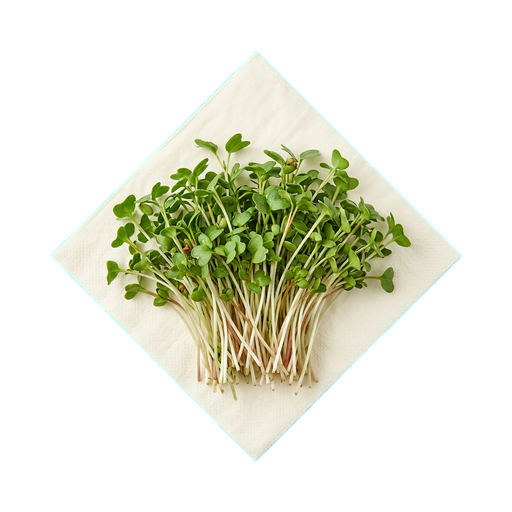
Buckwheat sprouts
Young buckwheat sprouts have a delicate structure, a slightly nutty flavor, and a pleasant crunch. They are rich in vitamins and minerals, especially in the first days of sprouting, and add freshness to salads, smoothies, and side dishes. When choosing sprouts, pay attention to their firmness and the absence of slime — store them in the refrigerator for no more than a week and use them raw to preserve their beneficial properties and crispy texture.
About
Buckwheat sprouts are grains in an early stage of germination, when the first white roots and delicate leaves have just begun to emerge from them. At this moment, buckwheat accumulates a maximum of beneficial substances: the awakened grain activates its reserves to give life to a new plant. This is precisely why sprouts are so valued in healthy nutrition — they work as a concentrated source of energy and vitamins.
Taste and Texture
Buckwheat sprouts have a soft, slightly sweet taste — much more delicate than mature groats. The texture is crispy but not tough: they are easily crushed between the teeth. The aroma is fresh, herbaceous, with a barely noticeable nutty note. This makes them a versatile ingredient that doesn't overpower other flavors in a dish, but complements them.
How to use in the kitchen
Buckwheat sprouts are mainly eaten raw — this way they retain the maximum amount of vitamins and enzymes. They are added to salads, sprinkled on top of soups, mixed into smoothies, or simply eaten by the handful as a snack. On porridges and hot dishes, they lose their crunchiness, so they are added at the end of cooking or already to the finished dish.
Successful Pairings
- Green salads with lemon dressing — sprouts add volume and nutritional value
- Smoothie with banana and yogurt — create a pleasant contrast of textures
- Vegetable soups before serving — do not get soggy and remain crispy
- Porridge with milk or plant-based drink — topping added before eating
- Sandwiches and open-faced sandwiches — replace regular salad with greater health benefits
Selection and Storage
Sprouts should be light in color — white or cream-colored roots, green leaves. Dark spots, slime, or mold are signs of spoilage. The smell should be fresh, herbaceous, without mustiness. Store them in the refrigerator in an airtight container or a bag with ventilation holes — this keeps them fresh for 3–5 days. Rinse them with cool water before eating.
Tip: sprouting at home
If you often use sprouts, it makes sense to grow them yourself. Buy buckwheat grains (unprocessed), soak them overnight, then spread them on damp gauze or in a special sprouter. Keep in a warm place and spray with water 2–3 times a day. In 2–3 days, the sprouts will be ready to eat. It's economical and guarantees freshness.
Nutrition
per 100 g
- Calories
- 310 kcal
- Protein
- 12.6 g
- Fat
- 3.3 g
- Carbs
- 62.1 g
Measure calculator
- Weight
- 100 g
- Calories
- 310 kcal