Usuba
Usuba
Raclette cheese
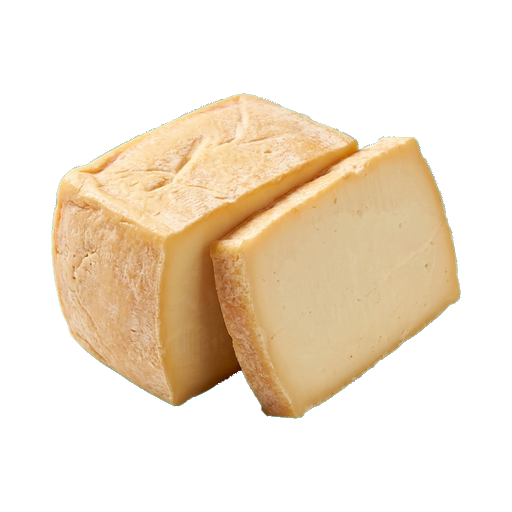
A semi-hard Swiss cheese with a tender, melting consistency and creamy flavor with subtle nutty notes. Made from cow's milk, it features a characteristic yellow or cream-colored rind, beneath which lies a soft interior that melts perfectly. Traditionally used in the dish of the same name, where thin slices of cheese are melted over an open flame and scraped onto bread, but it also works well in fondue, on sandwiches, and in hot dishes — when selecting, look for cheese with an even structure free from cracks and choose one without a sharp smell.
About
Raclette is a semi-hard cheese known for its ability to melt into an ideal creamy mass. Its main feature is that it doesn't spread into a puddle, but holds its shape while remaining tender and stretchy. That's why it's cut into slices and heated rather than added to dishes like regular cheese.
Aroma and Flavor
Raclette smells of dairy, slightly nutty and buttery. The taste is mild, not sharp, with a barely perceptible saltiness. When the cheese melts, its aroma becomes more intense, and nutty notes emerge. Young raclette is more tender and buttery; aged raclette has slightly more character and depth.
Role in dishes
Raclette is created for one main dish — raclette, where slices of cheese are melted over coals or a special lamp and the melted part is scraped onto a plate with potatoes and sausage. But this is not the only way to use it.
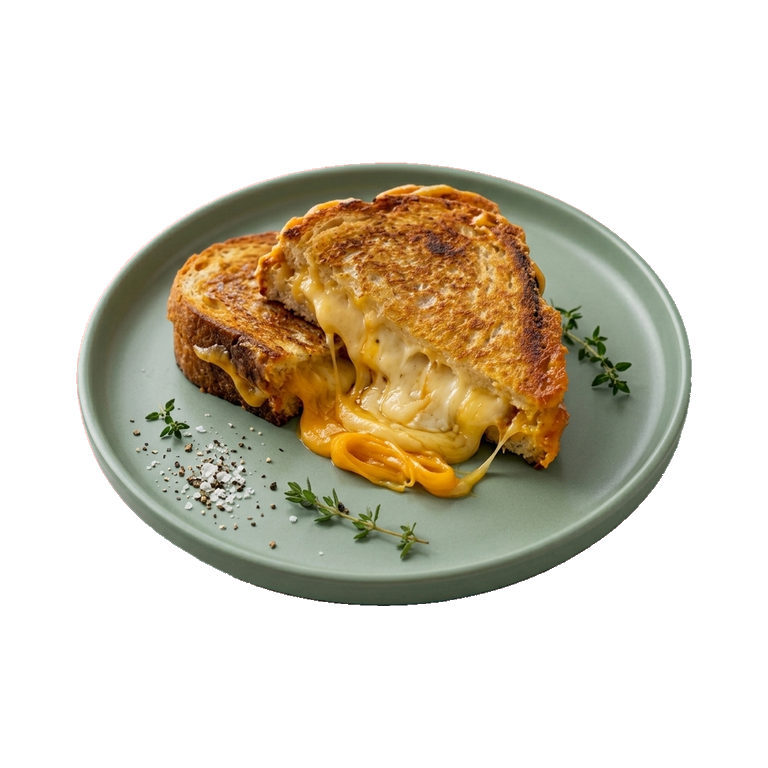
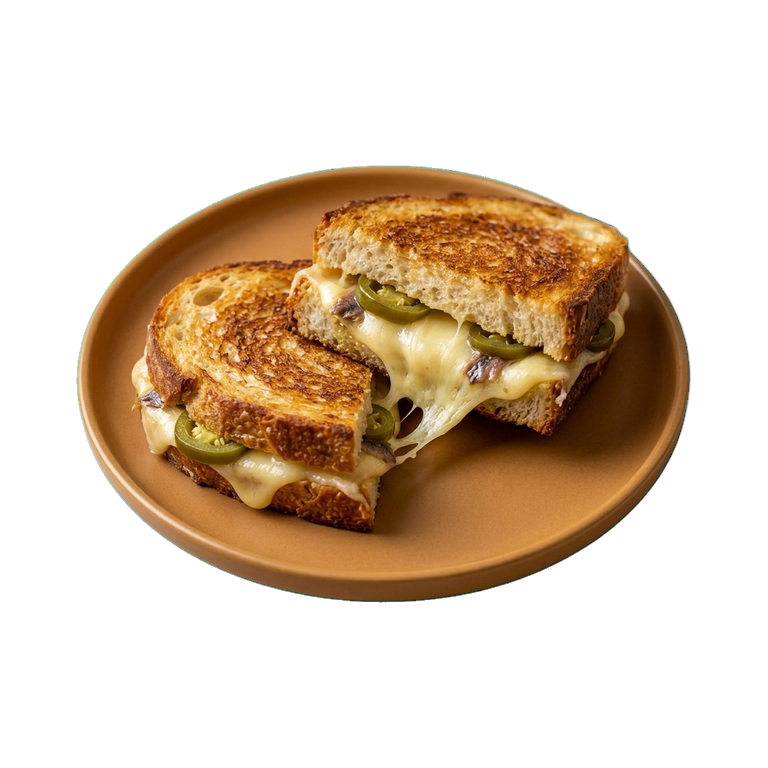
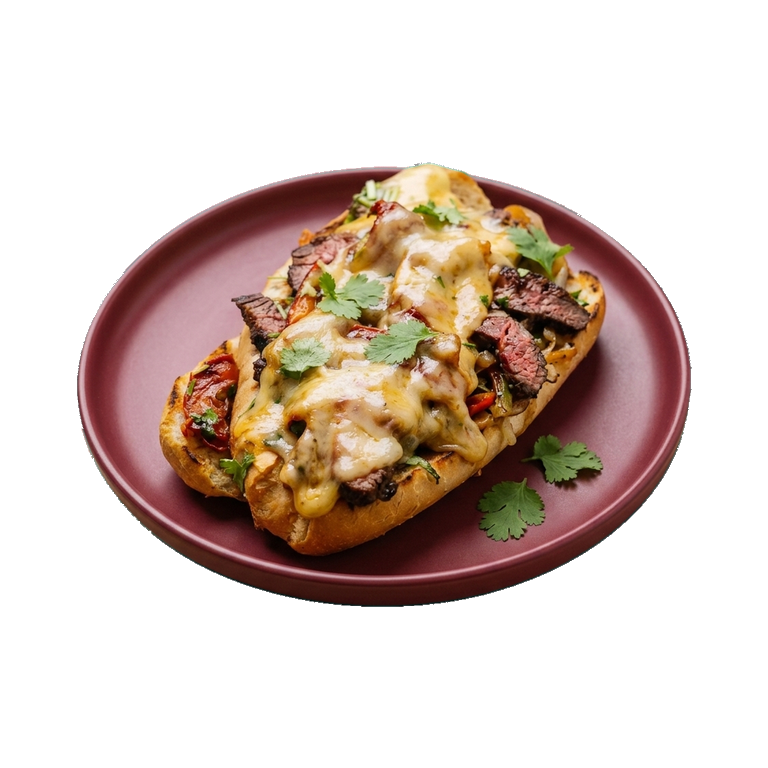
- Sandwiches and subs — melted raclette holds its shape and doesn't leak out of the bread
- Baked potatoes — a layer of raclette creates an appetizing crust
- Meat side dishes — especially with beef and sausages
- Pizza and focaccia — melts evenly, doesn't separate into layers
- Hot appetizers and fondue — a good alternative to traditional options
Pairings and Harmonies
Raclette pairs well with smoked and salted products: bacon, ham, and sausage. Potatoes are its classic partner, especially boiled or baked. Grilled vegetables, pickled cucumbers, and onions contrast nicely with its soft and creamy texture. On the table, raclette looks great alongside light white wines or pale beer.
Selection and Storage
When choosing raclette, pay attention to the integrity of the packaging — the cheese should not be dried out at the edges. The rind should be smooth, without mold or dark spots. If you can see the production date, choose a younger cheese — it will be more tender.
Store raclette in the refrigerator in its original packaging or wrapped in parchment paper. Keep it in the cheese compartment or on a shelf at a temperature of 4–8 degrees Celsius. A whole block lasts 2–3 weeks, sliced cheese lasts about a week. Before using, let the cheese sit at room temperature for about half an hour so it opens up its flavor and melts better.
Cooking tip
If you don't have a special raclette appliance, cut the cheese into slices 3–5 millimeters thick and place on a baking sheet. Put under a hot grill or in an oven at 200 degrees for 2–3 minutes until the top layer begins to bubble and lighten. Scrape the melted portion onto a plate with a knife or spatula. This is a simple way to experience the true taste of this cheese at home.
Nutrition
per 100 g
- Calories
- 349 kcal
- Protein
- 24.5 g
- Fat
- 27.5 g
- Carbs
- 0.5 g
Measures and weight
- 1 slice
- 20 g
Measure calculator
- Weight
- 100 g
- Calories
- 349 kcal