Usuba
Usuba
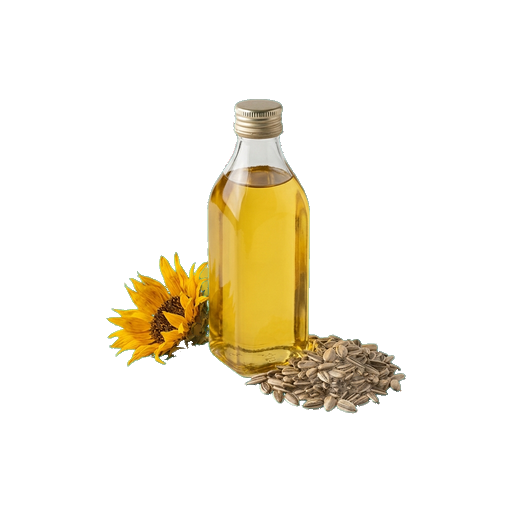
Refined oil
Refined oil is obtained by purifying vegetable oil from impurities, making it light, transparent, and virtually odorless. Thanks to its high smoke point, it is ideal for frying, deep frying, and other cooking methods at high temperatures. When choosing, it is important to pay attention to the type of oil — sunflower, peanut, or other — as this affects the taste of the dish, although refined oil itself remains neutral in flavor.
About
Refined oil is purified vegetable oil that has undergone several processing stages to remove impurities, sediments, and excess aromatic compounds. The result: a neutral product with a high smoke point that works in any kitchen situation. It's a workhorse of cooking, not a star, but everyday cooking is hard to imagine without it.
When and why to use it
Refined oil is essential for frying at high temperatures — it does not burn and does not release unpleasant odors. It is suitable for sautéing vegetables, searing meat, and deep frying. Its neutral taste does not overpower the main ingredients of the dish, so it can be used in baking, dough, and creams where a soft texture without strong aromatic notes is needed.
In cold dishes — salads, marinades, sauces — refined oil also works, but here it plays a supporting role. If you want to emphasize the flavor, it's better to choose unrefined or aromatic oil. Refined oil will simply bind the ingredients and provide the necessary consistency.
How to Select and Store
When purchasing, pay attention to the production date and expiration date — refined oil lasts longer than unrefined oil, but loses its properties over time. Choose oil in dark glass or opaque plastic containers: light accelerates oxidation. Check that there is no sediment at the bottom — this is a sign of poor purification quality.
Store refined oil in a cool, dark place, away from the stove and direct sunlight. A hermetically sealed bottle in a kitchen cabinet is an ideal option. With proper storage, oil retains its properties for a year or sometimes longer. If the oil becomes cloudy, changes color, or develops an unpleasant smell — a sign of oxidation — it's time to replace it.
Refined oil is not about taste, but about functionality. It is versatile, reliable, and does not require special conditions for use. Keep it on hand for frying, baking, and all cases when you need a neutral oil that won't compete with the main ingredients of your dish.
Nutrition
per 100 ml
- Calories
- 899 kcal
- Protein
- 0 g
- Fat
- 99.9 g
- Carbs
- 0 g
Measures and weight
- 1 tbsp
- 13.8 g
- 1 tsp
- 4.6 g
- 1 cup
- 230 g
Measure calculator
- Weight
- 100 g
- Calories
- 977 kcal