Usuba
Usuba
Round bun
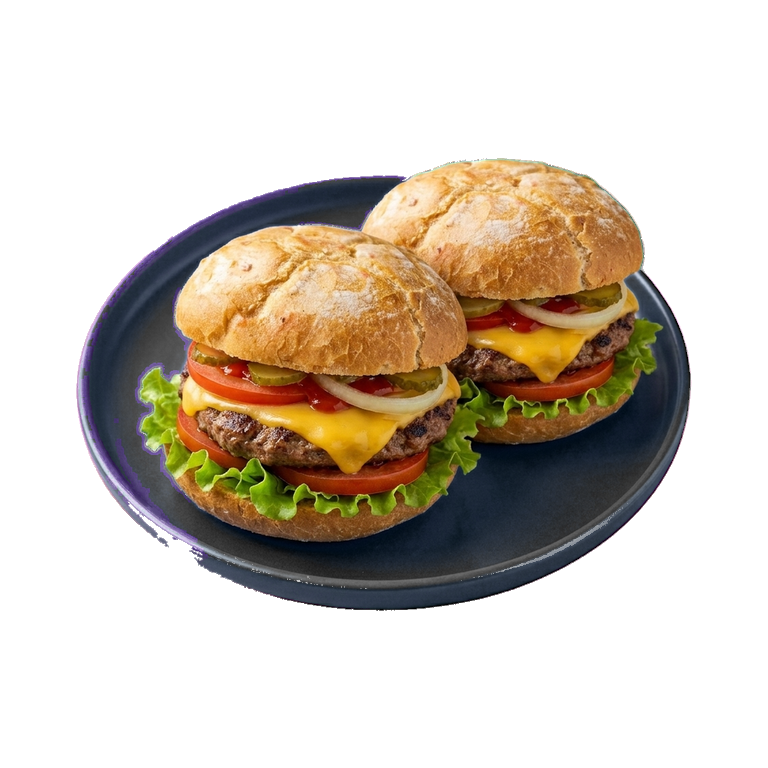
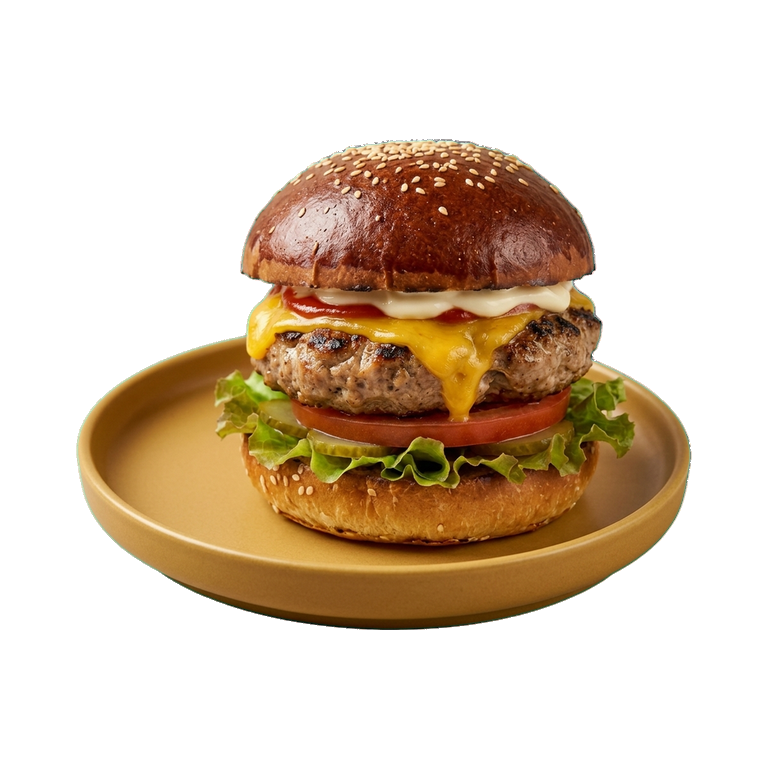
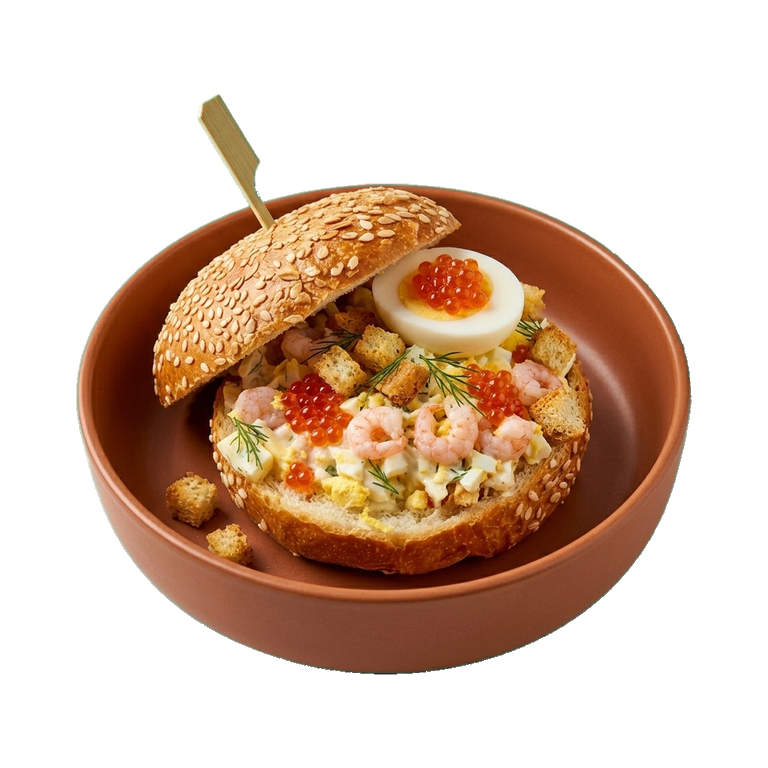
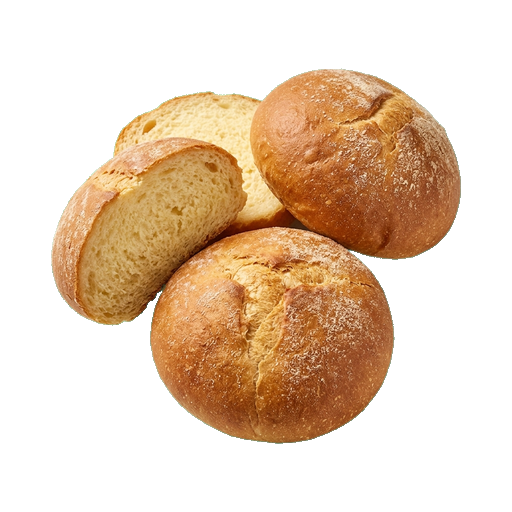
A soft bun with a rounded shape, made from yeast dough and often topped with sesame seeds or poppy seeds. Used as a base for sandwiches, hamburgers, or served alongside soups and broths. When selecting, pay attention to elasticity — the bun should easily return to its original shape after pressing, and the crust should be golden and not too hard.
About
A round bun is one of the most versatile bread products in the kitchen. Its shape and size make it an ideal base for sandwiches, a side dish for soups, and simply a convenient bread for breakfast. It's not just bread, but a ready-made format that saves time and allows you to quickly assemble a complete dish.
Structure and Texture
A good round bun has a soft, porous crumb and a thin crispy crust. This combination allows it to hold its shape when sliced, while remaining tender inside. Porosity is important — it absorbs sauces and fillings without falling apart, and creates a pleasant texture when bitten into.
Taste and Aroma
The taste of the round bun is well-balanced — not too sweet, not bland. It has a light bread aroma with a barely noticeable sweetness that provides a background note without dominating. This allows it to work well with both spicy and delicate fillings without overpowering their flavor.
How to use in the kitchen
- Sandwich base — sliced in half, perfect for classic sandwiches with meat, cheese, vegetables
- Soup garnish — whole bun or broken into pieces absorbs broth and becomes part of the dish
- Appetizer with butter and salt — fresh warm bun with butter — a standalone dish
- Base for pies — you can divide the dough and remake it, or use as is for stuffing
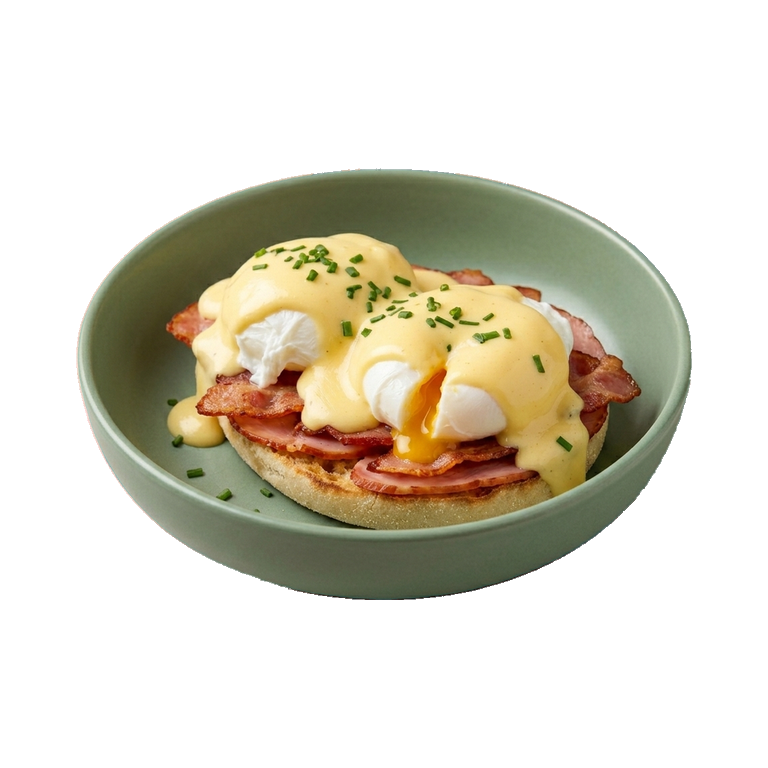
- Breakfast bread — with jam, honey or just with cheese
Pairings and recommendations
A round bun works well with classic fillings: sausage, ham, chicken, fish, and fresh vegetables. Its neutral flavor doesn't conflict with either spicy sauces or delicate pâtés. The bun absorbs moisture, so feel free to use it with wet fillings — it won't fall apart.
Selection and Storage
- When choosing, pay attention to the crust — it should be smooth, without cracks and dark burnt spots
- The bun should not be too dense to the touch — this is a sign of over-drying or improper storage
- Fresh buns are best used on the day of purchase, but they keep for 2–3 days in a paper bag at room temperature
- In the freezer, the bun maintains quality for up to a month — thaw at room temperature or reheat in the oven
- Avoid plastic wrap when storing — the bun sweats in it and quickly becomes moldy
A round bun is not just bread, but a convenient tool for quick preparation. Its versatility means that it will always find its place on the table, whether for breakfast, lunch, or a snack. A quality bun with good structure and neutral flavor makes any dish more complete.
Nutrition
per 100 g
- Calories
- 280 kcal
- Protein
- 8 g
- Fat
- 4 g
- Carbs
- 50 g
Measures and weight
- 1 pcs
- 60 g
Measure calculator
- Weight
- 100 g
- Calories
- 280 kcal