Usuba
Usuba
Pak choi salad
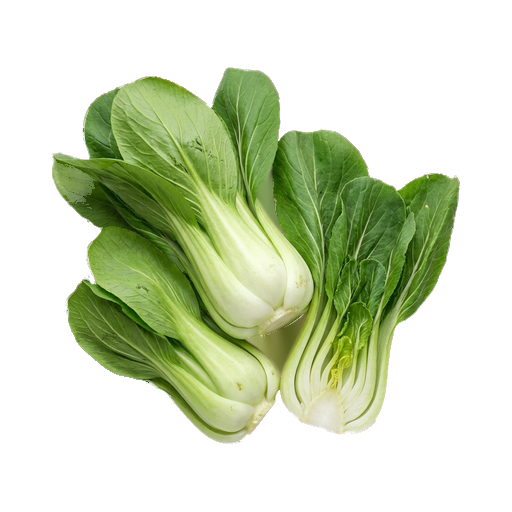
Bok choy is a Chinese cabbage with tender dark-green leaves and white crispy stalks that resemble celery in structure. The vegetable has a mild, slightly sweet flavor with a barely noticeable bitter note and absorbs the aromas of sauces and seasonings well. In cooking, bok choy is often used in Asian dishes — it can be stewed, boiled, added to soups, or served raw in salads. The leaves cook faster than the stalks, so it's best to add them separately or cut them into different-sized pieces for even cooking.
About
Bok choy is an Asian cabbage that has long ceased to be exotic in our kitchens. Its tender leaves and crispy petioles make it a versatile ingredient: equally good raw in salads, in quick stir-frying and even in soups. The main advantage is that it cooks literally in just a few minutes, requiring no lengthy stewing or boiling.
Taste and texture
Bok choy has a mild, slightly sweet taste with barely noticeable bitterness — not spicy or intrusive at all. The leaves are tender, almost melting in your mouth, while the stems remain firm and crispy even after heat treatment. This combination of textures makes it pleasant in any dish: it doesn't get lost among other ingredients, but it doesn't overpower them with its flavor either.
How to cook and combine
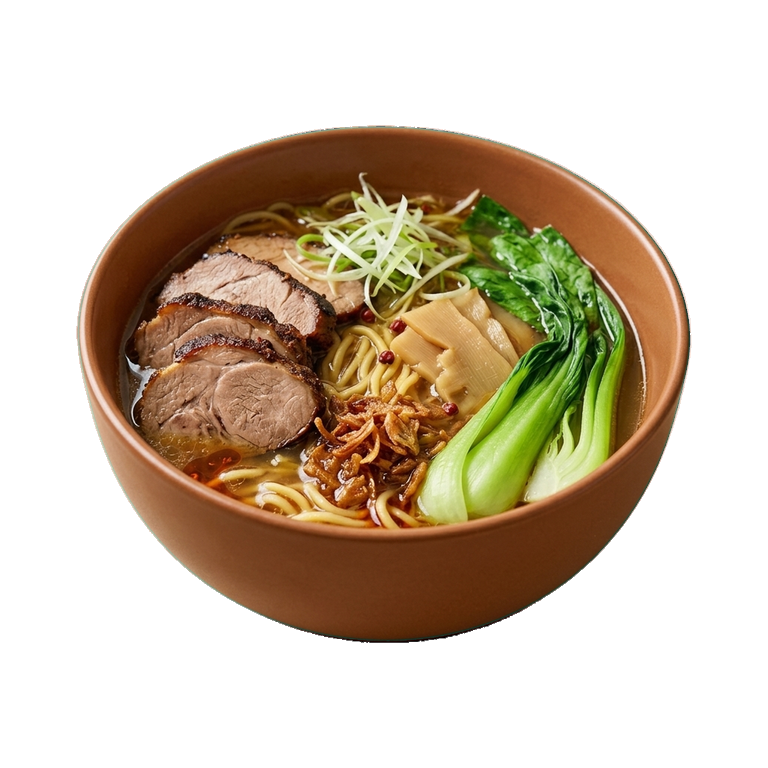
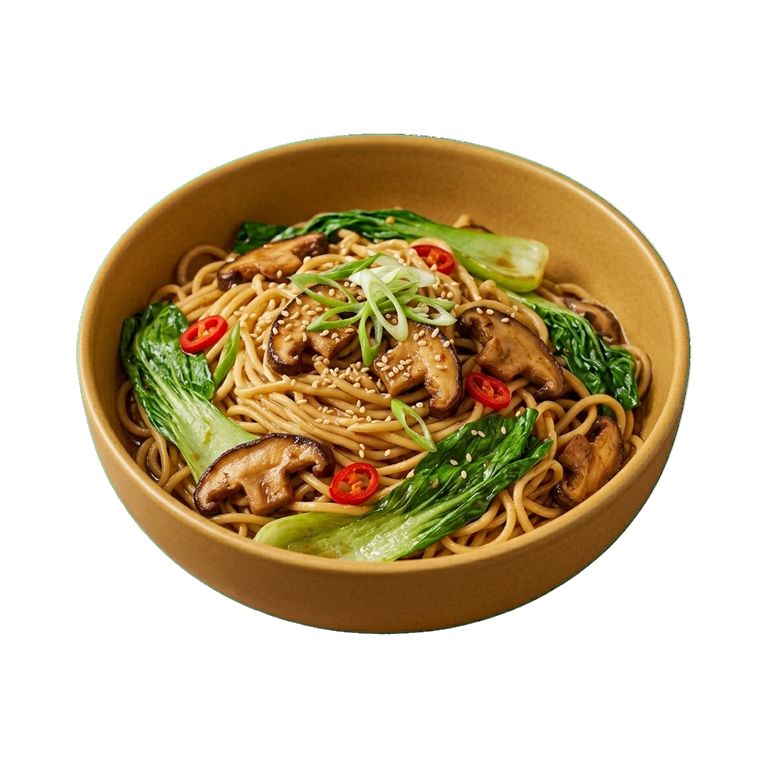
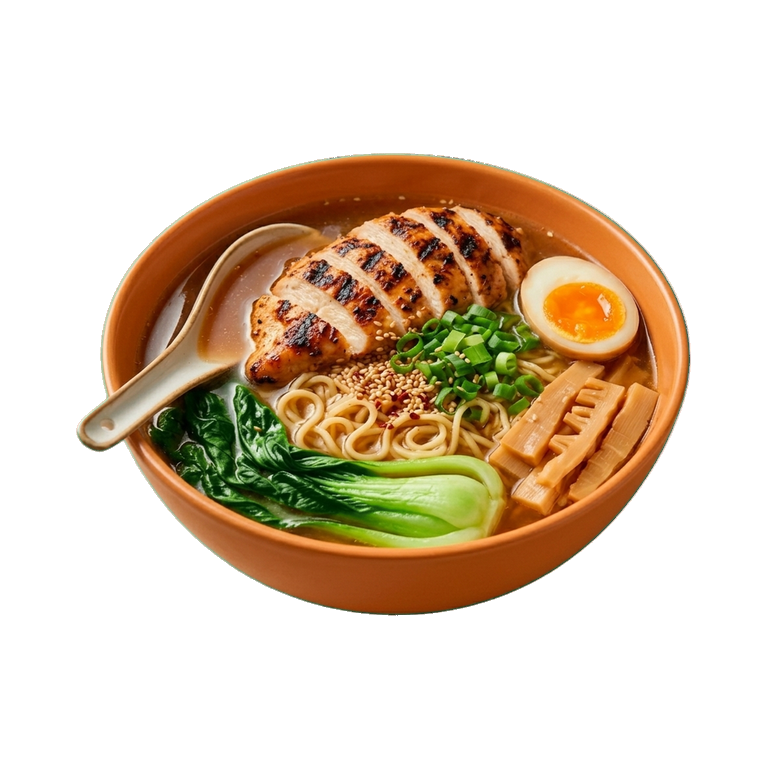
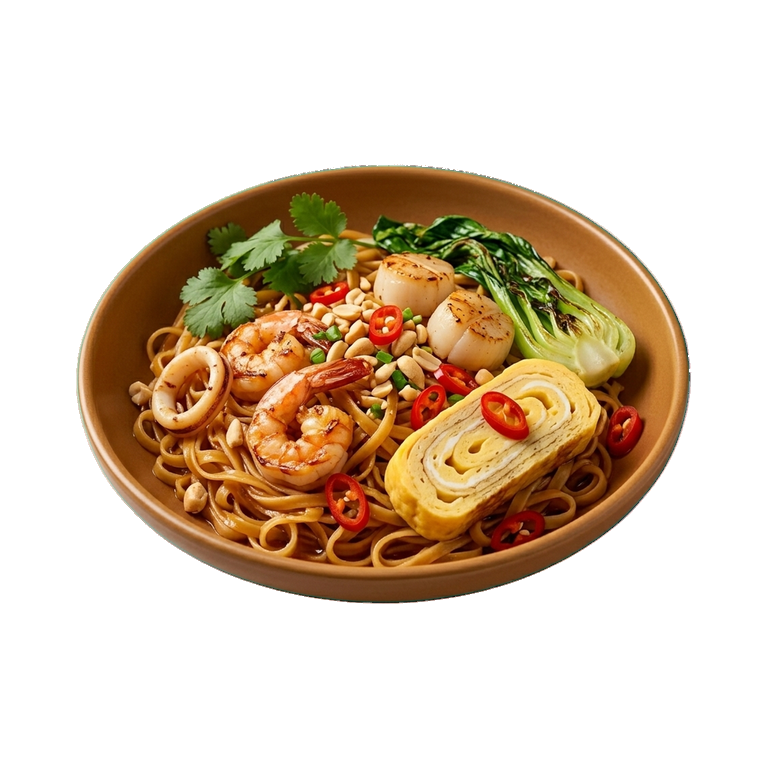
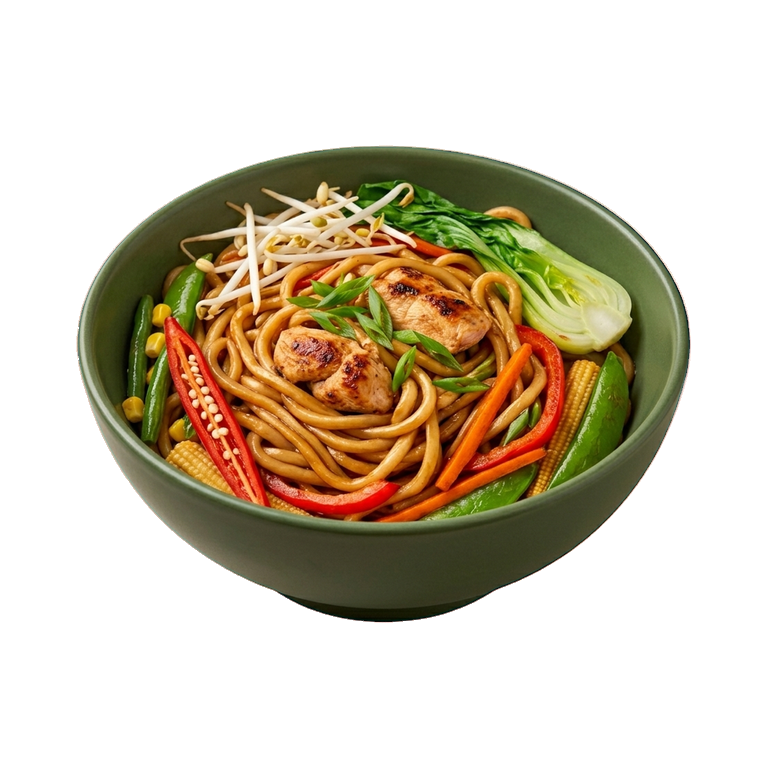
The quickest way is to stir-fry whole leaves or halves on a heated skillet with oil, garlic, and ginger. It cooks in literally 3–4 minutes. Bok choy works great in Asian noodle soups, in stir-fries with seafood and meat, in salads with sesame dressing. You can add it at the end of cooking to keep it crispy, or simmer it in broth if you prefer a softer texture.
- Soy sauce, sesame oil, rice vinegar — classic Asian trio
- Garlic, ginger, chili pepper — spicy and aromatic partners
- Seafood, chicken, beef — versatile with any protein
- Noodles, rice, buckwheat — complement grain side dishes well
Selection and Storage
Choose bok choy with tight, bright green leaves without spots or wilting. The stems should be white or light green, firm to the touch. Size doesn't matter — small heads cook faster, large ones can simply be cut in half. Store in the refrigerator in a plastic bag or container for a week or longer, the main thing is to prevent it from drying out.
Before cooking, rinse the bok choy under cold water, gently separating the leaves to wash out any sand. If the head is large, cut it lengthwise in half — this will help it cook faster and make it easier to eat. Don't be afraid to experiment: bok choy handles any cooking method well and rarely disappoints.
Nutrition
per 100 g
- Calories
- 13 kcal
- Protein
- 1.5 g
- Fat
- 0.2 g
- Carbs
- 2.2 g
Measures and weight
- 1 pcs
- 200 g
Measure calculator
- Weight
- 100 g
- Calories
- 13 kcal