Usuba
Usuba
Shortbread dough
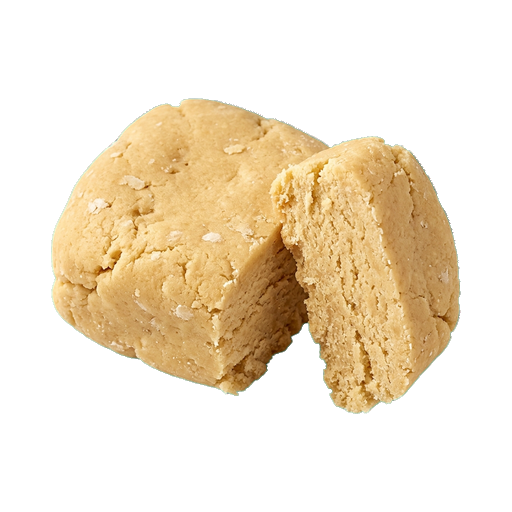
Shortbread dough is the foundation for cookies, pies, and tarts, delivering a crumbly and fragile texture thanks to its high butter content and low liquid content. It is made from flour, butter, eggs, and sugar, carefully mixing the ingredients so that the butter is distributed evenly and creates the desired structure. When working with the dough, it is important not to overwork it and keep the components cold — this ensures the tenderness and crumbliness of the finished product.
About
Shortbread dough is the foundation for cookies, tarts, and pies, valued for its brittleness and crumbly texture. Its structure depends on the correct balance of fat and flour, so even small deviations in technique can change the result. This dough requires minimal manipulation and maximum attention to detail.
Texture and Consistency
The main property of shortbread dough is its crumbly texture. This is achieved due to the high butter content, which coats the flour particles and prevents gluten formation. During baking, the butter melts, leaving voids that give the dough its characteristic brittle structure. The finished product literally melts in your mouth and breaks easily.
Shortbread dough has a delicate and buttery flavor with a subtle sweetness. It serves as a neutral base that doesn't compete with fillings or creams. Because of this, shortbread dough is versatile — it works equally well with berries, chocolate, condensed milk, or simply with powdered sugar.
Where it is used
- Cookies — from simple butter cookies to decorated shaped cookies
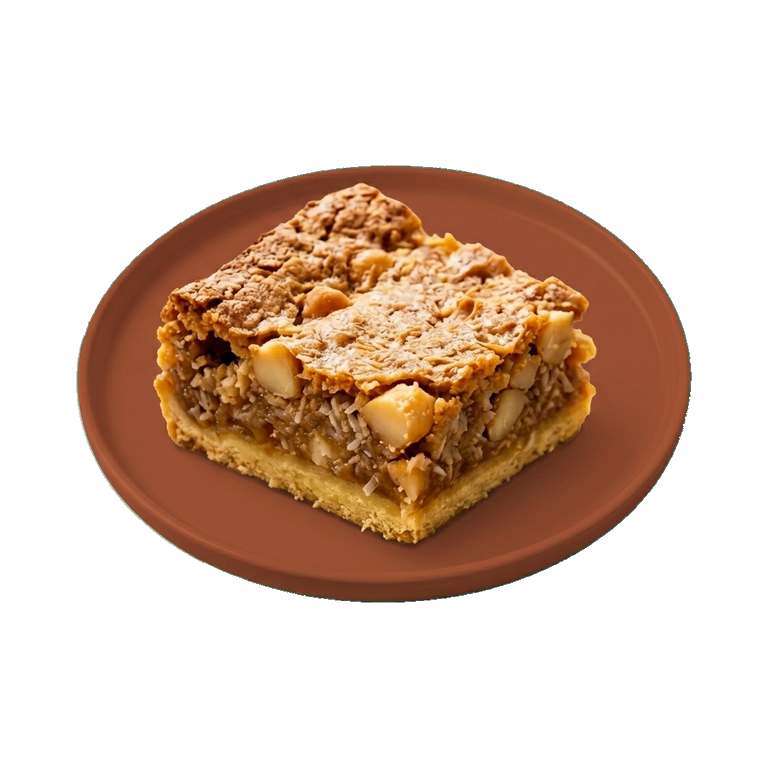
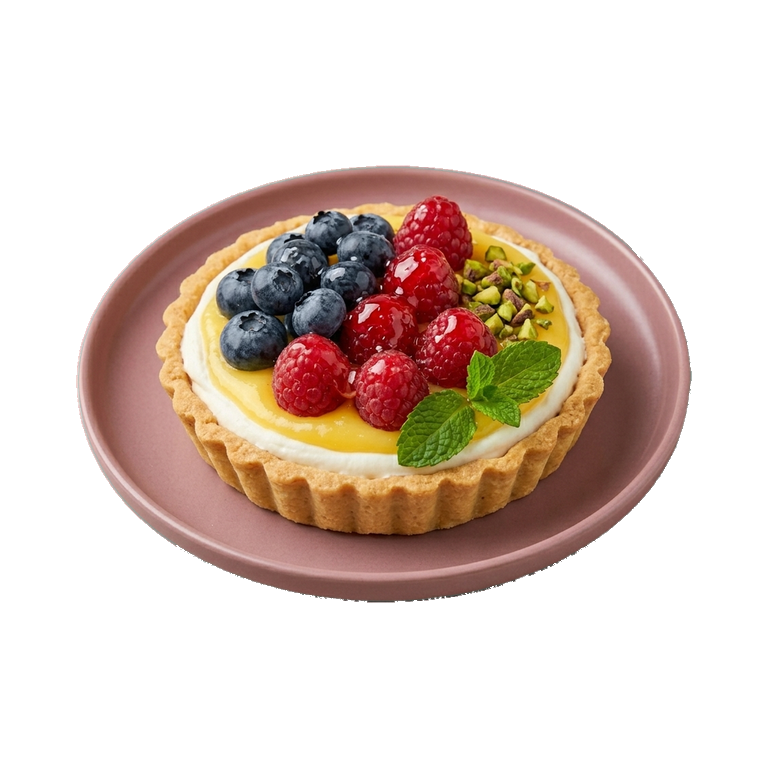
- Tarts and pies — base for fruit and berry desserts
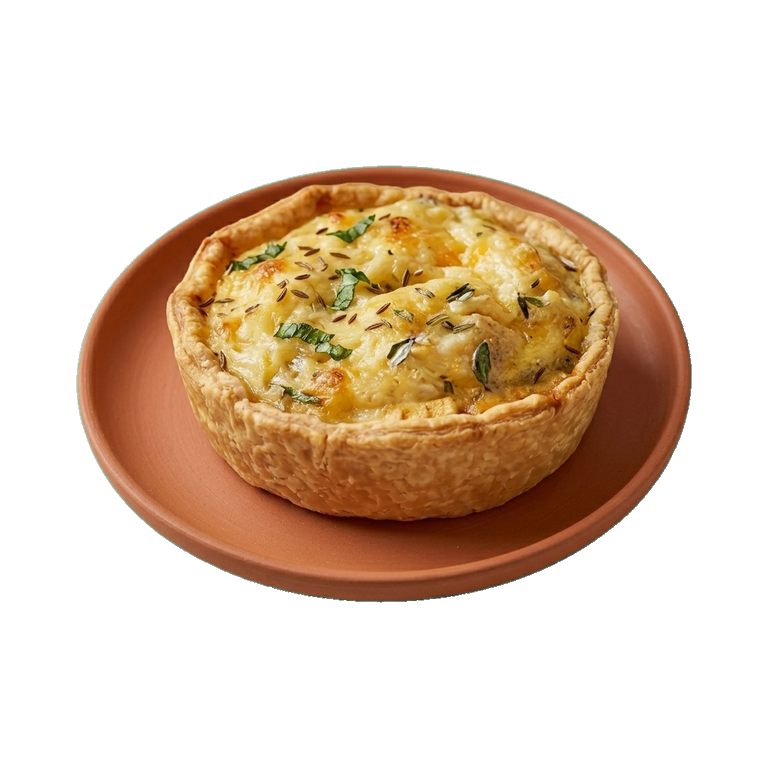
- Tartlets and vol-au-vents — molds for creams and mousses
- Petit fours — layers in multi-tiered desserts
Key points to remember
Temperature is both the main enemy and helper at the same time. The butter should be cold so that the dough remains crumbly. If it softens during mixing, the dough will become sticky and tacky. Therefore, all ingredients are chilled in advance, and work is done quickly. After shaping, the dough is placed in the refrigerator for at least an hour before baking.
Mixing should be minimal. It is enough to combine flour with cold butter until it resembles coarse breadcrumbs, then add egg and salt. Overworking the dough activates gluten, and instead of crumbly texture, you will get a tough and elastic product. It is better to undermix than to overmix.
Storage and preparation
- In the refrigerator — up to 3 days in an airtight container
- In the freezer — up to 2 months as a disk or in prepared molds
- Thaw in the refrigerator, not at room temperature
You can buy ready-made shortbread dough at the store, but homemade is always tastier. Store-bought versions often contain stabilizers and preservatives that affect the taste and texture. If you make it yourself, you can control the quality of the butter and flour, and therefore the result.
Shortbread dough is not complicated, but it requires respect for the process. Cold ingredients, quick work, and patience during chilling guarantee a crispy, melt-in-your-mouth cookie or base for your favorite dessert. Once you master the technique, you'll make it on autopilot.
Nutrition
per 100 g
- Calories
- 400 kcal
- Protein
- 6 g
- Fat
- 20 g
- Carbs
- 50 g
Measure calculator
- Weight
- 100 g
- Calories
- 400 kcal